
RCA Victor Records
Few record labels loom as large over the history of recorded sound in Canada as RCA Victor. For much of the twentieth century, the label sat at the intersection of invention, mass manufacturing, broadcasting, and popular culture, shaping not only how music was recorded and distributed, but how it was heard in Canadian homes from coast to coast. While RCA Victor functioned as a global enterprise, its Canadian operations formed one of the country’s most important and enduring recording infrastructures, playing a decisive role in the development of a domestic music industry long before the advent of Canadian content regulations.
The origins of RCA Victor trace back not to a media conglomerate, but to a single immigrant inventor working at the very dawn of recorded sound—an origin story that is, fittingly, inseparable from Canada itself.
Emile Berliner and the Birth of the Disc
The foundational figure behind RCA Victor’s lineage was Emile Berliner, a German-born inventor who immigrated to the United States in 1870. Berliner’s early work included the invention of the microphone, which he sold to Alexander Graham Bell, but his most transformative contribution was the development of the flat disc recording system. At a time when Thomas Edison’s wax cylinders dominated the fledgling sound-recording industry, Berliner envisioned a lateral-cut disc that could be mass-produced with far greater consistency.
Berliner named his invention the gramophone, distinguishing it from Edison’s phonograph. The disc format would ultimately prove decisive: it was easier to manufacture, easier to store, and far better suited to industrial replication.
To make the system commercially viable, Berliner partnered with Eldridge R. Johnson, a mechanically gifted sewing-machine repairman in Camden, New Jersey. Johnson designed a spring-driven motor capable of maintaining consistent turntable speed, solving one of the central technical challenges of disc playback. This collaboration laid the mechanical foundation of the modern record player.
A Global Empire—and a Canadian Foundation
By the late 1890s, Berliner’s ideas were spreading internationally. In 1898, he and his brother Joseph founded Deutsche Grammophon in Germany, which would become the world’s most important classical music label. That same year, Berliner helped establish The Gramophone Company in Britain, which later evolved into EMI.
Ironically, Berliner’s American business collapsed under the weight of patent disputes and hostile litigation. After losing key court battles, he was barred from continuing manufacturing operations in the United States, though he retained royalty rights for life. Disillusioned, Berliner relocated to Canada, establishing the Berliner Gram-o-phone Company in Montreal.
While Emile himself did not remain in Canada long-term, his influence there proved lasting. His son, Herbert Berliner, remained in Montreal and later founded Compo Company Limited, Canada’s first major domestically owned record manufacturer. Through Compo, Berliner’s technological legacy became foundational to the Canadian recording industry itself, helping establish Canada as a serious manufacturing and recording centre decades before national cultural policy existed.
Victor Talking Machine and “His Master’s Voice”
Meanwhile, Eldridge Johnson consolidated control of Berliner’s disc patents and trademarks, including the now-iconic image of Nipper, the white terrier listening to His Master’s Voice. Johnson reorganized his operations as the Victor Talking Machine Company, refining disc materials and improving recording and playback quality.
Victor quickly became the dominant American record company of the early twentieth century, benefiting from its tight integration of hardware (phonographs), software (records), and branding—an approach decades ahead of its time. That same integrated model would later be replicated, at scale, in Canada.
RCA Enters the Picture
The modern RCA Victor emerged in 1929, when the Radio Corporation of America acquired the Victor Talking Machine Company. RCA, already a powerhouse in radio manufacturing and broadcasting, saw records as a natural extension of its vertically integrated media empire.
The merger brought together sound recording, radio transmission, consumer electronics, and mass manufacturing under one corporate roof. Significantly, 1929 was also the year of Emile Berliner’s death—marking the symbolic close of the inventor era and the full arrival of corporate-scale recorded music.
RCA Victor Canada and the Rise of a Domestic Industry
In Canada, RCA Victor evolved into far more than a sales subsidiary. RCA Victor Canada operated as a fully integrated national label, with recording studios, pressing plants, distribution networks, and promotional infrastructure capable of supporting Canadian artists at industrial scale.
A cornerstone of this operation was RCA’s major pressing plant in Smiths Falls, Ontario, which became one of the most important record-manufacturing facilities in the country. Records recorded in Canada—particularly at RCA’s Toronto studios on Mutual Street—were routinely shipped overnight by rail to Smiths Falls for pressing. Lacquers were carefully packed face-to-face and transported via CN Express, allowing newly recorded material to be pressed within hours.
During peak years in the 1950s and early 1960s, the Smiths Falls plant ran continuously, especially during major releases. Working conditions could be punishing: steam-driven presses generated extreme heat, and summer shifts were notorious for exhaustion and fainting spells—an often-overlooked human cost behind Canada’s mass-produced recorded music.
Format Wars and Manufacturing Muscle
RCA Victor’s dominance was fueled by technological rivalry. When Columbia Records introduced the long-playing vinyl LP in 1948, RCA initially resisted the format. The company’s response was decisive: in 1949, RCA introduced the 45 rpm vinyl single, a durable, compact format that reshaped popular music consumption, radio programming, and jukebox culture.
Canada adopted these formats rapidly, and RCA Victor Canada became one of the country’s most prolific producers of 45s, issuing thousands of domestic and international titles bearing the familiar Made in Canada by RCA Victor Company Ltd., Montreal imprint.
Canadian Artists and Cultural Impact
For much of the twentieth century, RCA Victor Canada stood at the centre of Canadian popular music. Long before CanCon regulations, the label recorded, pressed, and distributed Canadian artists nationally and internationally, helping to sustain professional careers across genres.
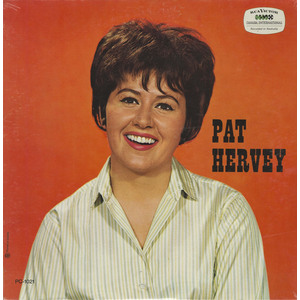
Canadian artists released on RCA Victor include Hank Snow, The Guess Who, Gordon Lightfoot, Anne Murray, Ronnie Hawkins, Ian & Sylvia, Doug Crosley, Jack Cornell, Pat Hervey, Buffy Sainte-Marie, David Clayton-Thomas, and countless regional, francophone, Indigenous, and studio-based artists, many of whom recorded in Toronto and were pressed in Smiths Falls for distribution across Canada and abroad.
RCA Victor Canada’s catalogue documents the transition of Canadian music from regional performance culture to national and international circulation, providing the industrial backbone that allowed Canadian voices to be heard well beyond their local scenes.
Legacy
RCA Victor’s Canadian story is ultimately one of convergence: invention giving way to industry, artistry meeting mass production, and Canadian identity intersecting with global technology. From Emile Berliner’s Montreal operations to the thunderous presses of Smiths Falls, RCA Victor helped define how recorded music entered daily life in Canada.
Long before Canada formally recognized its own cultural industries, RCA Victor Canada was already building one—groove by groove, record by record.
-Robert Williston
So far, 165 bands/artists are found here:
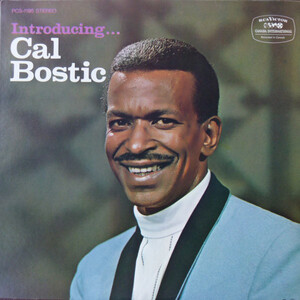
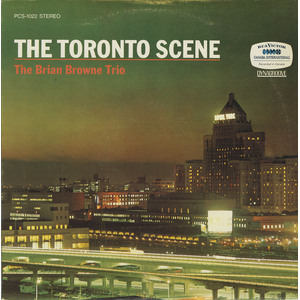
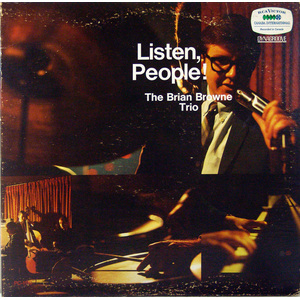
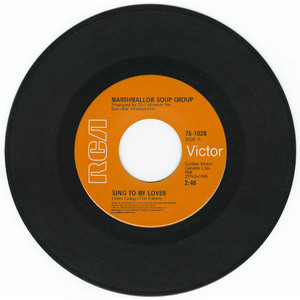
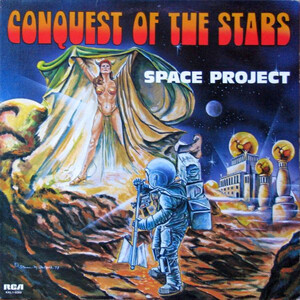
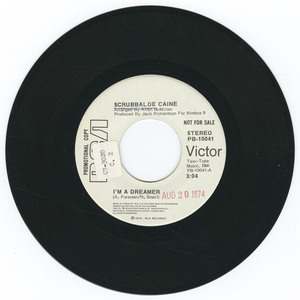
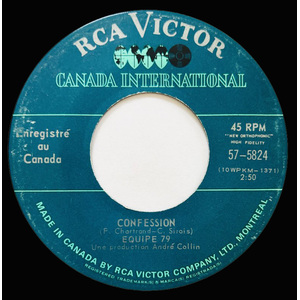
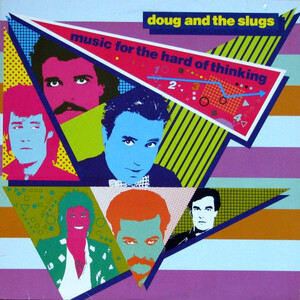
Les 3 Bars — *Los Tres Compadres* — Les Trois Ménestrels — 3's A Crowd — Les 409 — 49th Parallel — Les 4 Français — Les 5 Clay — 6 Cylinder — Lucio Agostini — Airlift — Al Baculis Singers — Alberta Slim And His Bar-X Ranch Boys — Émilien Allard — Norman Amadio — Tommy Ambrose — Tommy Ambrose with Doug Riley — Bill Amesbury — *David Amram* — Lee Roy Anderson — Paul Anka — Herman Apple et Son Orchestra — Peter Appleyard — John Arpin — Arthur — Les Autres — Les Avalons — Band of the Black Watch — Bandit — Cantin-Bégin — Doug Bennett — Raymond Berthiaume et Les 3 Bars — Bix Belair — Black & Ward — Black Light Orchestra — Big Town Boys — Alma Faye Brooks — Blushing Brides — Brian Browne — Brian Browne Trio — Johnny Burt — John Burt and His International Strings — Les Cabestans — Cal Bostic — Le Cardan — Cal Dodd — Carlton Showband — Cat — Céline et Liette — Central Avenue Breakdown — Petits Chanteurs de Granby — Petits Chanteurs du Mont-Royal — Chanteurs De Raymond Berthiaume — Checkerlads — Le Choer Bellini — The St. John's Extension Choir Of Memorial University Of Newfoundland — Connexion — Jack Cornell — Courriers — Doug Crosley — The Crew-Cuts — The Cry — C-Weed Band — Doctor Bundolo — Les Double-Pairs — Doug and the Slugs — Dr. Music — Ducats — Omer Dumas — L'Écho Des Îles — Équipe 79 — E. Frederick Davies — Les Excentriques — Exponians — Family Brown — For Keeps — Fusion — Gibson Brothers — Gentle Touch — Ginette Ravel — Good Brothers — Good Grief — Grampa Band — Grey Cup Day — Hachey Brothers — Happy Gang — The Heart — Pat Hervey — Jeff Hewitson and The Fugitives — Hot Stovers — Immortals — Inn-Keepers — Ivar Avenue Reunion — J.B. and the Playboys — Jack and the Beanstalk — Jaybees — Jenson Interceptor — Jerolas — Mart Kenney and his Orchestra — King Bees — Kingfishers — La Révolution Française — Lady and The Gentleman — Last Words — Leahy Family — Lighthouse — Little Daddie and the Bachelors — Lloyd and the Village Squires — Jack London and the Sparrows — Major Hoople's Boarding House — Marshmallow Soup Group — Rob McConnell and the Boss Brass — Metal Weeds — Midnite Rodeo Band — Mind Garage — Mingles — Minglewood Band — Mongrels — Montreal Elgar Choir — Morrow Men — Morse Code Transmission — M.R.Q. — National Arts Centre Orchestra — New Generation — New Regime — Phil Nimmons Group — Jimmy Nite and The Nite Train Revue — Noah — Noblemen — Pacers — Parachute Club — Parallele — Peter and The Pipers — Pretty Rough — Proof — Quatuor Alouette — Rabble — Raftsmen — RCA Victor Band — Révoltés — Rockers — Secrets — Sharks — Shockers — Reg Smith and the Melody Four — Hank Snow and His Rainbow Ranch Boys — Famille Soucy et Isidore Ensemble — Scotty Stevenson and the Canadian Nighthawks — Scotty Stevenson With The Edmonton Eskimos — Southern Exposure — Ted Daigle — T.H.P. Orchestra — T.H.P. Orchestra featuring Wayne St. John — Tranquility Base — Marcel Tremblay — Rod Tremblay — Rod Tremblay et Georges — Los Tres Compaderes — June Wallack — Westend 22 — Tony White — White Wolf — Moxie Whitney and Hid Big Band — Winnipeg Mennonite Choir — Nanette Workman
Tracks

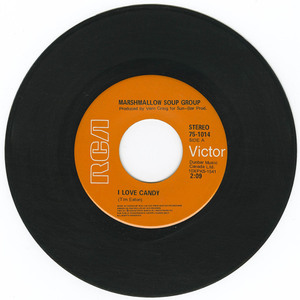
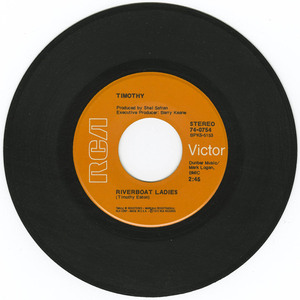
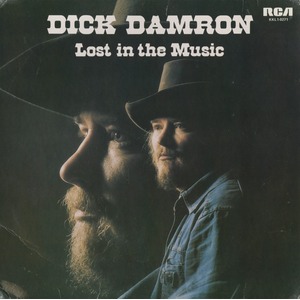
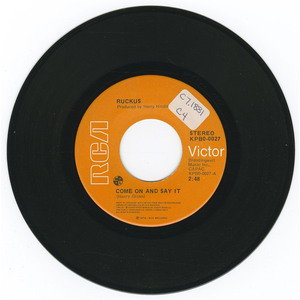
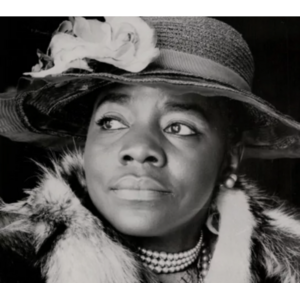
Salome Bey

Salome Bey
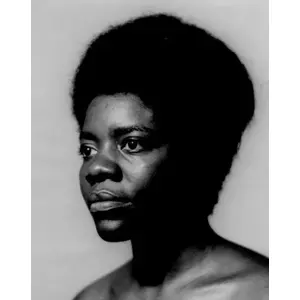
Salome Bey
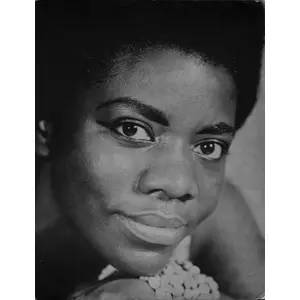
Salome Bey
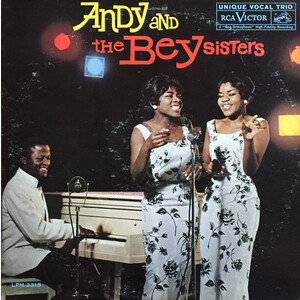
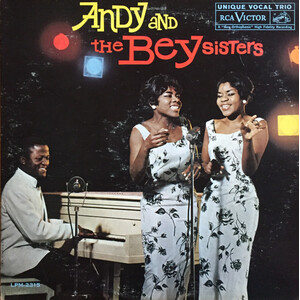
Andy and the Bey Sisters
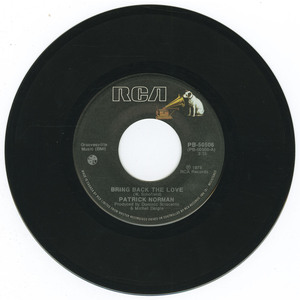
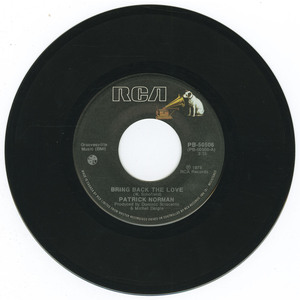
Bring Back the Love b/w Paradise
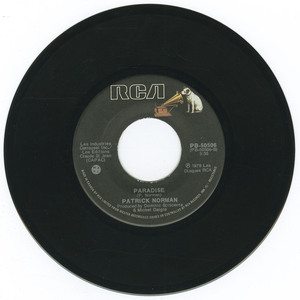
45-Patrick Norman - Bring Back the Love VINYL 02
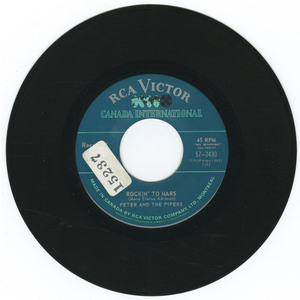
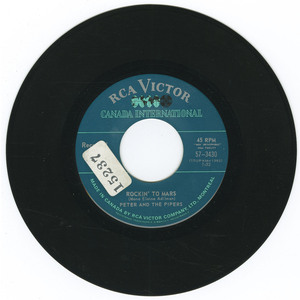
Rockin' to Mars b/w Girl On The Hit-Parade
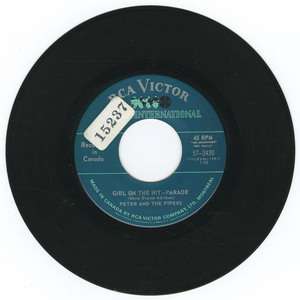
45-Peter And The Pipers - Rockin' to Mars VINYL 02
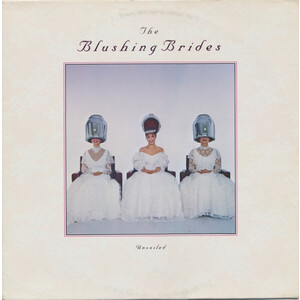
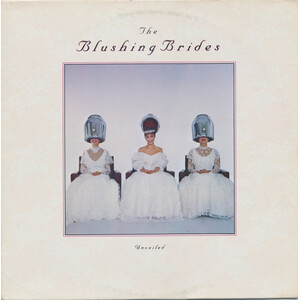
Unveiled
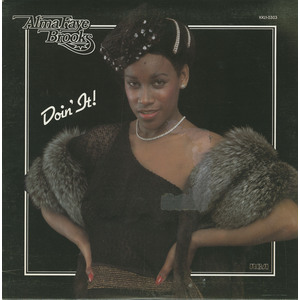
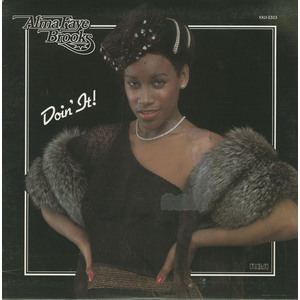
Doin' It
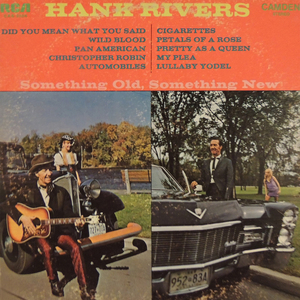
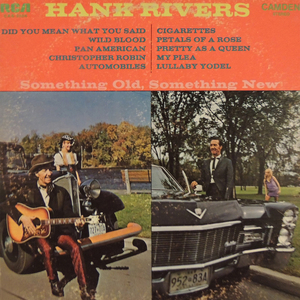
Something Old, Something New
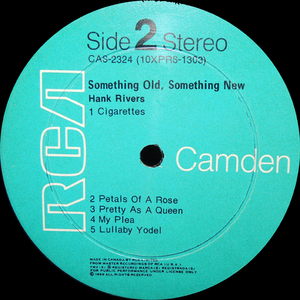
Hank LaRiviere (Hank Rivers) - Something Old, Something New Side 2
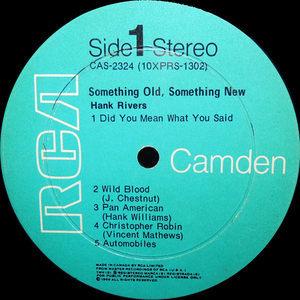
Hank LaRiviere (Hank Rivers) - Something Old, Something New Side 1
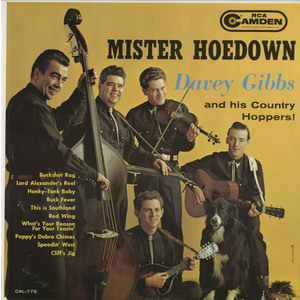
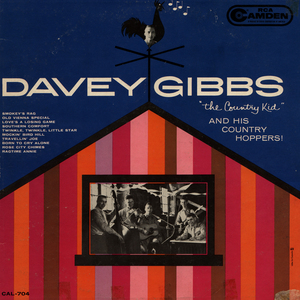
Davey Gibbs and his Country Hoppers
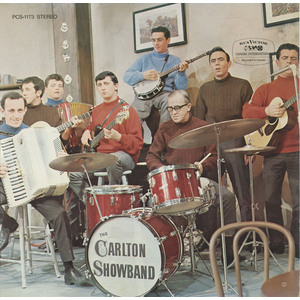
ST
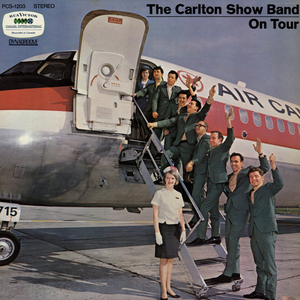
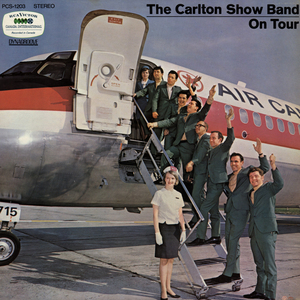
the Carlton Showband On Tour
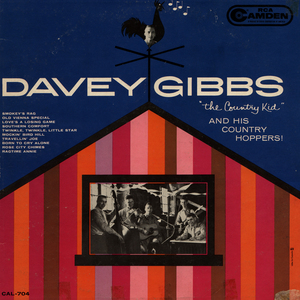
ST
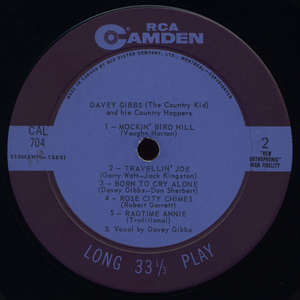
Davey Gibbs and his Country Hoppers - ST Side 2
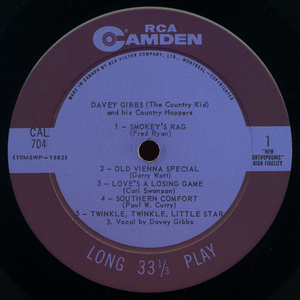
Davey Gibbs and his Country Hoppers - ST Side 1
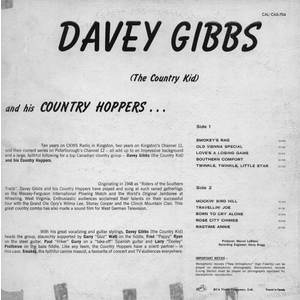
Davey Gibbs and his Country Hoppers - ST Back cover
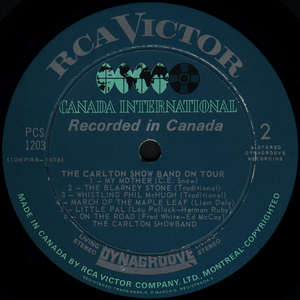
Carlton Showband - the Carlton Showband On Tour Side 2
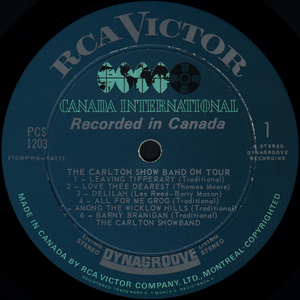
Carlton Showband -- the Carlton Showband On Tour Side 1
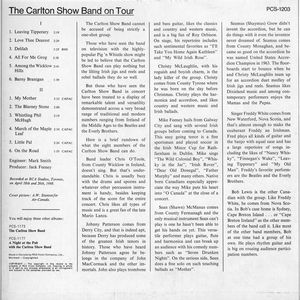
Carlton Showband - the Carlton Showband On Tour Back cover
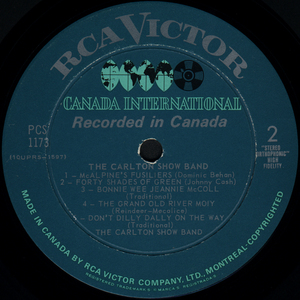
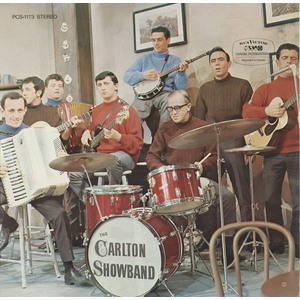
Carlton Showband - ST Side 2
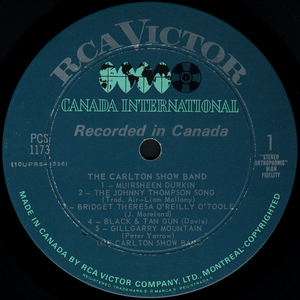
Carlton Showband - ST Side 1
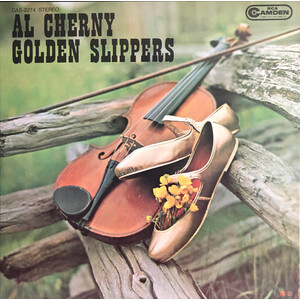
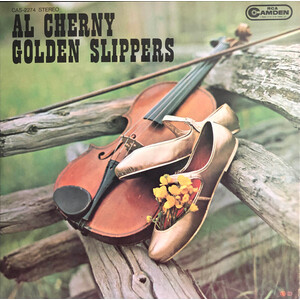
Golden Slippers
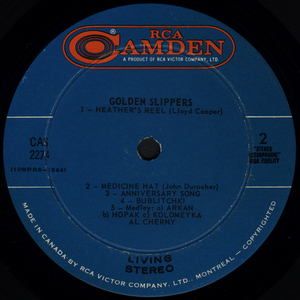
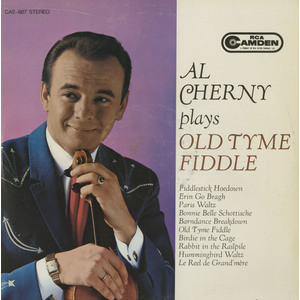
Al Cherney (Alexander Peter Chernywech) / Golden Slippers LABEL 02
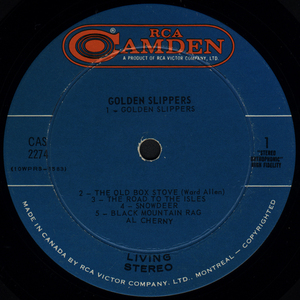
Al Cherney (Alexander Peter Chernywech) / Golden Slippers LABEL 01
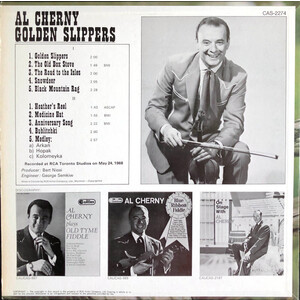
Al Cherny – Golden Slippers BACK
No Comments