Artist / Band
Dick Damron
Biography
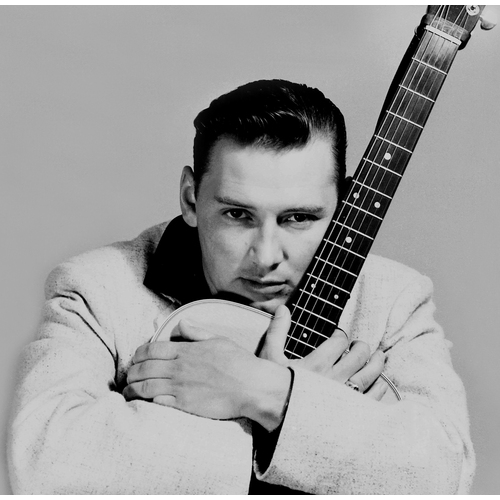
Dick Damron (Joseph Glenn Damron; March 22, 1934 – March 29, 2025) was one of the most enduring and influential figures in Canadian country music—a prolific singer-songwriter whose career spanned more than six decades and bridged early rockabilly, traditional honky-tonk, outlaw country, contemporary country, and gospel. Raised near Red Deer, Alberta, Damron emerged from the province’s dance-hall and radio circuit in the 1950s, developing a working-musician’s approach that emphasized storytelling, direct emotional delivery, and songs built for real audiences rather than industry trends.
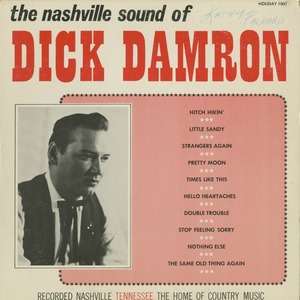
Damron began performing and broadcasting locally in his teens, working in both country and rock settings, including the Musical Round-Up Gang on CKRD radio in Red Deer and the Nightriders. He started recording in the late 1950s, releasing early singles that established him as a capable vocalist and, more importantly, a serious songwriter. His first national chart presence came in the early 1960s, followed by a major breakthrough with “Hitch Hikin’,” which became a Canadian country hit in 1964 and helped position him as part of the first generation of homegrown Canadian country artists to achieve sustained national recognition.
In the late 1960s, Damron operated his own Holiday label and released material that reflected both his historical interests and his expanding songwriting ambitions. His 1967 album Canadiana Folk Collection was devoted to original songs based on Canadian history and figures, underscoring his interest in writing distinctly Canadian narratives at a time when most domestic country artists focused on American-styled themes.
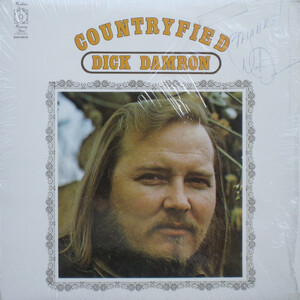
Damron’s defining breakthrough came in 1970 with the song “Countryfied,” recorded for Apex. The song became one of his signature compositions and achieved international reach when American singer George Hamilton IV recorded his own version. Hamilton later used “Countryfied” as the theme song for his syndicated television series, giving Damron rare cross-border exposure as a Canadian songwriter and cementing the song’s place as one of the most widely recognized Canadian-written country titles of the era.
Throughout the 1970s, Damron recorded for a succession of major and independent labels including MCA, Columbia, Marathon, Condor, and later RCA. During this period he scored a steady stream of Canadian hits, including “Rise ’n’ Shine,” “The Long Green Line,” “Bitter Sweet Songs,” “Mother, Love and Country,” “On the Road,” “Susan Flowers,” and others. These recordings established him as a consistent chart presence and a dependable radio artist, while his live reputation grew just as steadily through relentless touring across Canada, the United States, and Europe.
By the late 1970s, Damron had developed a recognizable persona rooted in the emerging “outlaw” country aesthetic—less polished than Nashville mainstream, more grounded in barroom realism and working-class storytelling. His RCA period beginning in 1978 produced some of his best-known recordings, including “Whiskey Jack,” “My Good Woman (That Ain’t Right),” “Silver and Shine,” and the album Lost in the Music. These releases paired contemporary production with Damron’s core strength as a songwriter whose material felt lived-in and authentic.
As a songwriter, Damron’s reach extended far beyond his own recordings. His compositions were recorded by a wide range of Canadian and international artists, including George Hamilton IV, Hank Smith, Orval Prophet, Gary Buck, Carroll Baker, Terry Carisse, and others. Hank Smith’s No. 1 Canadian country hit “Everybody’s Going to the Country” was written by Damron, as was Orval Prophet’s “Eastbound Highway.” His gospel song “Jesus, It’s Me Again” was later recorded by Charley Pride, further demonstrating the breadth of his catalogue and its appeal across stylistic and geographic boundaries.
Damron appeared at the Grand Ole Opry in Nashville in 1972 and became a regular touring presence in Europe from the mid-1970s onward, including appearances at major UK festivals such as the Wembley International Country Music Festival, as well as extensive touring in Germany and the Netherlands. In Canada, he was a frequent guest on CBC and CTV country and variety programs and a familiar figure at major events such as the Calgary Stampede and regional country festivals. He also presented his own Dick Damron Country Music Festival in Bentley in the late 1970s and was involved in Alberta-based country festival development in the early 1980s.
Over the course of his career, Damron wrote hundreds of songs and released dozens of albums across vinyl, cassette, and compact disc formats, including several instrumental projects. His longevity, consistency, and songwriter-first identity earned him numerous industry honours, including multiple Big Country and Canadian Country Music Association awards, BMI songwriter recognition, and induction into the Canadian Country Music Hall of Fame in 1994.
Beyond music, Damron documented his life and career in the autobiography The Legend & The Legacy and later expanded into fiction with the novels Rock A Bye Baby Blues and Pacific Coast Radio, reinforcing his identity as a storyteller across multiple formats.
Rooted in Alberta yet internationally active, Dick Damron stands as one of the central architects of modern Canadian country music—an artist whose songs, touring work ethic, and long-term influence helped define what it meant to build a sustainable country career from within Canada, long before the industry infrastructure fully supported it.
-Robert Williston
Tracks
116 tracks
-
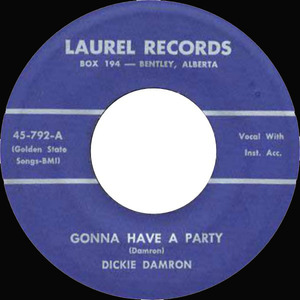
Gonna Have a Party
-
Rockin' Baby
-
Black Maria
-
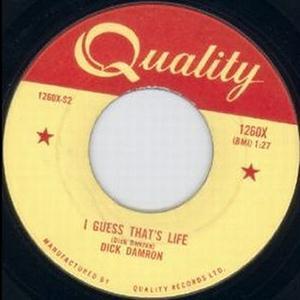
I Guess That's Life
-
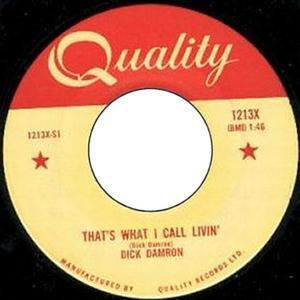
That's What I Call Livin'
-
Julie
-
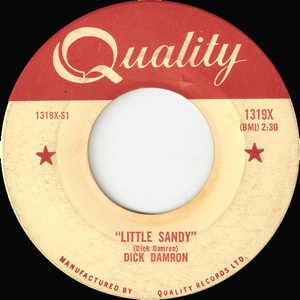
Little Sandy
-
Nothing Else
-
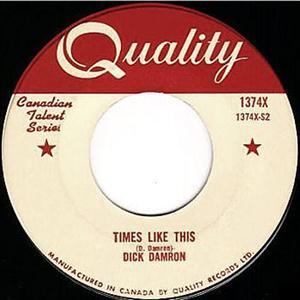
Times Like This
-
The Same Old Thing Again
-
Hitch Hikin'
-
Little Sandy
-
Strangers Again
-
Pretty Moon
-
Times Like This
-
Hello Heartaches
-
Double Trouble
-
Stop Feeling Sorry
-
Nothing Else
-
The Same Old Thing Again
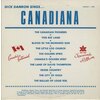
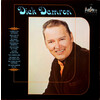
Sings Canadiana (1967)
10 tracks
-
The Canadian Pioneers
-
This Big Land
-
Blood in the Morning Sun
-
The Little Log Church
-
The Golden Spike
-
Canada's Golden West
-
The Land of David Thompson
-
Cross Country
-
The City of Gold
-
The Ballad of Louis Riel
-
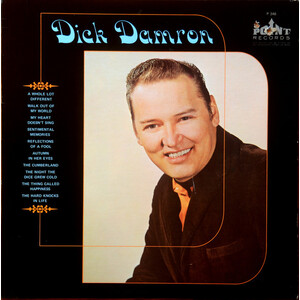
A Whole Lot Different
-
Walk Out of My World
-
My Heart Doesn't Sing
-
Sentimental Memories
-
Reflections of a Fool
-
Autumn in Her Eyes
-
The Cumberland
-
The Night the Dice Grew Cold
-
A Thing Called Happiness
-
The Hard Knocks in Life
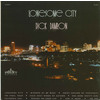
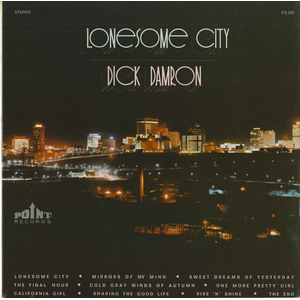
Lonesome City (1969)
10 tracks
-
Lonesome City
-
Mirrors on My Mind
-
Sweet Dreams of Yesterday
-
California Girl
-
Sharing the Good Life
-
Rise 'N' Shine
-
The Final Hour
-
Cold Gray Wings of Autumn
-
One More Pretty Girl
-
The End
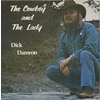
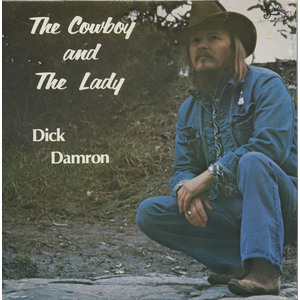
The Cowboy and The Lady (1975)
10 tracks
-
The Prophet
-
All That I Was Living For
-
Knowin' That She's Leavin'
-
I Remember Love
-
Eastbound Highway
-
Bittersweet Songs
-
The Cowboy and the Lady
-
Goin' Home Again
-
Mama Was a Christian Lady
-
Things That Might Have Been
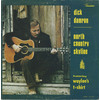
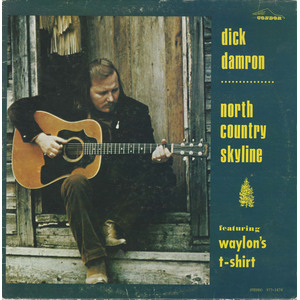
North Country Skyline (1977)
10 tracks
-
Charing Cross Cowboys
-
Alberta Skyline
-
Country Wine
-
Waylon's T-Shirt
-
North Country Blues
-
Susan Flowers
-
Just Another Old Rodeo Song
-
If You Need Me Lord
-
One More Day Away
-
You Can't Call It Country
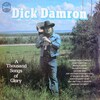
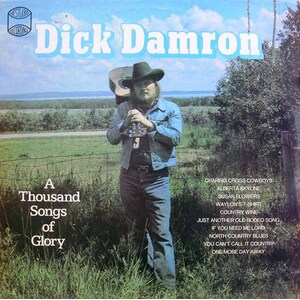
A Thousand Songs Of Glory (1978)
10 tracks
-
Charing Cross Cowboys
-
Alberta Skyline
-
Susan Flowers
-
Waylon's T-Shirt
-
Country Wine
-
Just Another Old Rodeo Song
-
If You Need Me Lord
-
North Country Blues
-
You Can't Call It Country
-
One More Day Away
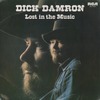
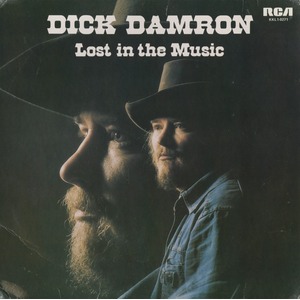
Lost in the Music (1978)
10 tracks
-
The Minstrel
-
Whiskey Jack
-
My Good Woman (That Ain't Right)
-
It Ain't Easy Goin' Home
-
When Satan Spins the Bottle
-
Lost in the Music
-
California Friends
-
The Only Way to Say Goodbye
-
Woman
-
Sweet Lady
-
Masquerade
-
1955
-
You'd Still Be Here Today
-
St. Mary's Angel
-
Here We Are Again
-
Cinderella and the Gingerbread Man
-
Ain't No Love Around
-
Hotel Mexico
-
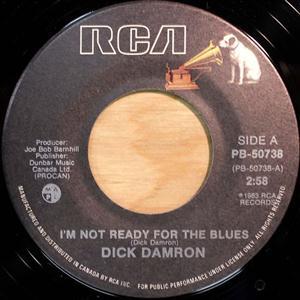
I'm Not Ready for the Blues
-
I Stopped Believing in You
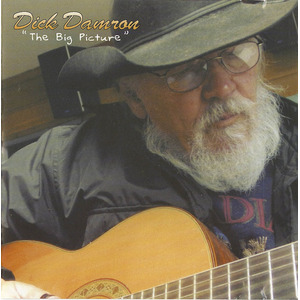
The Big Picture (2004)
Showing 10 of 16 tracks
-
No One Misses Me
-
Five Minutes of the Latest Blues
-
All About Love
-
You Don't Know the Lady
-
Free Love
-
Phantom of the Fifties
-
Countrified
-
High On You
-
One Night Stand
-
Susan Flowers
Discography
Featured Titles

Albums

Singles
Compilation Tracks
Gallery
Images
1 image
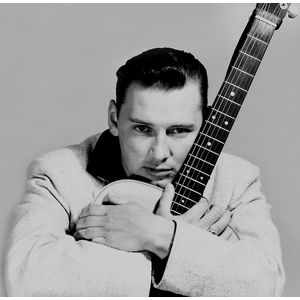
Damron, Dick
Media
Videos
0 videos
No videos available for this artist.