The Zaza Sound
Paul James Zaza was born in Toronto on December 28, 1952. He is one of the most prolific composers in the history of Canadian screen music. Over several decades he has scored more than 160 film and television productions, and his work sits at the core of Canada's modern screen-music legacy. Trained as a classical pianist and shaped by studio work, touring and production deadlines, he built a career that joins concert-hall discipline to the practical demands of popular music and large-volume film and television scoring.
Zaza was drawn to music early and went on to advanced training at the Royal Conservatory of Music, studying piano, harmony, orchestration and formal composition. That classical grounding stayed at the centre of his work. He had little interest in an academic career, though, and went straight into the professional music world, picking up the practical skills that later made him indispensable to producers and directors.
In the late 1960s and early 1970s he worked as a performing musician. He played bass in the Toronto production of Hair at the Royal Alexandra Theatre and toured as a rock musician with The 5th Dimension. The road taught him large-scale touring, pop arrangement and live performance under pressure. In that world a musician had to adapt quickly and play clearly, and those skills counted as much as sophistication.
By the mid-1970s Zaza was working full time in Toronto's studios. In 1977 he released a run of instrumental jazz-funk and disco records, among them Le Payback, Zaza and Hot in Here. Long known mainly to collectors, these albums show a composer already fluent in building grooves, writing tight ensemble parts and producing a polished record. They also point to his screen work: rhythmically direct, economically arranged and written to do a specific job.
At the same time he was building his own facilities. He founded Zaza Sound Productions Ltd., which began as a full 24-track recording studio designed with synchronization and film work in mind. As his career moved toward screen music, the studio became a post-production and scoring operation. Many composers depended on outside studios. Zaza controlled his own, and that let him deliver scores quickly, efficiently and with technical precision.
His film breakthrough came at the end of the 1970s with director Bob Clark and fellow composer Carl Zittrer. Their score for Murder by Decree (1979), a dark Victorian thriller that sets Sherlock Holmes on the trail of Jack the Ripper, won the Genie Award for Best Music Score in 1980. The film showed he could work at a high dramatic level, and the score builds orchestral tension with restrained themes and a strong sense of atmosphere. It also began Zaza's long association with genre cinema, the work much of the public knows him for.
In the early 1980s he became one of Canada's most dependable composers for fast-turnaround work. He scored the landmark horror films Prom Night (1980), My Bloody Valentine (1981) and Curtains (1983), writing suspense and menace while working inside tight production limits. On Prom Night he had to replace costly licensed disco tracks with original music on an extreme deadline, a job that made him as much a problem-solver on the production as its composer.
He also showed remarkable range. In 1983 he co-scored A Christmas Story, another Bob Clark film, which became a seasonal institution across North America. Most film scores fade once a picture leaves theatres. A Christmas Story comes back every holiday season, so Zaza's music is heard year after year and has settled into popular memory in a way few composers experience.
Through the 1980s and beyond, his output expanded dramatically. He scored mainstream comedies including Porky's and its sequels, along with thrillers, family films, television movies, documentaries and long-form series. He also took on specialized assignments such as re-scoring international material. For the 1993 Canadian English re-dub of Kimba the White Lion he composed an entirely new soundtrack. By the 1990s and 2000s his catalogue had grown so large that sources put the total anywhere from 160 to more than 175 credited productions, depending on how episodic television is counted.
Along with his Genie Award, Zaza received multiple SOCAN awards for the continued broadcast and performance of his music. His professional papers, manuscripts and production materials are preserved as a dedicated fonds at Library and Archives Canada, which recognizes the scope and historical importance of his career.
Zaza never settled on one instantly recognizable sound. His career rests on musical literacy, technical command and adaptability. His scores work because he understands what music has to do for a film: support the story, set the pacing and mood, and carry the edit. Classical training, studio fluency and a practical grasp of production kept him among the most consistently employed composers in Canadian film and television through the industry's busiest decades. His music runs through Canadian screen culture, from cult horror and holiday classics to the television movies watched in millions of living rooms.
-Robert Williston
Updated January 4, 2026 to include Paul Zaza's edits
Feature Films
Paul Zaza’s feature-film work spans prestige drama, mainstream comedy, cult horror, family films, and international thrillers. His feature credits include:
A Brooklyn State of Mind — A Christmas Story — A Switch in Time — American Nightmare — Baby Geniuses — Baby Geniuses 2 — Being Different — Birds of Prey — Blackheart — Blindside — Blown Away — Breakin’ All the Rules — Bullies — Cold Sweat — Curtains — Darkness Falling — Deadly Sword — Double Take — Fancy Dancing — First Degree — Flesh Gordon Meets the Cosmic Cheerleaders — Frankenstein ’88 — From the Hip — Gas — Grizzly Falls — Ghostkeeper — Her Vengeance — High Stakes — Higher Education — Hog Wild — I’ll Remember April — In Her Defense — Iron Eagle IV — Isaac Littlefeathers — It Runs in the Family — Judgment in Stone — Karate Dog — Kidnapping of the President — Liar’s Edge — Loose Cannons — Meatballs III — Melanie — Misbegotten — Mob Story — Murder by Decree — My Bloody Valentine — No Contest — No Contest II — Normanicus — Now and Forever — Pale Kings and Princesses — Popcorn — Porky’s — Porky’s II: The Next Day — Prom Night — Prom Night II: Hello Mary Lou — Prom Night III: The Last Kiss — Prom Night IV: Deliver Us — Reckless — Red-Blooded American — Saltwater Moose — Sentimental Reasons — Spoony Love — Stone Cold Dead — The Base — The Brain — The Club — The Dark — The Ex — The Fourth Angel — The Housekeeper — The Last Garden of Eden — The Legbreaker — The Lodger — The Murder — The Pink Chiquitas — The Rage — The Vindicator — Three Card Monte — Title Shot — Turk 182 — Unleashed — Volatile — White Light — You’ll Never Miss It.
Television Films and Specials
Zaza’s television feature and special work includes high-profile network productions and event programming such as:
The American Clock — The Paris Conspiracy — Bright Nights, Dark Days — Miss Piggy’s Christmas — Neighbours in Harmony — Perry Como’s Christmas Special — The Muppets TV Special — Whose Child Is This.
Movies of the Week (M.O.W.)
Throughout the peak era of made-for-television drama, Zaza scored numerous Movies of the Week, including:
Married to a Stranger — Secrets of the Rose Garden — Blue Murder — Body Count — Borrower — Catch a Falling Star — Covert Action — Deadly Pursuit — Derby — Diamonds — Inside Split — Justice Denied — Lady Bear — Murder by Night.
Miniseries
His miniseries work includes large-scale historical and true-crime productions such as:
Chronicle of 1812 — Ford: The Man and the Machine — To Catch a Killer.
Television Series
Zaza’s television series credits reflect both volume and stylistic range, encompassing drama, documentary, music, children’s programming, and entertainment formats. Series work includes:
Backstage — Baloney — Birds in Paradise — Challenge — Country Canada — Dallas (source music) — Divorce Court — Dr. Yes: The Hyannis Affair — Eight Is Enough — Ethan Allen — Fudge-A-Mania — Fifties Connection — Ghostwriters — Hollywood Babylon — Hollywood Camera — Hotel — Just Jazz — Kids of Degrassi (one episode) — Kidsworld — Kimba the White Lion — Let’s Go — Lively Country — Lively Woman — Makin’ Trax — Mania — Mr. Wizard’s World — Music Circle — Ocean’s Alive — Parole Board — Predators and Prey — Rin Tin Tin: K-9 Cop — SCTV Network — Secret World — Size Small — Size Small Country — Sounds Good — Spenser for Hire — Strange World — Tales of the Klondike — Terra X — That’s Incredible — The Marriage Counsellor — The Parent Trip — The Ron Oliver Show — The Waltons (partial) — The Wayne Thomas Show — Those Amazing Animals — Timelines — Travellin’ Music — Modesty Blaise — The Trouble with Trolls.
Documentaries
Zaza also composed extensively for documentary film and factual television. His documentary credits include:
A Soldier’s Peace — Acts of War — Caught in the Cross-Fire — Flightpath — Focus — Magic Carpet Ride — National Driving Test — Out of Control — Queen Charlotte — Shotpoint 260 — Stanley Cup History — Swords of Freedom — The Test of Your Life.
Shorts
Blue Plate Special — Controlled — Gettin’ Nasty
Record Productions
This section documents Paul Zaza’s work as a record producer, arranger, and recording artist, including albums released under his own name, studio-driven projects, and soundtrack album productions.
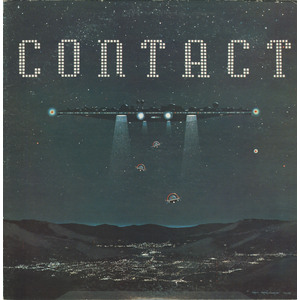
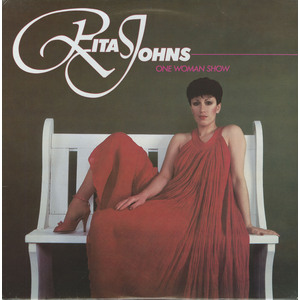
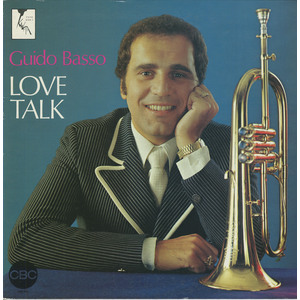
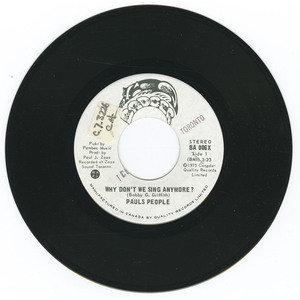
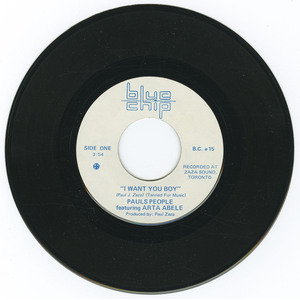
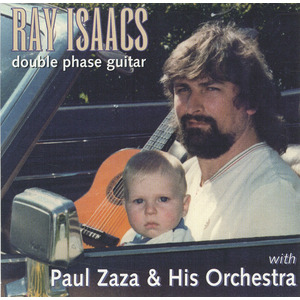
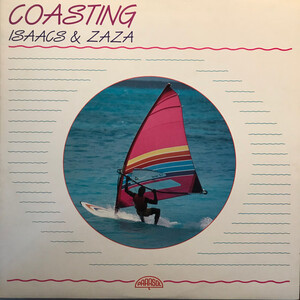
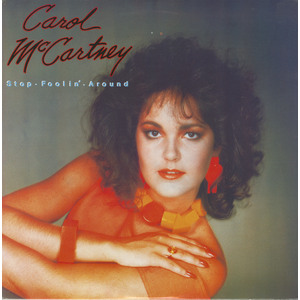
Black Magic — Steve Bogard — Trevor Dandy — Eria Fachin — Stew Fargo — Eric Fraser — Gilbert (record) — Bobby G. Griffith — Ray Isaacs (Coasting; Live in L.A.; Double Phase Guitar) — Jon Johnston — Foy Lawson — The Longo Brothers — Jim Lorentz — Fraser Mac — Carol McCartney — Catherine McKinnon — Dave Moffat — Yvonne Murray — Parry Music Library — Paul’s People — Emily Quattrin — Wayne Rembrandt — Kathy Robertson — Sophia Theos — Uncle Paul Richards — Zaza (Le Payback; Hot in Here; Contact; Just a Little Bit; Zaza).
Soundtrack Albums
A Christmas Story — My Bloody Valentine — Curtains — Prom Night (Original) — Prom Night II: Hello Mary Lou — Prom Night III: The Last Kiss — Prom Night IV: Deliver Us From Evil — Ghostkeeper — Sherlock Holmes — Murder by Decree — The Brain — From the Hip.
Live Stage Productions and Touring
This section documents Paul Zaza’s professional live performance work, including stage productions and touring engagements.
Hair (Toronto production, Royal Alexandra Theatre) — The 5th Dimension (touring musician)
Tracks
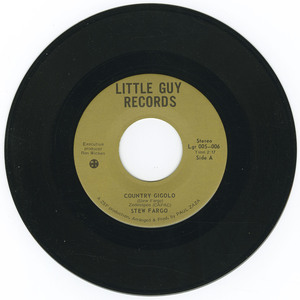
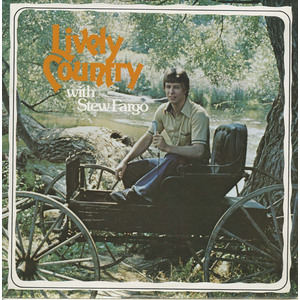
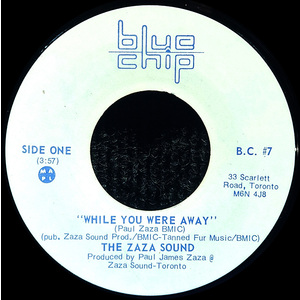
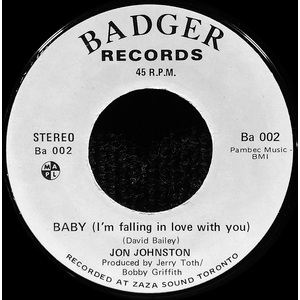
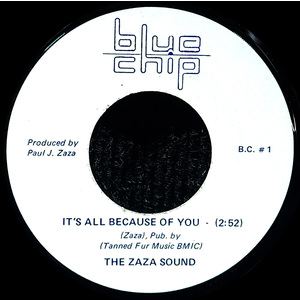
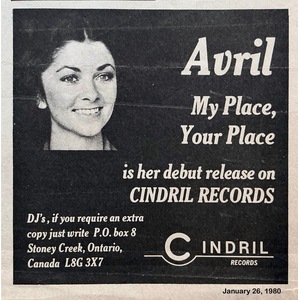
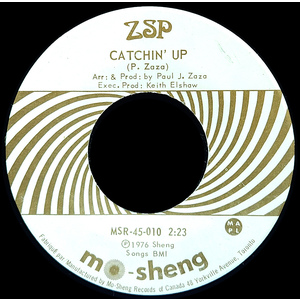
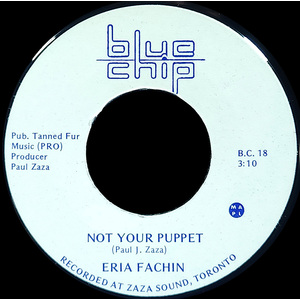
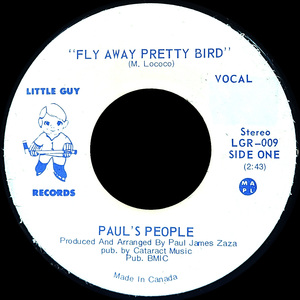
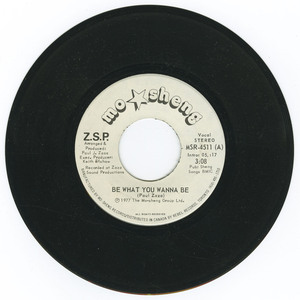
Stew Fargo
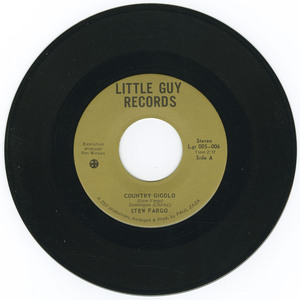
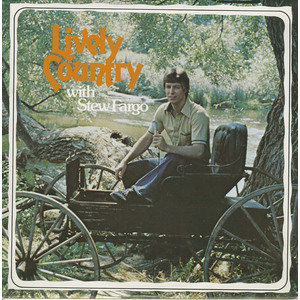
Country Gigolo b/w That's All Right
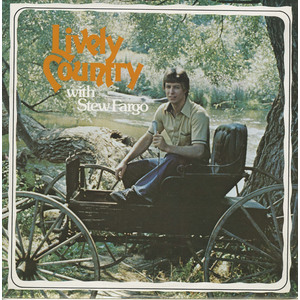
Lively Country
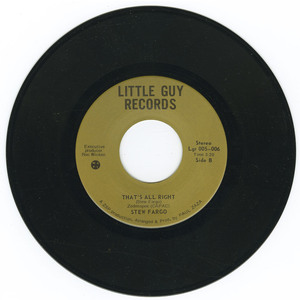
45-Stew Fargo - Country Gigolo VINYL 02
Good Ol' Boys b/w Paper to Write On
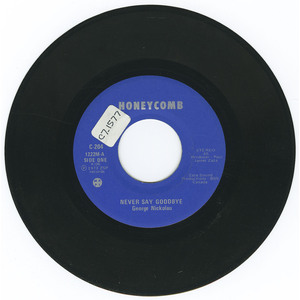
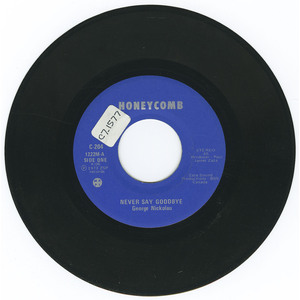
Never Say Goodbye b/w Sunday Afternoon
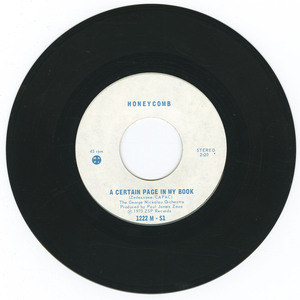
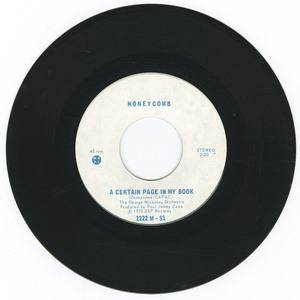
A Certain Page in My Book b/w The Flower Child
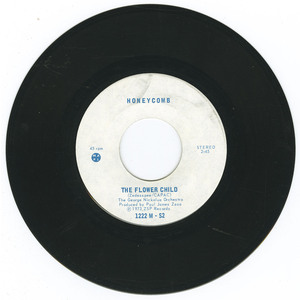
45-George Nickolau Orchestra - A Certain Page in My Book VINYL 02
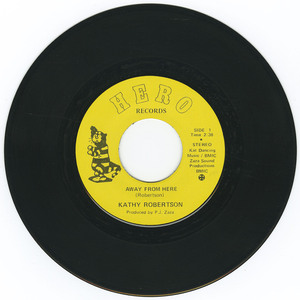
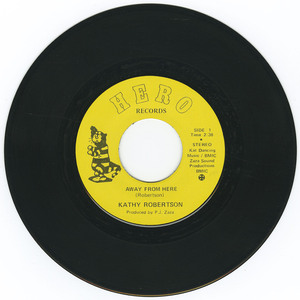
Away From Here b/w No Place Like Stoned
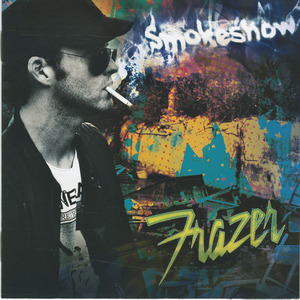
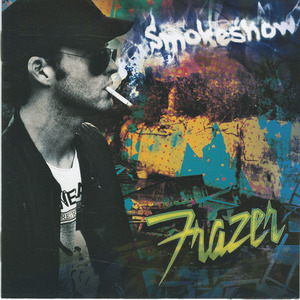
Smokeshow
Frazer
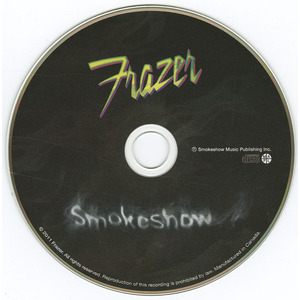
CD-Frazer - Smokeshow CD
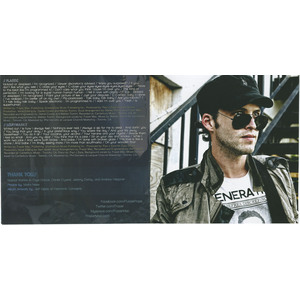
CD-Frazer - Smokeshow BOOKLET PAGES 05-06
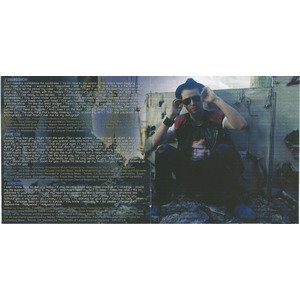
CD-Frazer - Smokeshow BOOKLET PAGES 03-04
CD-Frazer - Smokeshow BOOKLET PAGES 01-02
CD-Frazer - Smokeshow INLAY INSIDE
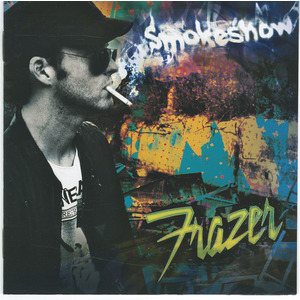
CD-Frazer - Smokeshow BACK
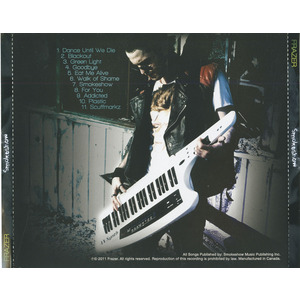
CD-Frazer - Smokeshow INLAY BACK
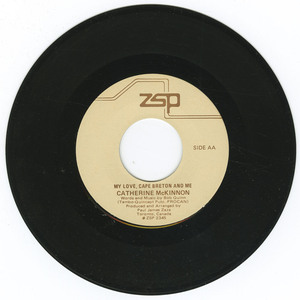
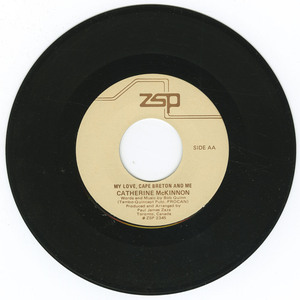
Sail On b/w My Love, Cape Breton and Me
ST
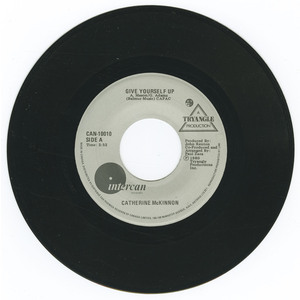
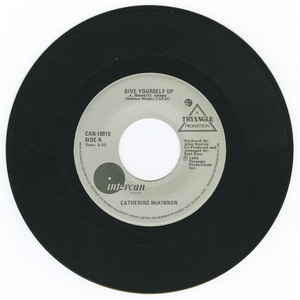
Give Yourself Up b/w Peace in My Heart
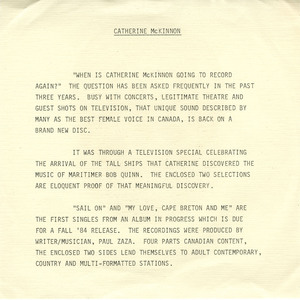
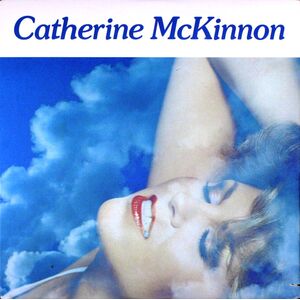
45-Catherine McKinnon - My Love, Cape Breton and Me FRONT2
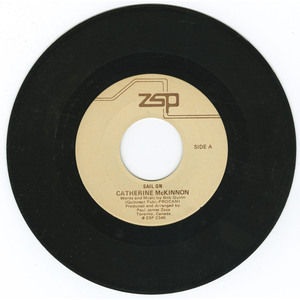
45-Catherine McKinnon - My Love, Cape Breton and Me VINYL 02
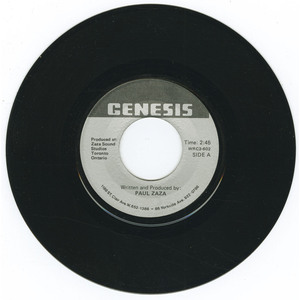
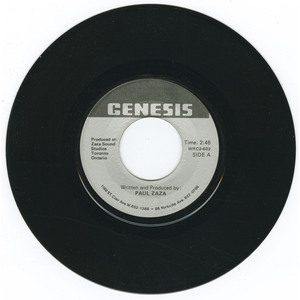
Genesis b/w Genesis
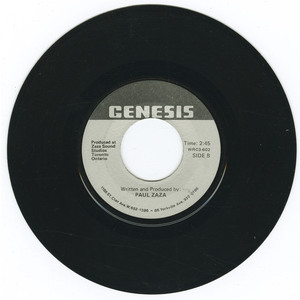
45-Paul Zaza - Genesis VINYL 02
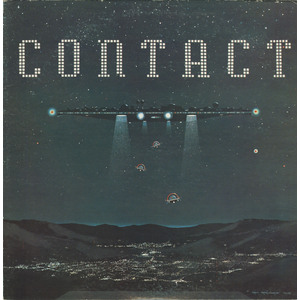
Contact
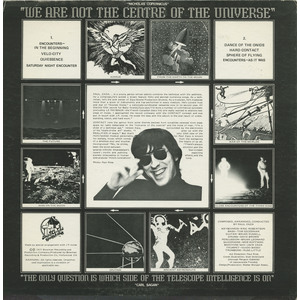
SOUNDTRACK - Contact BACK
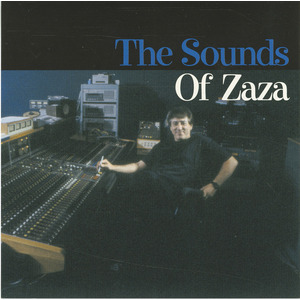
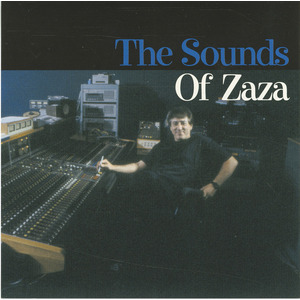
The Sounds Of Paul Zaza
CD-Paul Zaza - The Sounds of CD
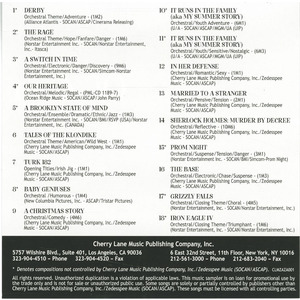
CD-Paul Zaza - The Sounds of BACK
No Comments