Artist / Band
Copperpenny
Biography
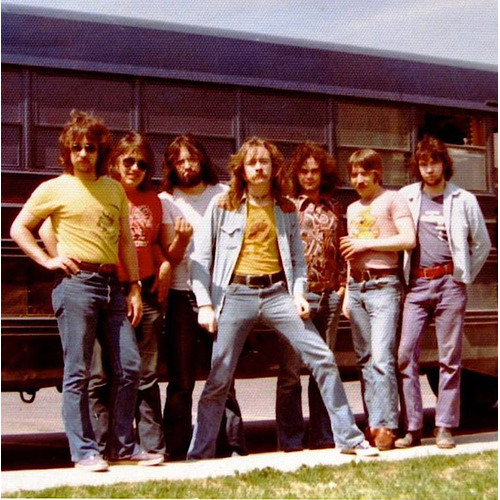
Copperpenny emerged from Kitchener, Ontario in the mid-1960s as one of the region’s most ambitious and professionally minded rock groups, evolving from British-Invasion-inspired beginnings into a nationally charting act whose recordings bridged pop, hard rock, and R&B during a decade of rapid change in Canadian music. Formed in 1965 by teenage friends Rich Wamil and Kenny Hollis, the band first operated as The Penny Farthings, a name that reflected both the era’s Anglophile sensibility and the coffeehouse-club circuit that sustained early Ontario beat groups.
By the late 1960s, with a stabilized lineup and original material in hand, the group attracted interest from Columbia Records. At the label’s urging, they adopted the name Copperpenny, borrowed from a Paupers B-side title, and released three singles between 1968 and 1969. While promotion was limited, the pop-leaning “Nice Girl” broke through nationally, reaching the RPM singles chart and marking Copperpenny as more than a regional act. The Columbia sides hinted at a band still refining its identity, moving between polished pop songwriting and a tougher rock edge that would soon come to the fore.
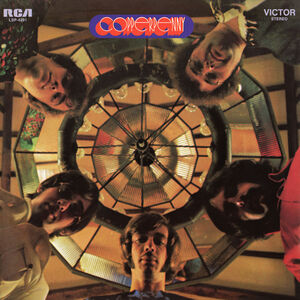
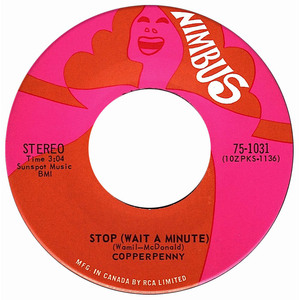
That shift arrived with producer Jack Richardson, whose Nimbus 9 organization had just propelled The Guess Who to international success. Under Richardson’s guidance, Copperpenny signed with RCA Victor and recorded their self-titled debut album in Chicago. Issued in 1970, Copperpenny captured a group stretching in multiple directions at once: bright, radio-friendly singles sat alongside heavier guitar material and extended psychedelic passages. The single “Stop (Wait A Minute)” cracked the RPM Top 100 on the strength of Southern Ontario airplay, while the album’s closing track, the nearly nine-minute “Stop The World,” showcased the band’s willingness to push beyond conventional pop structures.
Touring steadily, Copperpenny became a familiar name on Ontario stages and university circuits, occasionally opening for major acts. One of the most talked-about dates came on November 4, 1969, when they supported Led Zeppelin at the Kitchener Memorial Auditorium—Zeppelin’s final Canadian appearance of the year. Despite the high-profile exposure, RCA distribution and modest U.S. spillover failed to translate into strong album sales, and internal pressures soon began to reshape the band.
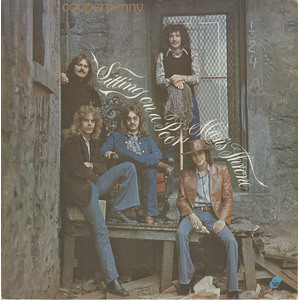
By 1971–72, Copperpenny had undergone significant lineup changes, with Wamil and Hollis remaining at the core. Signing with Much Productions, they re-emerged on the Sweet Plum label and relocated recording sessions to PAC 3 Studios in Dearborn, Michigan under producer Harry Hinde. The resulting material marked a decisive stylistic turn. Emphasizing groove, harmony vocals, and a more R&B-oriented approach, the new Copperpenny connected decisively with Canadian radio. “You’re Still The One” became their first Top 40 hit, but it was the follow-up, “(Sittin’ On A) Poor Man’s Throne,” that cemented their place in Canadian rock history, peaking at number 14 nationally in 1973. Issued in a shortened single edit, the song’s full-length album version revealed a darker, more expansive performance that would later be covered by Bobby Bland and remain a classic-rock staple.
The success led to national television exposure, including an appearance on CBC’s Drop-In, and kept Copperpenny touring heavily through 1973 and early 1974. Subsequent singles from the Sitting On A Poor Man’s Throne album charted respectably but could not replicate the momentum of the title track. As industry expectations shifted and internal ambitions diverged, the Sweet Plum era quietly came to a close.
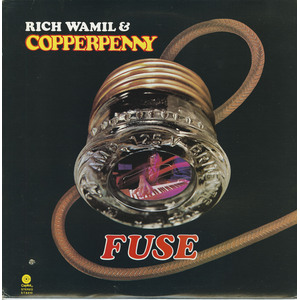
Wamil continued forward under the Rich Wamil & Copperpenny name with Capitol Records, assembling a studio-based lineup drawn from Toronto’s top session players. This incarnation leaned toward contemporary cover material, resulting in the 1975 album Fuse and a run of singles that charted modestly but lacked the cohesion of earlier releases. A final single in 1976 brought the Copperpenny name to an end.
In the years that followed, members pursued varied careers across music, production, education, and business, while occasional reunions reaffirmed the band’s local legacy. Though Copperpenny’s recorded output reflects the stylistic uncertainty faced by many Canadian bands navigating the late-1960s and early-1970s industry, their peak years produced one of the era’s most enduring national hits. More than five decades on, “Sitting On A Poor Man’s Throne” continues to receive airplay, standing as a reminder of a band that briefly aligned songwriting, performance, and timing to leave a lasting mark on Canadian rock history.
-Robert Williston
Lineups
1968–1969
(Columbia Records era)
Rich Wamil: vocals, keyboards
Kenny Hollis: vocals
Vern (Laverne) McDonald: lead guitar
Paul Reibling: bass
Bert Hamer: drums
1969–1970
(RCA Victor / Nimbus 9 — debut album)
Rich Wamil: vocals, keyboards
Kenny Hollis: vocals
Vern McDonald: lead guitar
Ron Hiller: bass
Bert Hamer: drums
1971–1972
(post-RCA transition period)
Rich Wamil: vocals, keyboards
Kenny Hollis: vocals
Bill Mononen: guitar
Wayne Evans: bass
Brad Fowles: drums
1973–1974
(Sweet Plum / Sitting On A Poor Man’s Throne)
Rich Wamil: vocals, keyboards
Kenny Hollis: vocals
Bill Mononen: guitar
Ron Hiller: bass
Blake Barrett: drums, percussion
1975
(Capitol Records studio lineup — Fuse)
Rich Wamil: vocals, keyboards
Brian Russell: guitar
Al Mix: guitar
Paul Zaza: bass
Barry Keane: drums
Eric Robertson: keyboards
1975 (touring band)
Rich Wamil: vocals, keyboards, guitar
Mark Stephen Gendel: guitar
Bill Mair: bass, vocals
Jim Minas: drums, vocals
Tracks
28 tracks

-
I've Been Hurt Before - Ritchie's Party
-
Stop
-
It's a Happy Day
-
Castles of Sand
-
That Was The Game
-
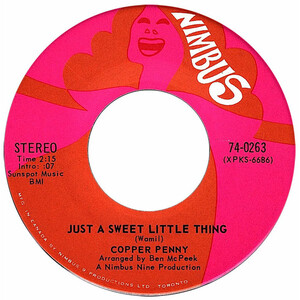
Just a Sweet Little Thing
-
It's a Rainy Day
-
Why Don't You Go For Me
-
Stop The World

-
Sitting On a Poor Man's Throne
-
Taking My Heart
-
Where is the Answer
-
Thinking of You
-
You're Still the One
-
Boogie Woogie
-
Get Away
-
Bad Manners
-
Wine Song
Fuse (1975)
10 tracks
-
Disco Queen
-
Suspicious Love
-
Dancing on the Devil’s Doorstep
-
You Make it Hard
-
Mind Over Matter
-
Good Time Sally
-
Feedback Out on Highway 101
-
Get Myself Back Home
-
Going Down to Miami
-
Tossin’ and Turning
Discography
Featured Titles
Albums
Singles

Compilation Tracks
Gallery
Images
18 images
View All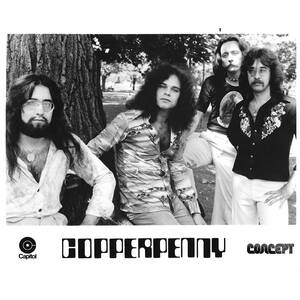
Copperpenny in 1975
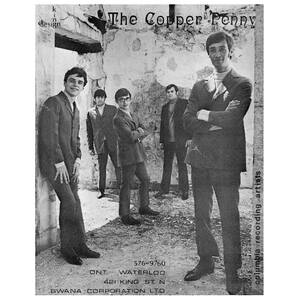
Copper Penny in 1968
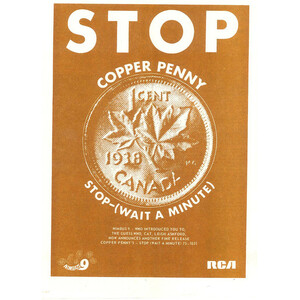
COPPERPENNY BAND PROMO
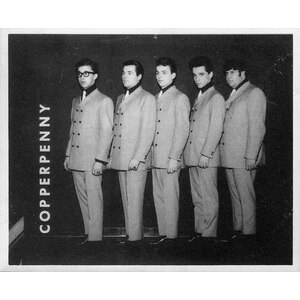
Copperpenny in 1967
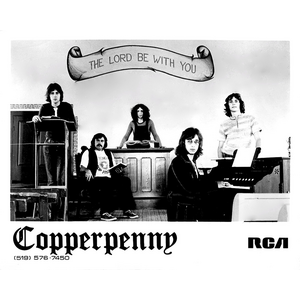
Copperpenny
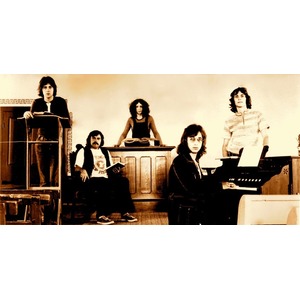
Copperpenny
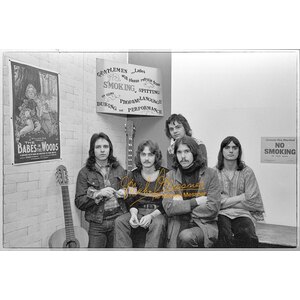
This is a Michael Messner photo of 'Yukon'. _ Mike Lehman, Tommy Hishon, Wayne Dietrich, Bobby Becker and Verne MacDonald at the top
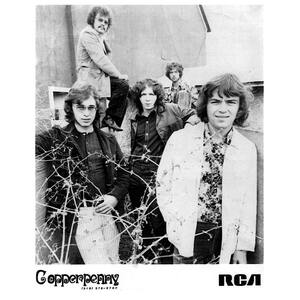
Copperpenny promo from late 1970
Media
Videos
0 videos
No videos available for this artist.