Artist / Band
Cal Cavendish
Biography
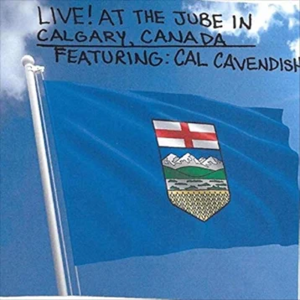
Cal Cavendish wrote songs about the work he did. Over five decades he drove trucks, worked on oil rigs and in oilfield services, flew small aircraft and pulled night shifts as a security guard, and he turned nearly all of it into music about Western Canada: highways and gas plants, bush pilots and crop dusters, cattle, prairie towns, minimum wages and the people who lived among them. “It has allowed me to be close to the people I write about,” he said of the jobs. Born Calvert Henry Ashley Emile Cavendish in Plymouth, Michigan, on August 17, 1940, he served in the Canadian reserves with the Banff artillery militia and lived at various times in Louisiana, Texas, Nashville and Crossfield, but Calgary was his musical home. The city runs through his records by name, from ‘1:00 A.M. Calgary’ to the concert album he recorded at the Jube in 1994. Calgary also remembers him for one day in April 1975, when he flew over downtown and dropped a load of manure on it.
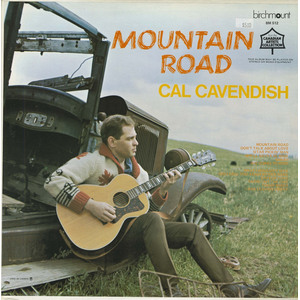
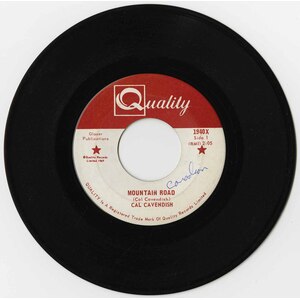
He had been playing folk festivals since the early 1960s, and his first album, Mountain Road, came out in 1969 on Birchmount, Quality Records’ budget line, as part of its Canadian Artists’ Collection. The back cover introduced “Cal Cavendish, 28, of Calgary, Alberta,” a singer and guitarist who had already carried his songs from Saskatchewan to British Columbia. All twelve songs were his, among them ‘Sitar Pickin’ Man’, ‘Sarah’, ‘Tramp Miner’ and ‘I Was Leaving Today’. Quality paired the title song with ‘Big Stampede’ on a single, and ‘Mountain Road’ climbed to No. 39 on the RPM country chart. Music Industry Review called 1969 “a year of discovery,” adding that “in music, it’s Cal Cavendish,” and early reviewers reached for Gordon Lightfoot and Woody Guthrie to describe him.
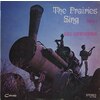
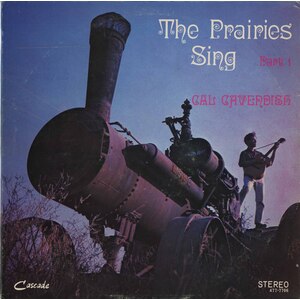
The Prairies Sing - Part 1 followed on Cascade Records in November 1970. Cavendish cut it at E. K. Recording Studio in Calgary with producer and engineer Ernest Klumpp, backed by Jim Morel on drums, Hal Sandvold on bass and Edge Davies on accordion. The songs moved across the West through the people working it: ‘Poplar Firewood’, ‘Brandon’, ‘Wolverine’, ‘Bush Pilot’, ‘Work, Work’, ‘Two Trains’ and ‘Snow Goose’. The liner notes spoke up for a landscape most travellers wrote off as “a flat, uninteresting thousand miles to drive.”
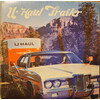
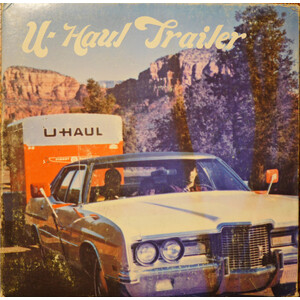
‘U-Haul Trailer’ was on Canadian radio by 1971. Cavendish had moved so often that he identified with anyone starting a new life in another town. For him the trailer stood for the freedom to pack up and go looking for something better. U-Haul liked the idea enough to take the song for its own promotion. Westmount Records issued it in 1972, backed with ‘Cajun Boy’ and produced by P. Bentley, in a sleeve copyrighted by U-Haul International and printed in the United States. The packaging billed him as a Calgary musician whose ‘Mountain Road’ had reached the country Top Ten, and added that he was a photographer at work on a motion picture of his own.
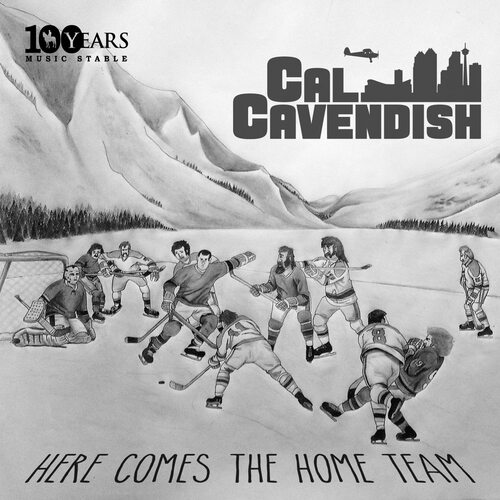
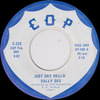
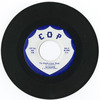
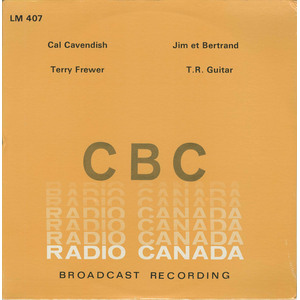
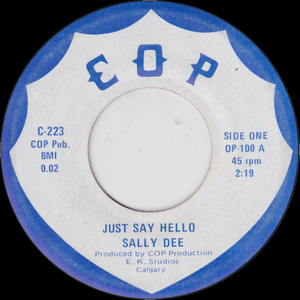
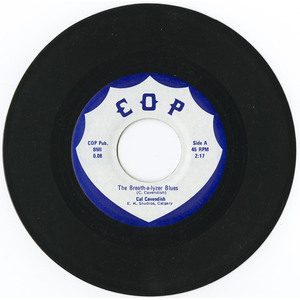
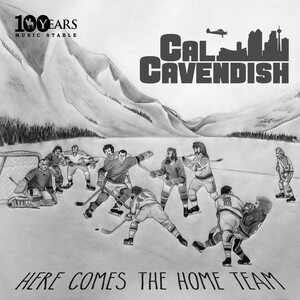
His own COP label and COP Publications put out a string of singles recorded at E. K. Studios, including a 1972 split release pairing Sally Dee’s ‘Just Say Hello’ with his own ‘Government Inspected’. ‘The Breath-a-lyzer Blues’, backed with ‘Here Comes the Home Team’, gave him another national chart entry, turning up on the RPM country chart at No. 86 on February 10, 1973 and rising to No. 82 by February 24. Sally Dee recorded three of his songs on her 1973 album Just Say Hello, and over the years he worked with Nashville publishers, CBC and NPR to get his music heard.
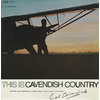
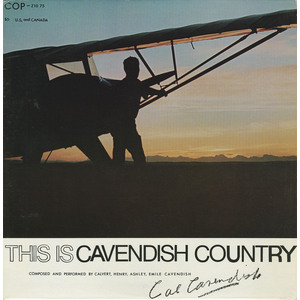
This Is Cavendish Country, his third LP, appeared on COP in 1973. Its songs covered the ground he knew: ‘The Mobile Philosopher’, ‘Ramp Man’, ‘Good Old John’, ‘Foreign Cows’, ‘White Shell Road’, ‘Interstate Blues’, ‘I’ll Sing A Highway Song’, ‘Mother (Here I Stand, Your Son)’, ‘Winter Moon’ and ‘1:00 A.M. Calgary’. He built the back cover himself, a collage of his own photographs of highways, rail lines, gas plants and aircraft, captioned in his handwriting. One shot showed him with the film crew then making a documentary about him. “Thanks Canada,” he wrote, “for our home movie to end all home movies.”
The film was Cavendish Country, written, produced and directed by Donald Brittain for the National Film Board and broadcast in 1974 as part of CBC Television’s West series. The NFB introduced him as “one of Canada’s finest writers of country-western music.” Brittain’s camera found a songwriter who wanted to live from his own songs and would not play bars to do it, because he felt bar crowds weren’t listening. He paid the bills working nights as a security guard.
Other pilots took to calling him Cornfield Cal after he got lost during a 2,600-mile air race in Ontario, and in 1974 he won the Transcanada Belvedere Air Dash.
On April 11, 1975, Cavendish loaded a small plane with about 100 copies of one of his records and 100 pounds of cow manure and took off over Calgary. He was living in the city, his music career had stalled, and he had been comparing himself with cousins who had become lawyers and doctors. “I was a pretty good pilot,” he told CBC’s Calgary Eyeopener in 2015, speaking from his home in rural Montana. “So what I did, I held the door open with my right foot and I leaned the bag over with my arm and just dribbled it down the side of the airplane as I went flying down Ninth.” He passed below the observation deck of the Calgary Tower. The manure came down on the downtown business district and the records scattered across Inglewood, where helpful citizens gathered up the broken pieces for the police, who later showed them to him in court. He kept flying east as darkness fell and his fuel ran low, landed on a dark highway near Brooks and taxied through an open gate into the Old Dutch potato chip plant. A Mountie was waiting. When Cavendish told him he was the pilot everyone was looking for, the officer didn’t believe him at first. He was fined $4,000, and since his licence was already gone, the court made sure it stayed gone “for years and years and years.” The episode left him with the name he never shook: the Mad Manure Bomber.
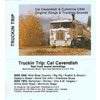
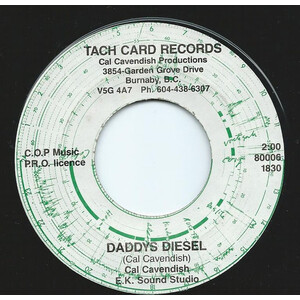
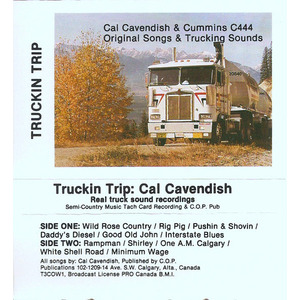
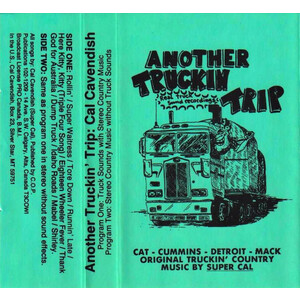
Trucking became his living, and he stayed at it long enough to log more than three million miles. Dick Irvin Trucking named him Employee of the Year, and he received a Million Mile Safe Driving Award three separate times. Truckin’ Trip, a cassette on his Semi-Country Music Tach Card Recordings imprint, put ‘Wild Rose Country’, ‘Rig Pig’, ‘Pushin & Shovin’, ‘Daddy’s Diesel’, ‘Rampman’, ‘One A.M. Calgary’ and ‘Minimum Wage’ on one stereo channel and the sound of a K100E Kenworth with a Cummins engine on the other. Listeners could use the balance knob, the insert promised, to turn “your FOUR wheeler or Easy Chair into a BIG RIG.” A single of ‘Daddy’s Diesel’ backed with ‘Sammy the Sand Truck’ followed in 1984, and Another Truckin’ Trip continued the idea. When the Canadian Folk Music Bulletin caught up with him in 1996, it found a man who had spent years on work and family, loved driving truck and had never stopped writing or singing.
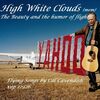
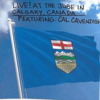
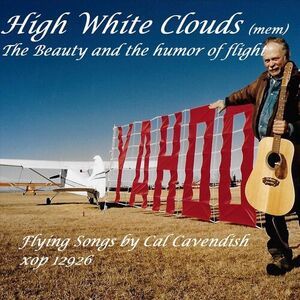
He got his wings back in the 1990s, and flying took over much of his writing. High White Clouds carried ‘Crop Duster’, ‘The Saga of Bush Pilot’, ‘The Ultralight Song’, ‘The Solo Song’, ‘The Jesus Nut’ and ‘The Barf Bag Song’, written with the same mix of shop talk, affection and jokes as the truck songs. In 1994, at 53, he booked the Southern Alberta Jubilee Auditorium himself for a comeback show. The recording, released in 1995 as Wheels, Wings & Other Things: Live at the Jubilee, put eighteen-wheelers, crop dusters and rig workers on one Calgary stage.
Cavendish taught Sunday school and liked dropping into churches of any denomination to share his beliefs and meet the people there, a side of him already audible in 1973 on ‘Lord, I’m Reaching Out For You’.
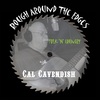
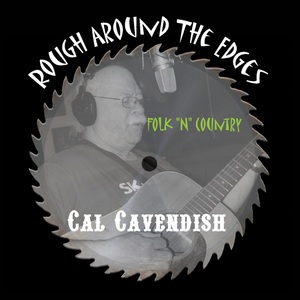
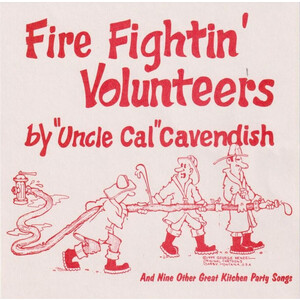
Rough Around the Edges arrived in 2012 with fifteen songs, including ‘Black Gold’, ‘Ice Road’, ‘Thousand Dollar Mortgage’ and ‘Cow Shit and Crude Oil’. The Mobile Philosopher: Greatest Hits of Cal Cavendish followed in 2017, and a steady run of digital titles, among them Concentrated Cal Cavendish and Fire Fightin’ Volunteers, gathered old singles alongside new work. At nearly 80 he answered the pandemic with ‘Covid 19 Blues Recitation’ in 2020, and his aviation songs came together again on Flying and Falling in 2021.
In 2009 playwright David van Belle and singer-songwriter Kris Demeanor put his story on stage as BUZZ JOB! The True Story of Cal Cavendish. It played Calgary’s Ironwood Bar and Grill, One Yellow Rabbit’s High Performance Rodeo and the Empress Theatre in Fort Macleod, with the manure flight at its centre and the man himself still alive to see it.
Cal Cavendish died at Calgary’s Rockyview Hospital on September 22, 2023, at 83. His website went offline soon after.
-Robert Williston
Tracks
100 tracks
Mountain Road (1969)
Showing 10 of 12 tracks
-
Mountain Road
-
Don't Talk About Love
-
Sitar Pickin' Man
-
She'll Never Be Mine
-
Sarah
-
She Comes To Mind
-
What I Wouldn't Give
-
Did I Call You Again By Her Name
-
Rays Of Love
-
Takin' Out The Line
-
Mountain Road
-
Big Stampede
The Prairies Sing (1970)
Showing 10 of 12 tracks
-
Walk On Water
-
3 Quarters, 2 Nickles, 2 Dimes
-
Poplar Firewood
-
Brandon
-
Wolverine
-
Bush Pilot
-
The Land That I Love
-
Takin' Out the Line
-
Work, Work
-
Once You Were Something
-
Just Say Hello
-
Government Inspected (split with Sally Dee)
-
The Breath-a-lyzer Blues
-
Here Comes the Home Team
U-Haul Trailer (1972)
2 tracks
-
U-Haul Trailer
-
Cajun Boy
This is Cavendish Country (1973)
Showing 10 of 12 tracks
-
The Mobile Philosopher
-
Ramp Man
-
Good Old John
-
Foreign Cows
-
White Shell Road
-
Interstate Blues
-
I'll Sing A Highway Song
-
Lord, I'm Reaching Out For You
-
Mother (Here I Stand, Your Son)
-
It Takes A Fool
-
Wild Rose Country
-
Rig Pig
-
Pushin & Shovin
-
Daddy's Diesel
-
Good Old John
-
Interstate Blues
-
Rampman
-
One A.M. Calgary
-
White Shell Road
Wild Rose b/w Rig Pig (1983)
2 tracks
-
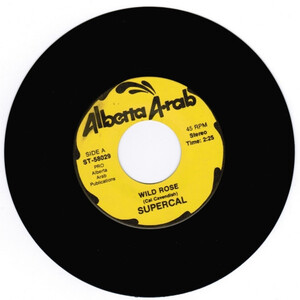
Wild Rose
-
Rig Pig
-
Daddy's Diesel
-
Sammy the Sand Truck
High White Clouds (1990)
10 tracks
-
Kizzy
-
Crop Duster
-
High White Clouds
-
The Saga of Bush Pilot
-
The Eagle Flies High
-
The Ultralight Song
-
The Solo Song
-
The Experimental-Silvered Wings
-
The Preflight Song - The Jesus Nut
-
The Barf Bag Song
Wheels, Wings & Other Things: Live at the Jubilee (1995)
Showing 10 of 12 tracks
-
Eighteen Wheeler
-
Crop Duster
-
Banker's Daughter
-
Taken Out the Line
-
Pass and the Drum
-
It's Flying Time
-
Calcutta Cowboy
-
Jesus Nut
-
I Am Calgary
-
Snow White Duck
Rough Around The Edges (2012)
Showing 10 of 15 tracks
-
Old Fool
-
Zirconium
-
Black Gold
-
Shy Stripper
-
Anyone That Makes the Wine
-
Ice Road
-
Cell Phone Song
-
Order Up
-
Big Ed
-
Thousand Dollar Mortgage
-
Driven On
-
His Ever Lovin' Plan
-
I'll Sing a Highway Song
-
Them Foreign Cows
-
Mother Here I Stand Your Son
-
Kizzy
Discography
Featured Titles

Albums
Singles
Compilation Tracks
Gallery
Images
1 image
Cavendish, Cal
Media
Videos
1 video