Artist / Band
Marshmallow Soup Group
Biography
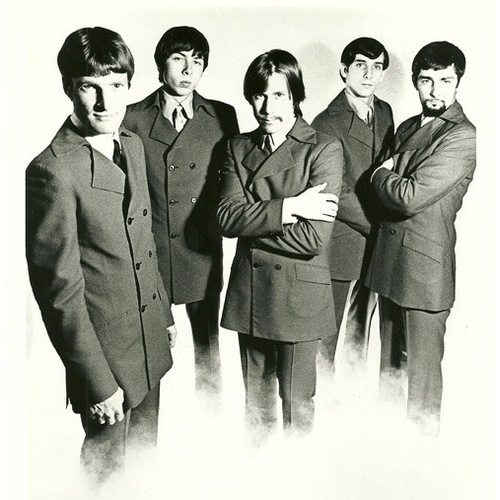
Marshmallow Soup Group were a late-1960s Canadian pop-psych and blue-eyed soul group whose brief career combined bubblegum pop success with an unusually international profile. Formed in the summer of 1967 in Kingston, Ontario, the band initially built a strong regional following before relocating to Ottawa, where they came under the management of former Staccato member Vern Craig. Under Craig’s guidance, the group refined both their image and sound, positioning themselves at the intersection of pop psychedelia, soul-inflected rock, and radio-friendly bubblegum.
The core lineup consisted of John Lemmon (organ, vocals), Wayne Sweet (lead guitar, vocals), Ron “Smack” Smith (bass, vocals), and Tim Cottini (drums). In early 1969, the band’s trajectory changed significantly with the addition of Tim Eaton as lead vocalist and primary frontman. Eaton’s arrival helped sharpen the group’s commercial focus and stage presence, and according to RPM, Marshmallow Soup Group quickly became “one of the top draws in the area,” reflecting their popularity across eastern Ontario club circuits and radio markets.
Before issuing commercial records, the band recorded and performed radio and television jingles for national campaigns, including the United Way and the Canada Welfare Council. This work not only sharpened their studio professionalism but also raised their profile with broadcasters and industry figures. Their growing popularity with radio audiences led to a deal with RCA Limited through its Sun-Bar Productions imprint in late 1969, placing them among a wave of young Canadian acts being developed by major labels during the height of the domestic pop boom.
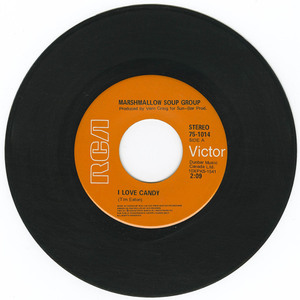
Their debut single, “I Love Candy,” written by Tim Eaton and produced by Vern Craig, was released in November 1969. A bright, catchy bubblegum-psych track with soul-pop overtones, the single became the band’s defining recording. It charted strongly in key markets, reaching approximately #5 in Kingston and #15 in Ottawa, and peaked in the national Top 50 on the RPM Top Pop Singles chart in early 1970. The song’s success made Marshmallow Soup Group a recognizable name on Canadian radio, even as it narrowly missed breaking through internationally.
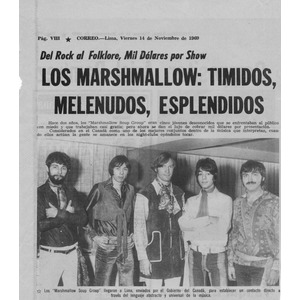
Uniquely, the release of “I Love Candy” was timed to coincide with the band’s selection as Goodwill Ambassadors of Canada by the Federal Department of Trade and Commerce. In late 1969, Marshmallow Soup Group traveled to Lima, Peru to perform at the International Trade Fair, where they played multiple daily sets at the Canadian Pavilion, appeared on Peruvian television and radio, and participated in hospital and community visits. The trip was widely covered by RPM, which highlighted both the promotional value and the government-backed publicity surrounding the band’s international appearances.
The Peru engagement proved to be only the beginning of an unusually global touring profile for a Canadian pop group of the era. As part of their ambassadorial role, Marshmallow Soup Group also toured Japan, Mexico, Hawaii, and the United States, giving them exposure well beyond what most contemporaneous Canadian acts experienced. Contemporary fan recollections and later online commentary from Peru suggest the band left a strong impression abroad, with particular praise directed at Eaton’s energetic stage presence and vocal performance.
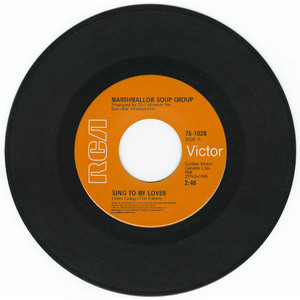
In 1970, the band released a follow-up single, “Sing To My Lover,” an organ-driven blue-eyed soul track that many listeners and collectors have since regarded as musically stronger than their debut. Despite its quality, the single failed to achieve significant chart success in Canada and did not replicate the impact of “I Love Candy.” With changing musical trends and diminishing commercial momentum, Marshmallow Soup Group soon began to wind down their activities.
The group dissolved in 1971. Tim Eaton pursued a solo career, forming a backing band called Timothy and releasing several singles that failed to produce major hits. He later recorded under alternate names including Buster Brown and Tim Harrower, and contributed backing vocals to albums by artists such as Robert David and Cathy Young. Eaton’s final known recording dates from 1974. Ron “Smack” Smith later surfaced in the group Café Ole, which recorded “The Island Song” in 1980.
-Robert Williston
Lineup
Tim Eaton: lead vocals
John Lemmon: organ, vocals
Wayne Sweet: lead guitar, vocals
Ron “Smack” Smith: bass, vocals
Tim Cottini: drums
Tracks
4 tracks
-
I Love Candy
-
If I Could Reach You
-
Sing to My Lover
-
Barbie Lee
Discography
Featured Titles
Singles
Gallery
Images
7 images
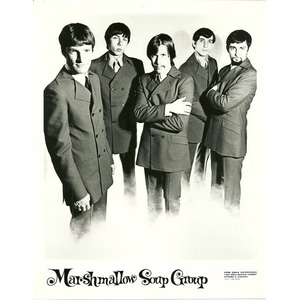
1969 - the original line-up. L to R- Dave Lemmon (R.I.P.), Ron Smith, Ken Mullen, Ron Turney & Tim Cottini (R.I.P.)
Marshmallow Soup Group
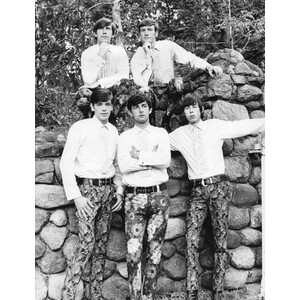
Marshmallow Soup Group (1968) - The original line-up (previously the Ethnic Souls) before moving to Ottawa - Top to Bottom- Ken Mullen, Dave Lemmon (R.I.P.), Bob Campbell, Tim Cottini (R.I.P.) & Ron Smith.
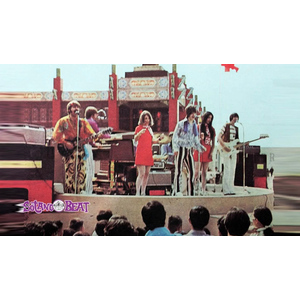
Marshamallo Soup Group in Lima Peru
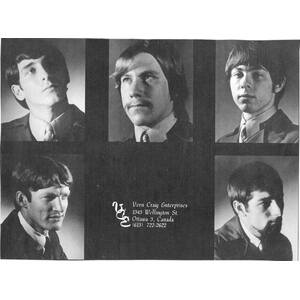
Ron Turney, Kenny Mullen, Ron Smith, Bottom Dave Lemmon (RIP) and Tim Cottini (RIP)
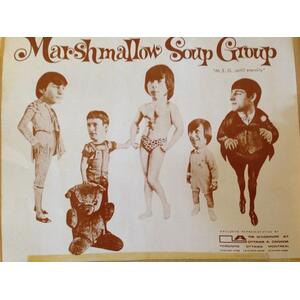
Marshmallow Soup Group (1969) - Ron Turney (guitar), Dave Lemmon (keyboards), Ron Smith (bass), Ken Mullen (vocals) & Tim Cottini (drums). R.I.P. Dave & Tim
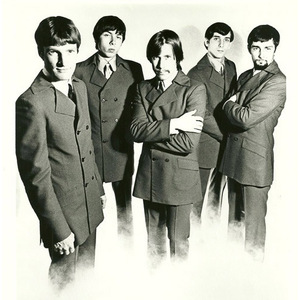
Marshmallow Soup Group
Media
Videos
0 videos
No videos available for this artist.