
Artist / Band
Tim Hus
Biography
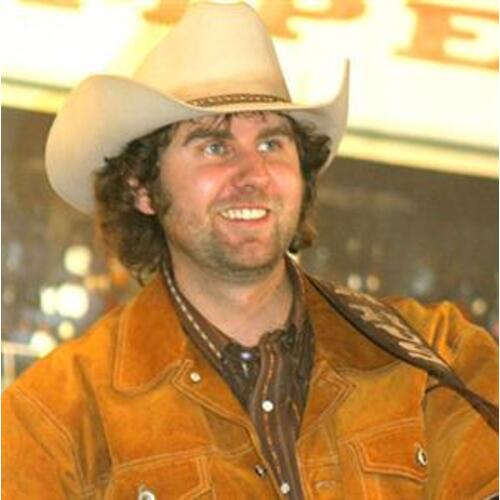
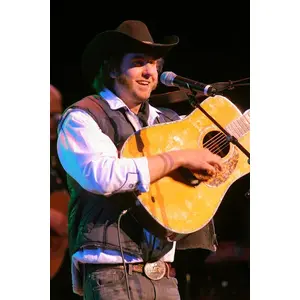
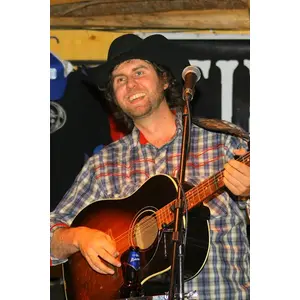
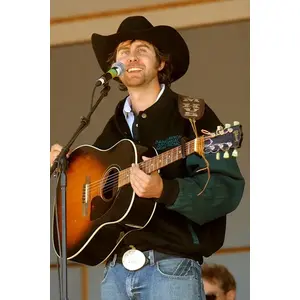
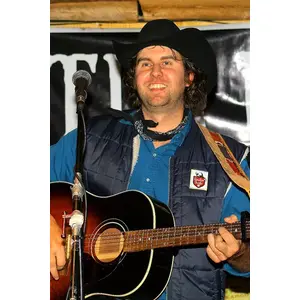
Tim Hus is a Calgary-based country and folk songwriter whose music stands among the clearest modern continuations of the Canadian story-song tradition. He calls his brand of it Canadiana cowboy music, and he writes from road level: truck drivers, miners, fishermen, steelworkers, farmers, bush pilots, trappers, rumrunners, gopher hunters and vagabonds, along with the prairie towns, northern work camps, Atlantic harbours and western highways they pass through. His songs are plainspoken, funny, rugged and proudly regional, carrying the national songwriting line of Stompin' Tom Connors forward in an unmistakably Albertan voice.
Hus was born and raised in Nelson, British Columbia, and studied fisheries at college in Nanaimo. The jobs came before the songs: tree planter, sawhand, salmon farmer, fisherman, fruit picker, pine cone picker, brewery worker, beer truck driver, well driller, cabinet maker, framer, courier, furniture mover and general labourer. It was in a B.C. logging camp, singing to his fellow workers once the chainsaws went quiet, that he first began to think he could make a life as a travelling cowboy singer. That working life gave his writing a directness that never sounds borrowed. He knows the vocabulary of tools, loads, weather and machinery, and he collected his stories in lunchrooms, truck stops, job sites and bars.
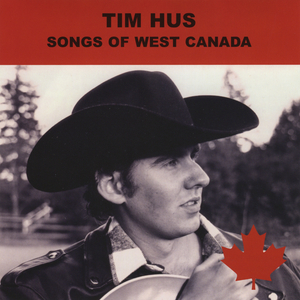
His first album, Songs of West Canada, was recorded over two days in Hamburg, Germany, in December 2001 with a Hamburg band, an unlikely birthplace for a record so rooted in western Canada. Released in 2002, its ten songs already held most of the map Hus would keep travelling: 'Craigellachie' and the building of the railway, 'Bigwood Timber', 'Gravel Pit Song', 'Seine Boat Song', 'Open Pit Mine', the Fraser Canyon trucking song 'Hells Gate Run' and 'Goin' Back To Calgary'. It also carried 'Man With The Black Hat', his salute to Stompin' Tom Connors, written years before he would stand on stage beside Connors himself.
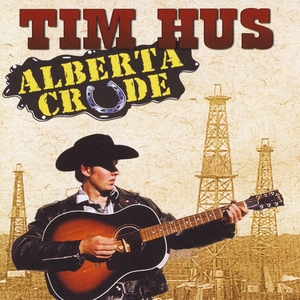
With Calgary as his home base, Hus turned his attention closely to Alberta. Alberta Crude, released on Saved By Radio Records in 2004, was made to mark the province's centennial, and in the booklet he laid out exactly what he was after: rodeo cowboys, gold seekers and gunfighters, oil riggers, vintage tractors, wildfires and the Discovery Well. The songs deliver all of it, from 'The Bullrider' and 'Hotel & Saloon' to 'One More Oil Boom', 'Dangerous Dave's Tractor Show' and 'Slocan Slim & The Kootenay Kid', a trip back to his home country. He signed off the notes the way he would sign off records to come: "Take it easy but take it." The album was recorded and mixed by Rob Smith at Rocky Mountain Recording Studio in Calgary and mastered by Richard Harrow at Canada Disc and Tape, and that Calgary team stayed with him. During the centennial celebrations, Hus represented Alberta on Parliament Hill in Ottawa.
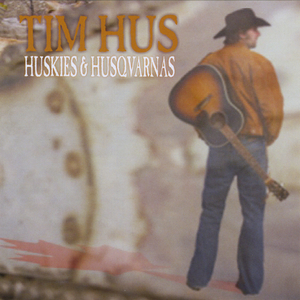
Huskies & Husqvarnas (2006) widened the map. Its booklet reads like a roadside newspaper, with a short dispatch for every song: a coast-to-coast guide to the regional "24 pint traveler," from Lucky Lager on the West Coast to Keith's in the Maritimes; 1920s rumrunners in Buick whiskey sixes outrunning the Alberta Provincial Police in their Model Fords; a pipeline love song, partly about a woman and partly about a D-9 Caterpillar; hard-rock mining in Flin Flon; and a hotel owner out on the plains who told Hus that he and bass player Spider Bishop were the first act to play the place in the seven years he had owned it. 'Hurtin' Albertan', written with Corb Lund while the two were on tour together, turned oil money into western comedy, with Lund on the CB radio. Hus printed extra verses in the booklet because the first version had missed Pilsner beer and Longview jerky. Rob Smith again recorded and mixed at Rocky Mountain Recording Studio, Richard Harrow again mastered, and Bishop and guitarist Rick Preston, billed as the Rocky Mountain Two, were covering the saloons and the mileage with him. Lund called Hus one of his favourite Canadian songwriters and said nobody captured rough-and-ready frontier imagery better.
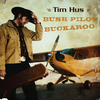
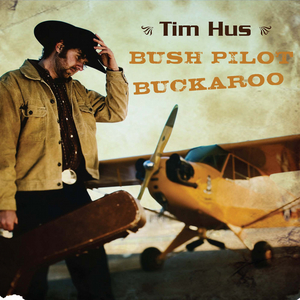
In 2008 Hus signed with Stony Plain Records, joining Ian Tyson on the Edmonton label's roster. His first album there, Bush Pilot Buckaroo, carried him onto the national roots-country circuit with songs like 'Dempster Highway', 'Cattlerack Cadillac', 'Coal Mine', 'Hockey Mom' and 'Vancouver Blues'.
Then Stompin' Tom Connors called. Connors personally invited Hus to open two national tours, and Hus and his band backed Connors on stage as well. 'Man With The Black Hat' became the song Hus used to bring Connors out to the crowd, and he was hailed as the best opening act Connors had had in more than 45 years on the road. Connors said he had spent thirty years looking for a young songwriter proud to write songs about the country, and that he wanted to pass the torch to Tim Hus. When Connors died in March 2013, Hus was a pallbearer at the private funeral in Peterborough and fronted the band at the public memorial at the Memorial Centre, broadcast on national television, where he sang 'Man With The Black Hat' once more. Afterward he wrote that he was not sure he had ever been to a licensed funeral before, and that he had shared a Moosehead with former Governor General Adrienne Clarkson.
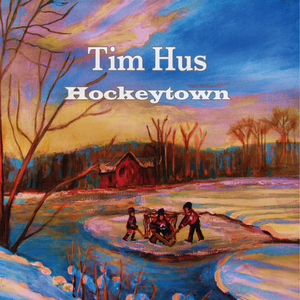
Hockeytown (2010) pushed the map from coast to coast. Co-produced with Barry Allen at Homestead Recorders in Edmonton, with further sessions at Rocky Mountain Recording Studio in Calgary, it ran from 'Canadian Pacific' and 'Red River Flood' to 'North Atlantic Trawler', 'Hamilton Steel', 'Home Of Hank Snow' and 'Talkin' Saskatoon Blues', with a detour for 'Sasquatch Hunter'. The credits list Allen on Sasquatch sounds and a dog named Cobalt on hound dog sounds. Hus took Canadian history seriously and wanted to know what made his subjects tick, and on Hockeytown the result is part character sketch, part road song and part oral history.
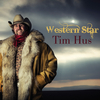
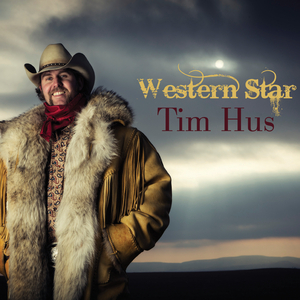
Western Star arrived in September 2013, six months after Connors' death. Recorded in Nashville with Harry Stinson producing and playing drums, it marked a decade on what Hus called the Never-Ending-Highways-Tour. Stinson brought in players who had recorded alongside Hank Snow, Bill Monroe, Flatt & Scruggs, George Jones, Marty Stuart and Stompin' Tom, and Hus set his Canadian working songs beside them: Okanagan orchards on 'Hardcore Apple Picker', bass fishing on 'Master Caster', potash mining, pheasant hunting, sailors on the Inside Passage and the 'Church Of Country Music'.
Across the catalogue, Hus's songs keep moving, by highway, railway, river, boat and bush plane, and he notices what other songwriters pass by. A beer hauler, a Flin Flon hard-rock miner, an oilpatch hand, a seine-boat fisherman, a Hamilton steelworker, a bush pilot or a prairie farmer can carry a whole song. His Canada is built from work, weather, machinery, roads and the stories people tell while getting through the day.
He has built the career the same way, one hall at a time. Hus has played more than 1,600 shows, from community halls and rural outposts to festivals, rodeos and national tours. He represented Alberta at the Smithsonian Folklife Festival in Washington, D.C., played the 2010 Winter Olympics in Vancouver, appeared on Cowboy Country Television and Alberta On My Mind, and had songs licensed for the film Hank Williams First Nation, whose soundtrack won an award in Nashville. His honours include the Country 105 Rising Superstar competition, the Calgary Folk Music Festival Songwriting Contest, songwriting recognition at the 2009 Canadian Folk Music Awards and a Roots Artist of the Year nomination at the 2011 Canadian Music Awards.
What sets Hus apart from most country revivalists is how firmly he holds to Canada. He takes the form he inherited from older country music and fills it with Canadian names, roads, jobs, weather and humour, making room for the prairies and the Maritimes, steel towns and oil towns, hockey rinks and logging roads. Few later songwriters have grasped the scale of what Connors set out to do. Hus is one of them.
Tim Hus remains one of Alberta's most distinctive country songwriters: a black-hatted road singer with a catalogue built from labour, landscape, history and humour. His music belongs to the truck stop, the Legion hall, the prairie festival, the northern highway, the fishing dock, the hockey rink and the long drive home. At his best, he turns Canadian working life into song with its rough edges intact, keeping the voices of people and places that might otherwise pass by in the dust of the highway.
-Robert Williston
Tracks
69 tracks
Songs of West Canada (2002)
10 tracks
-
Craigellachie
-
Bigwood Timber
-
Gravel Pit Song
-
Pick-Up Trucks Rodeos and Dust
-
Seine Boat Song
-
Man with the Black Hat (Stompin Tom)
-
Hells Gate Run
-
Open Pit Mine
-
Goin' Back to Calgary
-
Everybody Likes a Hank Williams Song
Alberta Crude (2004)
Showing 10 of 11 tracks
-
Alberta Crude
-
The Bullrider
-
Hotel & Saloon
-
Mountain Fire
-
Longest Stretch of Road
-
Silver in the Buckle
-
Yukon Trail
-
Dangerous Dave's Tractor Show
-
One More Oil Boom
-
Slocan Slim & The Kootenay Kid
Huskies & Huskvarnas (2006)
Showing 10 of 12 tracks
-
Beer Hauler
-
Rumrunner
-
Huskies & Huskvarnas
-
Hurtin’ Albertan (with Corb Lund)
-
So Long Saskatchewan
-
Saddle Bronc Ride
-
Pipeline
-
Great Plains Tour
-
Flin Flon
-
Train Robbers
Bush Pilot Buckaroo (2008)
Showing 10 of 12 tracks
-
Dempster Highway
-
Cattlerack Cadillac
-
Bush Pilot Buckaroo
-
Battle River
-
A Hundred Grande
-
Bakersfield Music
-
Man With The Big Hat (with Gary Fjellgaard)
-
Coal Mine
-
Hockey Mom
-
Vancouver Blues

Hockeytown (2010)
Showing 10 of 12 tracks
-
Canadian Pacific
-
Hockeytown
-
Red River Flood
-
Saskatchewan Son-of-a-Gun
-
North Atlantic Trawler
-
Hamilton Steel
-
Picture Butte Charlie
-
Sasquatch Hunter
-
Home of Hank Snow
-
Country Music Lament
Western Star (2013)
Showing 10 of 12 tracks
-
Western Star
-
Master Caster
-
Pheasant Huntin' Day
-
Church of Country Music
-
Halifax Blues
-
Forgotten Sailor
-
Inside Passage
-
Hardcore Apple Picker
-
Marietta Miner
-
Madawaska River
Discography
Featured Titles
Albums
Compilation Tracks

Gallery
Images
7 images
Tim Hus (6)
Tim Hus (4)
Tim Hus (5)
Tim Hus (2)
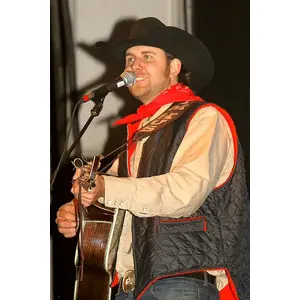
Tim Hus (7)
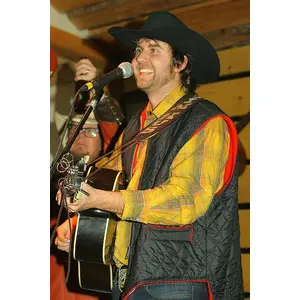
Tim Hus (1)
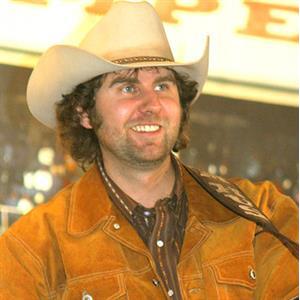
Hus, Tim
Media
Videos
4 videos