Artist / Band
Charlie Ewing
Biography
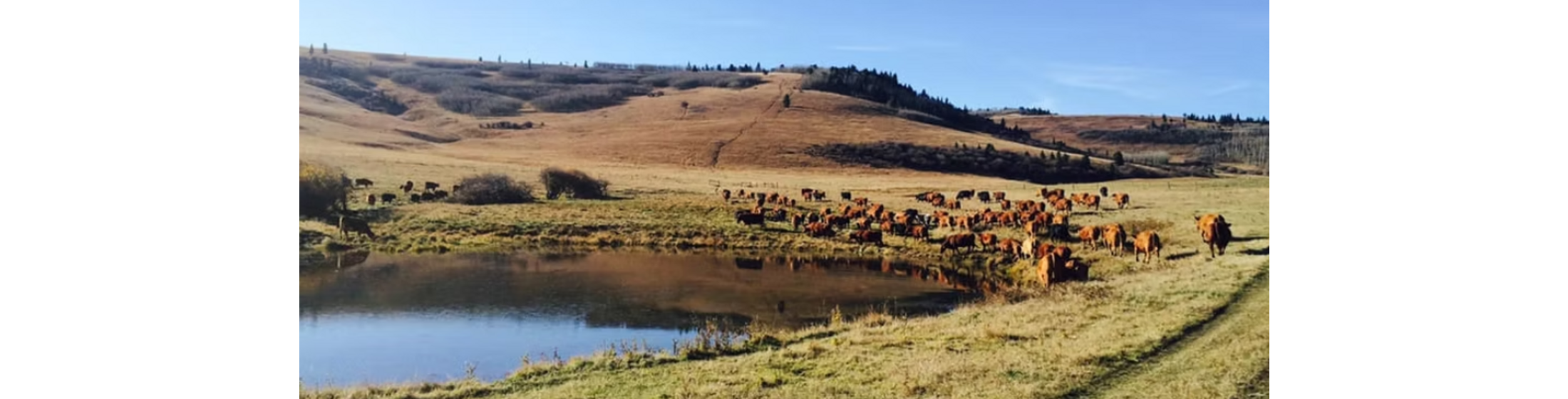
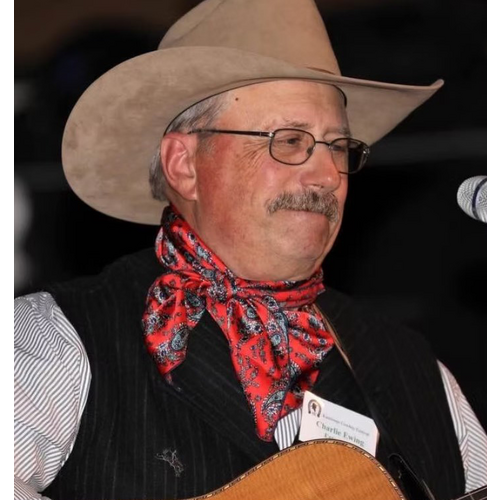
Charlie Ewing is a southern Alberta cowboy singer, songwriter, guitarist, and rancher whose music comes directly from the land, work, weather, and history of the Porcupine Hills. Born in Cutbank, Montana, in wind-swept Glacier County just south of the Canada–United States border, Ewing moved with his family to the Porcupine Hills of Alberta when he was still very young. That country, near Claresholm, became the centre of his life and the source of his songs. He spent his working years running the SN Ranch, a cow/calf operation, and his writing has remained rooted in ranch work, western history, horses, cattle, open range, and the complicated stories carried by the land itself.
Ewing’s musical life began at home. His father sang old cowboy and folk songs on a Martin 00-17 guitar, while records from his parents’ and older sisters’ collections introduced him to Pete Seeger, Burl Ives, Joan Baez, Ian & Sylvia, Peter, Paul and Mary, and Gordon Lightfoot. From there, he moved deeper into the music of Jimmie Rodgers, Woody Guthrie, and Hank Williams, absorbing the narrative directness of folk, country, and old-time song. Bluegrass and acoustic instrumentalists such as Earl Scruggs, Bill Monroe, Doc Watson, Norman Blake, and Tony Rice helped shape his interest in guitar, mandolin, and banjo, while songwriters including Lightfoot, Ian Tyson, Tom Russell, Tim O’Brien, and Guy Clark encouraged him toward his own writing.
Although ranching was his working life, music was never far away. Ewing began playing cowboy songs as a boy, first on ukulele and guitar, and over the years developed a repertoire that moved through cowboy ballads, folk songs, bluegrass, old-time music, and western historical material. His songs are not written from the outside looking in. They come from a lived relationship with ranch country: branding smoke, dogs, horses, hard weather, freight trains, old trails, and the quiet persistence of people who make their lives on the land.
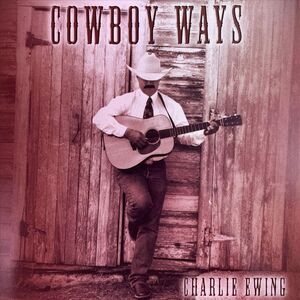
Ewing released Cowboy Ways in 2005, a collection of primarily original material that introduced him as a southern Alberta rancher-songwriter with a clear voice and a strong sense of place. The album established the themes that would continue through his work: rural memory, cowboy life, western landscapes, and the tension between tradition and change. Rather than treating cowboy music as nostalgia alone, Ewing wrote from the point of view of someone still connected to the work, culture, humour, and hardship behind the songs.
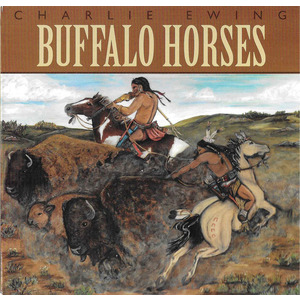
His second album, Buffalo Horses, followed in 2012. The record broadened his writing into songs about cowboys, Indigenous history, open country, travel, memory, and belonging. Songs such as ‘Buffalo Horses’, ‘Whoop Up Trail 1875’, ‘Cowboys Need Cattle’, ‘Freight Train Take Me’, ‘Deadwood South Dakota’, and ‘To These Hills (Erin’s Song)’ reflect Ewing’s interest in western history and the stories embedded in the landscape. The album also showed his range as a musician, with acoustic guitars, high-strung guitar, mandolin, clawhammer banjo, fiddle, pedal steel, accordion, dobro, bass, drums, and harmony vocals supporting his plainspoken vocal style.
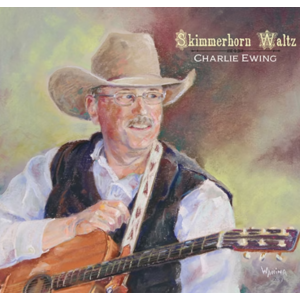
Ewing’s later album Skimmerhorn Waltz brought the focus even closer to home. Named for Skimmerhorn, a butte in the Porcupine Hills, the album draws from the country where Ewing grew up, worked, and wrote. Songs including ‘Wild Wild Horses’, ‘Vaquero’, ‘Working Cowdog Blues’, ‘Ballad of Charlie Owens’, ‘Memory Mountains’, ‘When the Bluegrass Turns Green’, ‘To These Hills’, ‘Belle of Buffalo’, ‘Old Cheyenne’, and ‘Skimmerhorn Waltz’ continue his blend of cowboy song, folk ballad, bluegrass colour, and western storytelling. The album was produced by Ben Crane and recorded at Jinglebob Music Studio in Eckville, Alberta, with contributions from musicians including Raymond Klassen, Jeff Taylor, Kent Wells, Larry Delawder, Jessica Oracheski, Bruce Hoffman, Craig Bignell, and Jim Loessberg.
As a performer, Ewing has appeared solo, in duo settings, and with bluegrass and western music ensembles. His association with the Alberta cowboy music and poetry community places him within a living tradition of performers who preserve and renew western storytelling through song. He is not a commercial country singer in the modern Nashville sense, but a working Alberta rancher whose music belongs to the same world it describes.
Charlie Ewing’s songs carry the sound of southern Alberta ranch country without exaggeration or affectation. His writing is direct, historical, personal, and deeply regional, shaped by the Porcupine Hills, the SN Ranch, and a lifetime spent close to cattle, horses, weather, family, and western memory. In that sense, he stands as one of Alberta’s authentic cowboy songwriters: a musician whose work documents not only a style of music, but a way of life.
-Robert Williston
Tracks
35 tracks
Cowboy Ways (2005)
Showing 10 of 11 tracks
-
Vaquero
-
BSE Blues
-
Cherokee Shuffle
-
Cowboy Ways
-
The Curse of the Lost Lemon Min
-
Skimmerhorn Waltz
-
Where the Country Never Ends
-
Memory Mountains
-
Windy Bill
-
Mama Cow Blues
Buffalo Horses (2012)
Showing 10 of 12 tracks
-
Buffalo Horses
-
Song for the Wild
-
Panhandle Rag
-
Whoop Up Trail
-
Cowboys Need Cattle
-
Orla's Reel
-
Bessie's Blues
-
Freight Train Take Me
-
Deadwood South Dakota
-
'Lectronic Cowboy Blues
Skimmerhorn Waltz (2020)
Showing 10 of 12 tracks
-
Wild Wild Horses
-
Wavin' in the Wind
-
Vaquero
-
Working Cowdog Blues
-
Ballad of Charlie Owens
-
Memory Mountains
-
When the Bluegrass Turns Green
-
To These Hills
-
Made in Asia Blues
-
Belle of Buffalo
Discography
Featured Titles
Albums
Gallery
Images
1 image
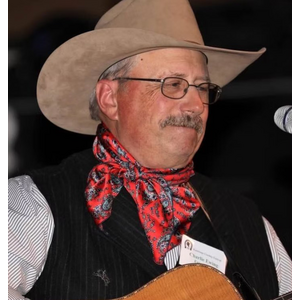
Charlie Ewing
Media
Videos
1 video