Artist / Band
Spirit of the West
Biography
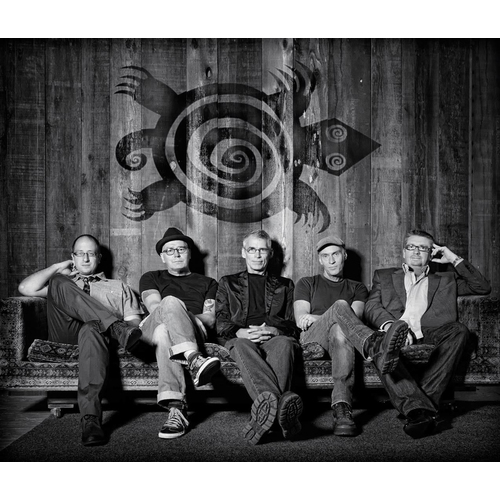
Spirit of the West were a Canadian folk-rock band from North Vancouver whose career traced one of the most distinctive arcs in modern Canadian music: from acoustic folk clubs and independent releases in the mid-1980s to arena-adjacent alternative rock success in the 1990s, followed by a long coda shaped by community, endurance, and resilience.
The group’s core identity was built around three musicians — vocalist and guitarist John Mann, multi-instrumentalist Geoffrey Kelly, and guitarist J. Knutson — whose early work blended traditional folk forms, politically alert songwriting, and a growing interest in rhythm-driven Celtic material. From the outset, Spirit of the West occupied a space between folk tradition and contemporary urgency, drawing equally from protest song, British folk revival, and emerging alternative rock energy.
Early formation and independent beginnings (1983–1986)
Kelly and Knutson initially performed together as a duo in Vancouver, playing folk-oriented material shaped by artists such as Bruce Cockburn, Eric Bogle, Richard Thompson, and Billy Bragg. Through a personal connection, they were introduced to John Mann, then a theatre student with a powerful and expressive singing voice. The trio formed under the name Eavesdropper, performing around British Columbia and opening for local and national acts including Art Bergmann and Barney Bentall.
After a misbilling as “Eavesdroppings” at a Vancouver Island show, the group opted to change its name to Spirit of the West, a choice that reflected both their west-coast roots and their interest in tradition filtered through a contemporary lens. In 1984, they independently released their self-titled debut album, documenting the group in its earliest acoustic configuration.
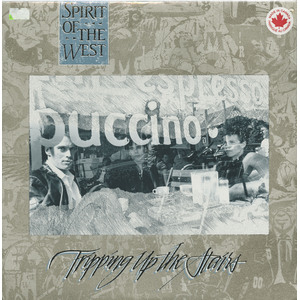
Signing with Edmonton-based Stony Plain Records, a label known primarily for blues and roots artists, positioned the band slightly outside the mainstream folk circuit. Their first Stony Plain release, Tripping Up the Stairs (1986), expanded their sound through the integration of jigs and reels into original songs, while retaining a stripped-down ensemble feel. The album captured a transitional moment: folk-club intimacy paired with an emerging rhythmic insistence that would soon reshape the band.
Shortly after the album’s release, Knutson departed the group. He was replaced by Hugh McMillan, whose arrival marked a decisive shift in Spirit of the West’s musical direction.
Breakthrough and consolidation (1987–1989)
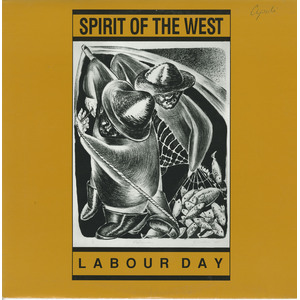
With McMillan onboard, Spirit of the West recorded Labour Day (1988), an album that crystallized their identity and brought them national attention. The record balanced traditional instrumentation with sharper political commentary and more forceful arrangements, most notably on the song ‘Political’, which became the band’s first widely recognized anthem.
Labour Day established Spirit of the West as a major presence on the Canadian folk-festival circuit while also attracting audiences beyond it. The album earned the group its first Juno Award nomination (Best Roots & Traditional Album, 1989) and remains a cornerstone of their catalogue.
During the Labour Day touring cycle, McMillan briefly stepped away from the band in late 1988 for personal reasons. Daniel Lapp and Linda McRae filled in during this period; McRae would become an important contributor to the group’s next phase, while Lapp ultimately did not appear on any studio recordings.
Major-label transition and sonic expansion (1990–1992)
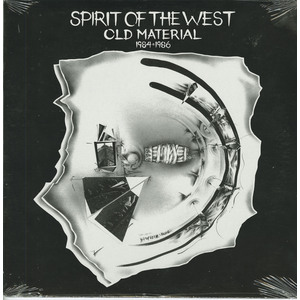
On the strength of Labour Day and ‘Political,’ Spirit of the West signed with Warner Bros. Records in 1989. Stony Plain closed out its relationship with the band by issuing the retrospective Old Material 1984–1986, documenting the group’s early years.
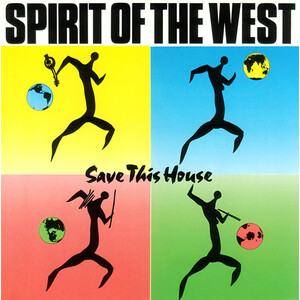
The band’s major-label debut, Save This House (1990), marked a turning point. While still grounded in folk forms, the album leaned decisively toward a fuller, more rock-oriented sound. The song ‘Home for a Rest’, never formally released as a commercial single, became the group’s defining composition — a staple of Canadian campus culture, wedding dances, and communal sing-alongs that has endured far beyond its original context.
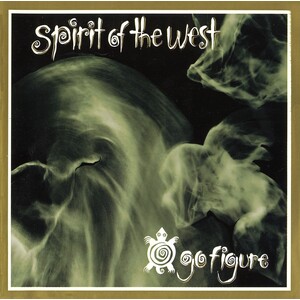
Touring in the UK with The Wonder Stuff, and sharing bills with bands such as Jane’s Addiction, pushed Spirit of the West toward further amplification. Recognizing the need for a permanent drummer, the band experimented with session players before recruiting Vince Ditrich, who made his recorded debut on Go Figure (1991).
Although Go Figure divided some longtime fans — particularly due to its electrified reworking of ‘Political’ — it also broadened the band’s audience within Canada’s alternative rock scene. The group received a Juno nomination for Most Promising Group in 1991, reflecting their growing national profile.
Peak years and orchestral ambition (1993–1996)
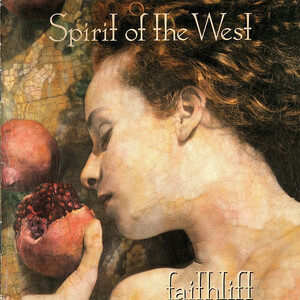
Spirit of the West reached their commercial and critical peak with Faithlift (1993), which produced their most successful single, ‘And If Venice Is Sinking’. The album balanced immediacy with emotional depth and remains one of the most widely regarded Canadian releases of the decade.
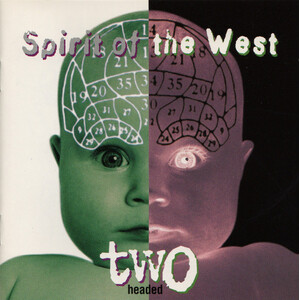
Its follow-up, Two Headed (1995), generated substantial airplay — particularly for ‘Tell Me What I Think’ — and earned the band a Juno nomination for Group of the Year. While it did not match Faithlift’s impact, the album confirmed Spirit of the West as a durable national act.
In parallel, the band began collaborating with symphony orchestras, culminating in Open Heart Symphony (1995), recorded with the Vancouver Symphony Orchestra and broadcast nationally. These performances highlighted the compositional strength of the band’s material and its adaptability beyond standard rock contexts.
At the end of 1996, Linda McRae departed amicably to pursue a solo career, closing a significant chapter in the band’s development.
Later years, hiatus, and legacy (1997–2019)
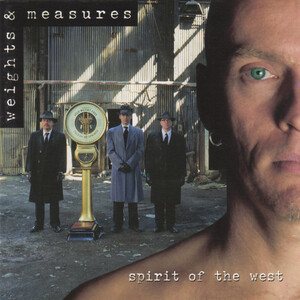
The remaining members recorded Weights and Measures (1997) in England, collaborating with musicians connected to Fairport Convention, Capercaillie, and The Wonder Stuff. Despite strong material, shifting industry priorities led Warner Bros. to drop the band shortly after the album’s release.
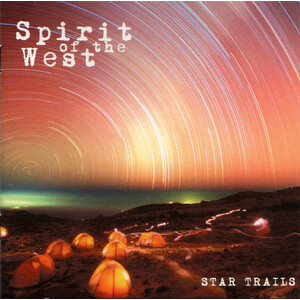
Following this period, Spirit of the West entered a prolonged phase of reduced activity, continuing to perform selectively while members pursued solo projects and collaborations. A full studio return came with Star Trails (2004), released on MapleMusic Recordings.
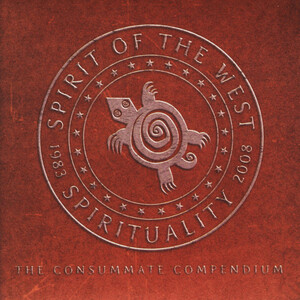
In 2008, the career-spanning compilation Spirituality 1983–2008 marked the band’s 25th anniversary, accompanied by a landmark concert at Vancouver’s Commodore Ballroom and a renewed public appreciation for their body of work.
In 2014, John Mann publicly revealed his diagnosis of early-onset Alzheimer’s disease. Determined to continue performing, the band adapted its live shows while rallying around Mann. Their final concerts, staged at the Commodore Ballroom in April 2016, became communal celebrations involving friends, collaborators, and peers from across Canadian music.
Mann passed away on November 20, 2019. Spirit of the West’s legacy endures not only through recordings, but through the communal spirit their music fostered — songs designed to be sung together, argued over, danced to, and carried forward.
-Robert Williston
Lineups
1983–1984
Eavesdropper (pre–Spirit of the West)
John Mann: vocals, guitar
Geoffrey Kelly: flute, bodhran, vocals
J. Knutson: guitar, vocals
1984
Spirit of the West
(Spirit of the West LP)
John Mann: vocals, guitar
Geoffrey Kelly: flute, bodhran, vocals
J. Knutson: guitar, vocals
1986
Spirit of the West
(Tripping Up the Stairs LP)
John Mann: vocals, guitar
Geoffrey Kelly: flute, bodhran, vocals
J. Knutson: guitars, bass, bouzouki, mandolin, vocals
Additional musicians (studio)
Ann Leader: keyboards
Jack Duncan: congas
Barry Muir: fretless bass
1987–1988
Spirit of the West
John Mann: vocals, guitar
Geoffrey Kelly: flute, bodhran, vocals
Hugh McMillan: bass, octave mandolin
1988
Spirit of the West
(Labour Day LP)
John Mann: vocals, guitar
Geoffrey Kelly: vocals, flute, whistle, bodhran, harmonica
Hugh McMillan: bass, octave mandolin, synthesizer
Additional musicians (studio)
Jim McGilveray: percussion
John Jones: mandolin
Alan Prosser: electric guitar
December 1988 – mid-1989 (touring configuration)
John Mann: vocals, guitar
Geoffrey Kelly: vocals, flute, bodhran
Daniel Lapp: fiddle, mandolin (touring only)
Linda McRae: vocals, accordion (touring; later full member)
1989–1996
Spirit of the West (expanded lineup)
John Mann: vocals, guitar
Geoffrey Kelly: vocals, flute, bodhran
Hugh McMillan: bass, mandolin
Linda McRae: vocals, accordion, guitar
Vince Ditrich: drums
1997
Spirit of the West
(Weights and Measures)
John Mann: vocals, guitar
Geoffrey Kelly: vocals, flute
Hugh McMillan: bass
Vince Ditrich: drums
Touring addition
Tobin Frank: guitar
2004–2013
Spirit of the West
John Mann: vocals, guitar
Geoffrey Kelly: vocals, flute
Hugh McMillan: bass
Vince Ditrich: drums
Tobin Frank: guitar
2014–2016 (final years)
John Mann: vocals
Geoffrey Kelly: vocals, flute
Hugh McMillan: bass
Vince Ditrich: drums
Tobin Frank: guitar
Matthew Harder: guitar (joined full-time following Mann’s diagnosis)
Additional drummers (final shows)
Kris MacFarlane
Pat Steward
Post-band / legacy appearances
Various reunion and benefit performances included guest appearances by former members and long-time collaborators, including Linda McRae and Daniel Lapp, depending on event.
Tracks
56 tracks
-
Aberdeen
-
To a Highlander Unknown - Drowsy Maggie
-
The Lass from Gallowa
-
The Only Child
-
John Goodman
-
The Walker Spread (Live)
-
The Rocks at Thieves Bay
-
Doin' Quite Alright
-
Down on the Dole
-
Without a Trace
Tripping Up the Stairs (1986)
10 tracks
-
An Honest Gamble Jig - Tripping Up the Stairs
-
Our Station
-
Peacetime
-
Room Without a View (Stella)
-
The Crawl
-
Homelands Jigs: The Kesh; The Blackthorn Stick
-
The Mists of Crofton
-
'Till the Cows Come Home
-
When Rivers Rise
-
Be Right Reel: Pigeon on the Gate
-
Spirit Of The West - People of the Frozen North
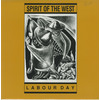
Labour Day (1988)
9 tracks
-
Dark House
-
Political
-
The Profiteers
-
The Hounds that Wait Outside Your Door
-
Run Boy
-
Drinking Man
-
Expensive - Cinema of Pain
-
Gottingen Street
-
Take it from the Source
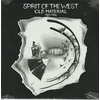
Old Material: 1984-1986 (1989)
5 tracks
-
Aberdeen
-
Ships in Full Sail
-
Be Right
-
Time to Ring Some Changes
-
General Guiness
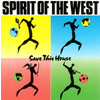
Save This House (1990)
10 tracks
-
Save This House
-
Home For a Rest
-
Last to Know
-
Roadside Attraction
-
Dirty Pool
-
Not Just a Train
-
(Putting Up With) The Joneses
-
Wrecking Ball
-
Swingin' Single
-
The Old Sod
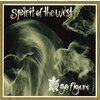
Go Figure (1991)
Showing 10 of 11 tracks
-
D for Democracy (Scour the House)
-
Big Head
-
Spot the Difference
-
Pulling Lame
-
Let's Make a Mystery
-
Goodbye Grace
-
Just Another Day
-
Polaroid
-
Political
-
Ship Named Frank
Discography
Featured Titles
Albums
Compilation Tracks

Album Various Artists
Gallery
Images
1 image
Spirit of the West
Media
Videos
2 videos