Information/Write-up
“These songs didn’t come easily. After stepping away from writing, I wasn’t sure I’d ever return. But with encouragement from my wife Joanne and friends in Nashville and beyond, I found my way back.”
Special Girl (2025):
Includes a new version of my 1984 track, “Special Girl”, and I can’t thank Maestro Lou Pomanti, and Sonic Mastermind Roger Moutenot enough for their beautiful work. For those who know the original, it’s a little bit of a departure, but as always, it’s all about the song.”
We Win:
Years ago I wrote a song called ‘No Refuge‘. Now here I am, almost a lifetime later, and this song, ‘We Win’ is about something I’ve learned over these many years. There certainly is refuge … if you only know where to find it.”
-Eddie
Eddie Schwartz bio:
Eddie Schwartz stands as one of Canada’s most accomplished songwriters and producers, a behind-the-scenes architect of pop and rock radio across five decades. Born in Toronto in 1949, Schwartz’s artistic development took shape in parallel with the explosive growth of Canada’s modern music industry. By his early twenties he was active on the local studio and club circuits, absorbing classical training, jazz harmony, and the pop craftsmanship of the era’s best writers. That eclectic foundation would soon define a career marked by durability, melodic intelligence, and an uncommon ability to write songs that translated across borders and genres.
Schwartz first emerged publicly as a recording artist in the late 1970s after signing with A&M Records. His debut album, Schwartz (1980), introduced a clean, guitar-driven sound paired with warm, soulful vocals. The follow-up, No Refuge (1981), delivered the breakthrough: “Special Girl,” a shining slice of pop-rock that became a major Canadian hit and later an international chart success through recordings by America, Eli Ingram, and others. Schwartz’s version remains a staple of early-’80s CanRock and one of the decade’s defining crossover singles. His third A&M album, Public Life (1984), broadened his palette with more contemporary production touches and further established his dual identity as both recording artist and sought-after songwriter.
Even as his own records earned wide airplay, Schwartz rapidly became known for his writing for other performers. His melodic instincts and ability to frame emotional narratives made him a natural collaborator across the pop, rock, AOR, and country spheres. Over the next four decades, his songs were recorded by a remarkable range of artists: Joe Cocker, Donna Summer, Rita Coolidge, Paul Carrack, America, Robert Palmer, Mountain, Lawrence Gowan, and many more. His work as a producer also expanded during this period, contributing to projects such as the Doobie Brothers’ reunion album Cycles and a number of critically regarded Canadian and American releases.
The greatest of these successes arrived in 1981 when Pat Benatar recorded “Hit Me With Your Best Shot,” a song Schwartz had written in a burst of inspiration two years earlier. The single became Benatar’s first Top 10 hit in the United States, eventually achieving platinum status and entering the global rock canon. Its longevity has been extraordinary: the song has been re-interpreted by artists ranging from Martina McBride to Dolly Parton, embedded into film and television through the Glee and Pitch Perfect franchises, and licensed across sports, comedy, and musical theatre. It remains one of the most widely recognized rock hooks of its era — an anthem familiar even to listeners who may not know its author by name.
Schwartz’s later compositions continued that momentum: “Don’t Shed a Tear” became a Top 10 hit for Paul Carrack in 1987; “The Doctor” returned the Doobie Brothers to the Top 10 in 1989; and songs such as “I Stand in Wonder,” “Fascination,” “Two Wrongs,” and “Look What’s Showing Through” were embraced by performers across the U.S., Canada, Europe, and Japan. His catalogue ultimately grew to more than 200 commercially released recordings, many of which achieved international charting in the pre-digital era.
His success as a creator was matched by his growing influence as an advocate. A longstanding proponent of fair compensation, transparency, and global rights protections for songwriters and composers, Schwartz became one of the most recognizable voices in the music-creator community. He served as president of the Paris-based International Council of Music Creators (CIAM) and chaired Music Creators North America, helping modernize the international rights framework at a critical time when digital technology was reshaping the economics of songwriting. His work contributed directly to policy reforms, collective bargaining advancements, and wider public understanding of the role and value of songwriters.
Recognition followed across multiple fronts. Schwartz is a Member of the Order of Canada, a distinction given for outstanding achievement and service to the nation, and an inductee of the Canadian Songwriters Hall of Fame. He is a multiple JUNO Award recipient, a multi-BMI Award winner (including Pop, Rock, and Million-Air citations), and the recipient of SOCAN’s prestigious Cultural Impact Award — each honour reflecting both the commercial reach of his catalog and the lasting artistic impact of his music.
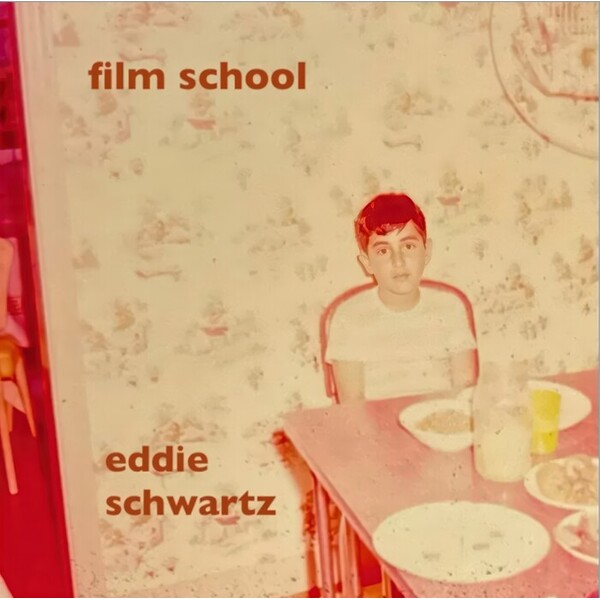
After decades primarily focused on writing and producing for others, Schwartz saw renewed attention to his own recordings in the 2020s. That resurgence inspired him to return to solo work with a series of new singles — “Outbound Train,” “Waters Rise,” “We Win” — culminating in a new 2025 version of “Special Girl,” recorded with the perspective and subtlety of a veteran creator revisiting an early triumph. His EP Film School followed, earning praise for its warm production values, narrative depth, and the unmistakable melodic craftsmanship that has carried through his entire career.
Today, Eddie Schwartz remains an active and forward-looking figure. Whether writing, producing, mentoring, or advocating, he continues to shape the landscape of contemporary songwriting. His catalog — spanning more than 65 million physical sales in the pre-streaming era alone — speaks not only to the scale of his achievements but to the enduring appeal of songs built on honesty, clarity, and emotional resonance. Few Canadian songwriters have had a broader or more lasting global reach, and fewer still have matched that artistic contribution with an equal commitment to improving the lives and rights of creators everywhere.
-Robert Williston
No Comments