
Phonodisc
Phonodisc: Canada’s Great Licensing Powerhouse
Phonodisc entered the Canadian record industry later than most of its competitors, launching in April 1956 under the leadership of Don McKim. By the mid-1950s, the Canadian market was already crowded with established majors and quasi-majors—Capitol, Columbia, Compo, RCA Victor, Quality, and others—each with entrenched distribution networks and strong ties to international catalogues. On paper, there was little reason to expect a new independent distributor to thrive.
Yet for more than a decade, Phonodisc did exactly that.
Rather than attempting to compete through domestic recording volume, Phonodisc built its business around strategic licensing, positioning itself as one of the most effective conduits for American and British music into Canada during the rock ’n’ roll, R&B, and soul explosion of the late 1950s and 1960s. One of the slogans printed on its early 45 sleeves—“One Hit Leads to Another from Phonodisc”—was not idle marketing. It accurately described the company’s operating model.
King, Del-Fi, and the Foundations of Success
Among Phonodisc’s earliest and most important affiliations was King Records of Cincinnati, founded by Syd Nathan. Through King, Phonodisc controlled Canadian distribution for a catalogue that defined American rhythm and blues and early soul. This included James Brown and The Famous Flames, Hank Ballard, Freddie King, Earl Bostic, Bill Doggett, Billy Ward and His Dominoes, and Little Willie John—artists whose records were not merely popular, but foundational to postwar Black American music.
Equally important was Phonodisc’s relationship with Bob Keane’s Los Angeles–based Del-Fi/Donna/Mustang group, which brought Ritchie Valens into Canada at the peak of his influence, along with Ron Holden, Johnny Crawford, and later the Bobby Fuller Four. These records were staples of Canadian radio and teenage record collections, and they established Phonodisc as a distributor capable of breaking major hits.
By the early 1960s, Phonodisc had assembled a remarkably broad licensing portfolio. Audio Fidelity supplied a massive catalogue of sound-effects and demonstration LPs; Kapp/Congress delivered pop, early British beat, and MOR hits; Warwick contributed instrumental rock and dance material; Sue Records added deep soul and R&B; and Jubilee and Carlton rounded out the roster with pop and crossover artists such as Jack Scott, Merv Griffin, and Anita Bryant. In 1968, Phonodisc further expanded its reach by signing a Canadian licensing deal with Britain’s Pye Records, bringing The Kinks’ catalogue north of the border.
Chess, Chicago, and the Soul Explosion
One of Phonodisc’s most significant coups came when it secured Canadian rights to the Chess/Checker/Argo family of labels, wresting them from Quality Records. This move placed Chuck Berry, Bo Diddley, the Ramsey Lewis Trio, and numerous Chicago soul artists under Phonodisc’s distribution umbrella. Records like “The In Crowd” and “Let Me In” performed strongly in Canada, reinforcing the company’s reputation as a hit-driven distributor with a deep understanding of radio and retail.
But even Chess paled beside what came next.
Motown and the Ron Newman Factor
Phonodisc’s most historically important relationship was its role as Motown’s original Canadian distributor. When Berry Gordy Jr. launched Tamla in Detroit with a family loan of just $800, few outside Michigan grasped the company’s future potential. Phonodisc did—and crucially, so did its head of promotion, Ron Newman.
Newman was one of the great personalities of the Canadian record industry: charismatic, tireless, and instinctively gifted at radio promotion. His ability to build genuine relationships with disc jockeys across the country made him invaluable, particularly as Motown’s early roster—Smokey Robinson & The Miracles, Stevie Wonder, Marvin Gaye, Barrett Strong, The Marvelettes—began producing hit after hit.
Phonodisc’s promotional success during this period was so pronounced that Billboard ran a December 1968 feature describing the company as “David Among Goliaths.” Motown eventually grew large enough to establish its own Canadian operation, but by then Phonodisc had already played a central role in shaping how soul and R&B entered the Canadian mainstream.
Newman’s legend extended well beyond the office. His son, Garry Newman, later President of Warner Music Canada, recalled growing up surrounded by promotional records—and by Motown artists themselves. Family gatherings at the Newmans’ Stouffville farm reportedly featured basement performances by The Temptations and visits from Lionel Richie and The Commodores, an almost surreal reflection of how closely Canadian distributors could intersect with global music history during the industry’s golden age.
Canadian Releases and the End of an Era
Although Phonodisc did issue recordings by Canadian artists—including The Munks, Tommy Ambrose, Peter Pringle, Figgy Duff, and Belinda Metz—the company was never structured as a domestic artist-development label. Its strength lay in licensing and distribution, not in building Canadian catalogues from the ground up. As the industry consolidated in the 1970s and multinational labels absorbed or displaced independent distributors, Phonodisc’s model became increasingly difficult to sustain.
The company opened a New York office in the 1970s, but by the early 1980s, Phonodisc quietly closed its doors.
Legacy
Phonodisc’s legacy is not defined by a single genre or artist, but by access. For more than a decade, it functioned as one of Canada’s most important gateways to American and British popular music, delivering soul, R&B, rock ’n’ roll, pop, and British beat records to Canadian radio and retail at precisely the moment those sounds were reshaping youth culture.
In an era before multinational dominance, Phonodisc demonstrated how a smart, aggressively run Canadian independent could compete with the majors—not by scale, but by taste, timing, and relationships.
Tracks
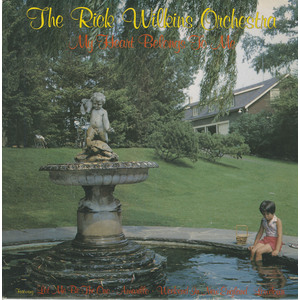
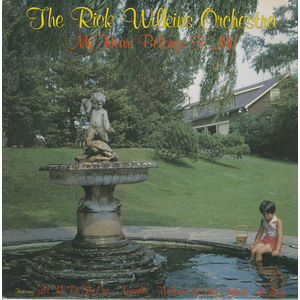
My Heart Belongs to Me
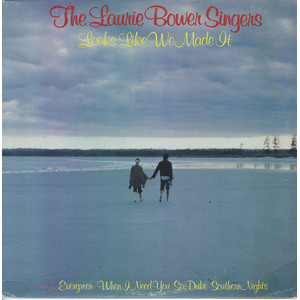
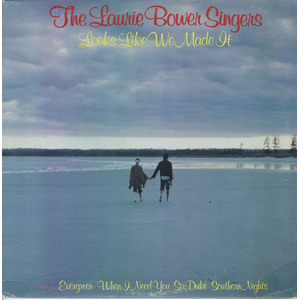
Looks Like We Made It
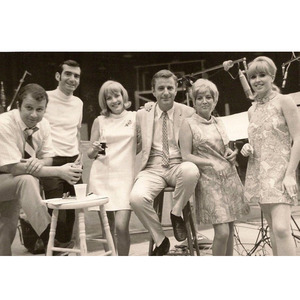
Laurie Bower Singers
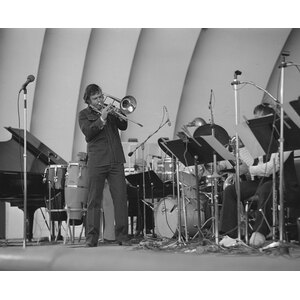
McConnell, Rob and the Boss Brass

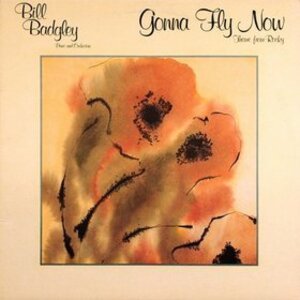
Badgley, Bill
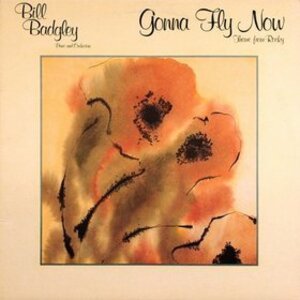
Gonna Fly Now: Theme From Rocky
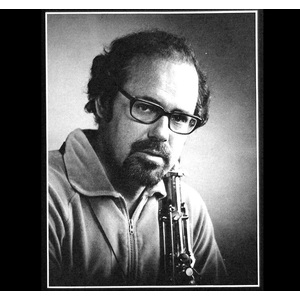
Wilkins, Rick
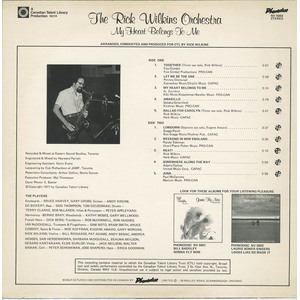
Rick Wilkins - My Heart Belongs to Me NM BACK
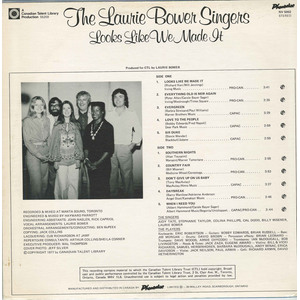
Laurie Bower Singers - Looks Like We Made It BACK
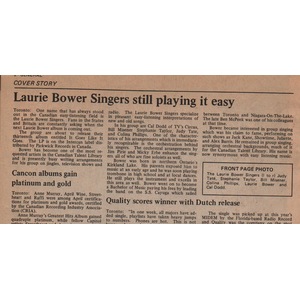
Laurie Bower Singers
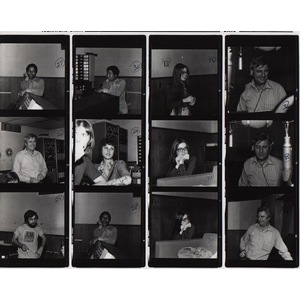
Laurie Bower Singers
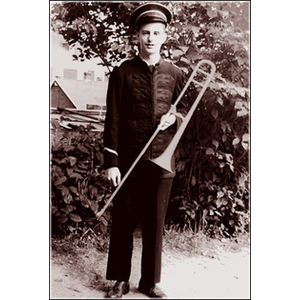
Laurie Bower
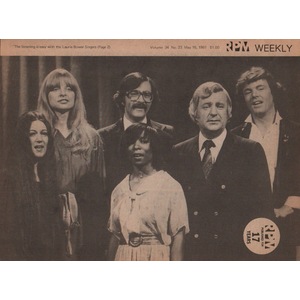
Laurie Bower Singers
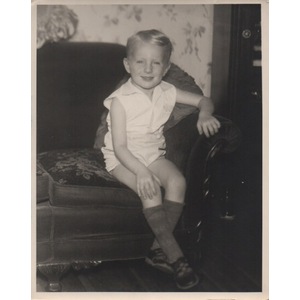
Laurie Bower
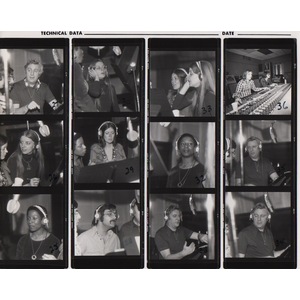
Laurie Bower Singers
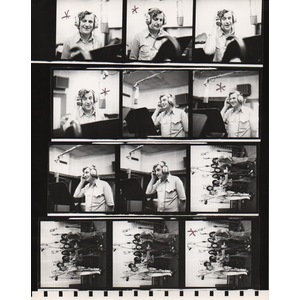
Laurie Bower Singers
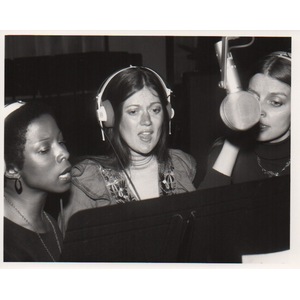
Laurie Bower Singers
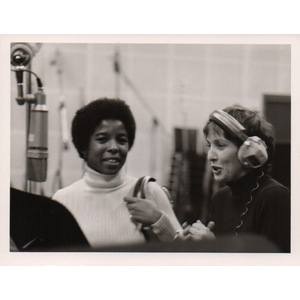
Laurie Bower Singers
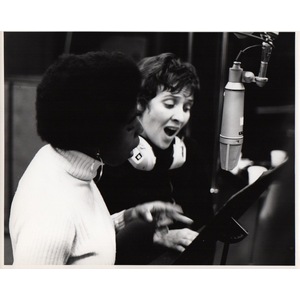
Laurie Bower Singers

Laurie Bower Singers
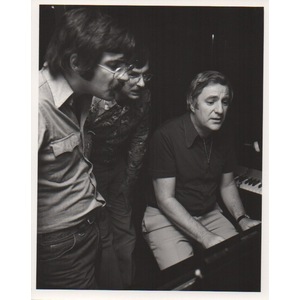
Laurie Bower Singers
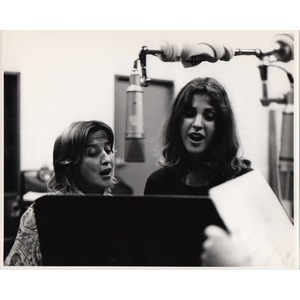
Laurie Bower Singers
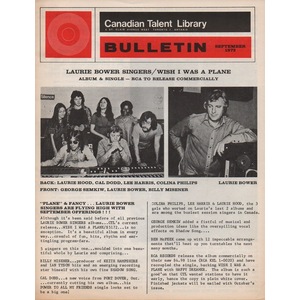
Laurie Bower Singers
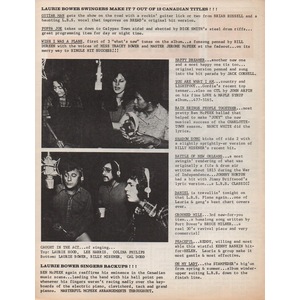
Laurie Bower Singers
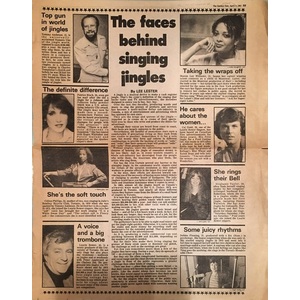
Laurie Bower Singers
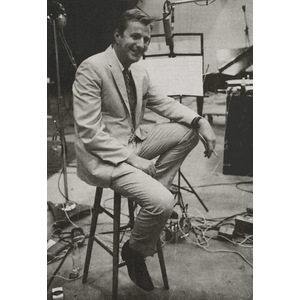
Laurie Bower

Laurie Bower
No Comments