
Judy Tate: Canada’s Hidden Voice
Judy Tate: Harmony, Humour, and the Hidden Life of a Studio Singer By Robert Williston, Nov 21, 2025
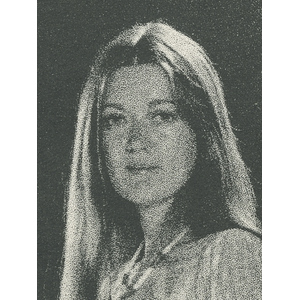
Judy Tate grew up in a house where music was more a language than an activity. Her mother, Jean Campbell, was a gifted pianist with a full contralto voice and a repertoire that ran from Scottish airs to classical pieces to whatever pop songs were drifting through Toronto at the time. Jean played at the Silver Rail, the club across from Massey Hall where symphony musicians and choral singers dropped in after concerts to “sing along with Jeannie.” Tate absorbed harmony almost by osmosis, listening to her mother entertain a room or fill the house with music; by the time she was old enough to understand what her future might hold, it was already clear she was born into it.
She sang professionally before she understood the shape of the profession. In the late 1960s she worked as the vocalist in a stripped-down piano-and-drums duo at Maloney’s, a small Toronto room that—unknown to her then—was a hangout for advertising people and studio musicians. One afternoon, driving to the gig, she heard singers on the radio doing commercials—though she didn’t yet know the word jingle—and felt a sudden jolt of recognition. “I thought to myself, I could do that.” That impulse changed her life.
A few nights later, saxophonist Eugene Amaro walked into Maloney’s, listened for a while, and told her exactly how the business worked. “Make a tape and send it to Laurie Bower,” he said. She didn’t know who Laurie was. She didn’t know what a contractor was. She had no connections, no entrée into the world she was about to join. But she put together a reel-to-reel demo, listed her range, mentioned she could sight-read anything put in front of her, and mailed it off.
The phone rang almost immediately. “Is this Judy Tate? Can you be downtown at nine o’clock?” It was 7:30 in the morning. She asked where RCA even was. By nine she was standing in a studio beside a group of hardened pros, following Laurie from one jingle session to the next, suddenly inside the world she had only imagined from the radio. One of the singers hired that day had gone into labour—Colina Phillips, who would later become one of her dearest friends. They didn’t meet then, but it was Colina’s son’s birth that opened the door to Tate’s entire studio career.
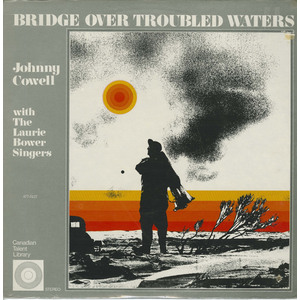
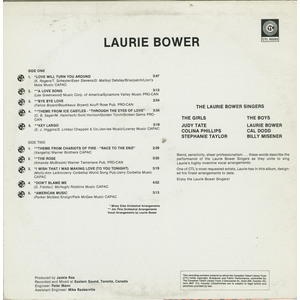
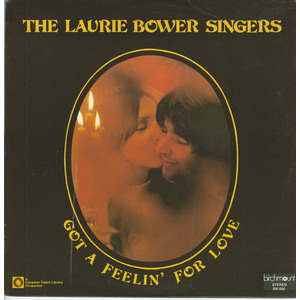
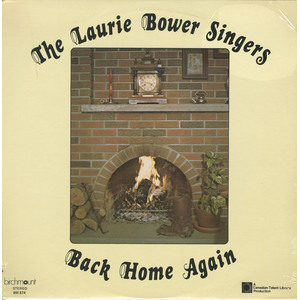
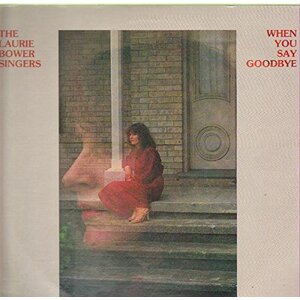
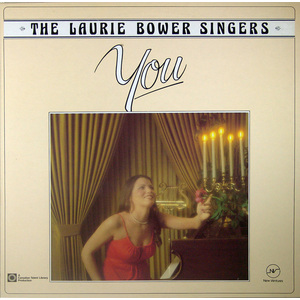
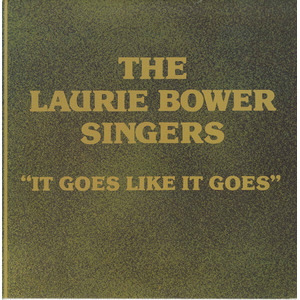
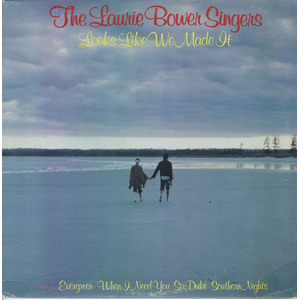
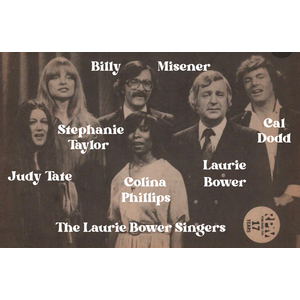
By 1970 or 1971 she was part of the Laurie Bower Singers, dropped into one of the tightest, most sophisticated vocal units Canada ever produced. She was not one of the original members; she came in after Laurie Hood left, bringing with her the qualities the group needed most: a clean, bright, precise voice, flawless intonation, ironclad sight-reading, and the ability to blend with anyone. “I had the right light voice for the time,” she said. “I was a good blender.” Her voice slid between the power of Colina Phillips, the finesse of Patty Van Evera, the warmth of Bill Misener, and the drive of Elaine Overholt. She could be air or she could be glue, whatever the arrangement required.
The studio scene she entered was the golden age of Toronto recording: Manta, Eastern, RCA, Sound Canada, Phase One. Huge rooms, full orchestras, strings from the symphony, brass sections, sections of woodwinds and reeds. Hours-long jingle days and album dates that ran 10–1, 2–5, 6–9 with barely enough time for a sandwich. “Three sessions a day,” she remembered, “and by the end we’d just be on the floor laughing.” Those sessions—tight harmonies around a cluster of microphones, headphones half on, half off, hearing yourself acoustically and through the board—became her favourite memories. Not the songs themselves, nor the artists, nor the paycheques, but the laughter: the camaraderie, the mental snap that came from exhaustion and joy and the deep satisfaction of getting something just right.
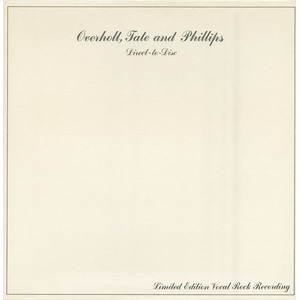
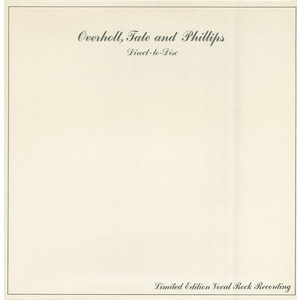
She sang on dozens of records without ever chasing her name on the sleeve. Many she doesn’t remember. Others she recalls with startling clarity. The direct-to-disc album Overholt, Tate & Phillips remains one of the most unusual projects she ever encountered—cut live to lacquer at Phase One, with no overdubs and no margin for error. The three singers were placed not in the studio, but in the narrow double-door “airlock” between the tracking room and the control room to maximize silence. It overheated instantly; nobody moved, nobody breathed. “I was terrified,” she said. “Beyond trepidation—I was hyperventilating.” The nervous quiver of her voice on their cover of Player’s “Baby Come Back” still makes her wince; by the time they reached “Dancin’,” she had settled into herself. That album—tense and risky and utterly unique—remains one of her most personal documents.
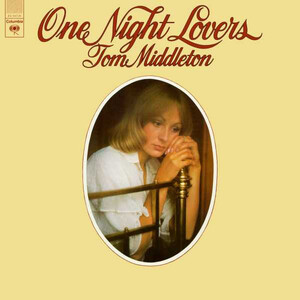
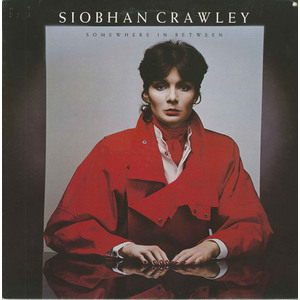
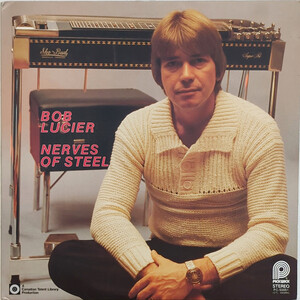
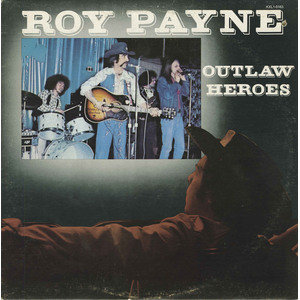
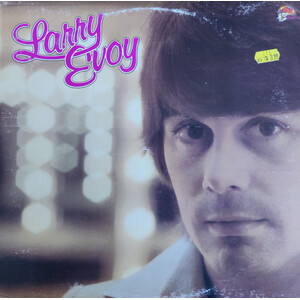
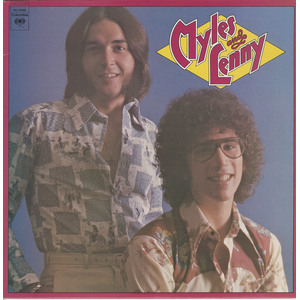
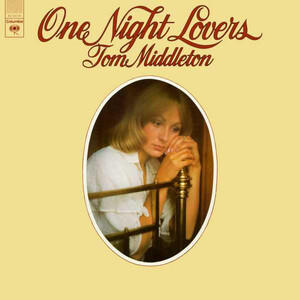
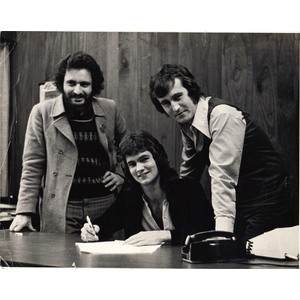
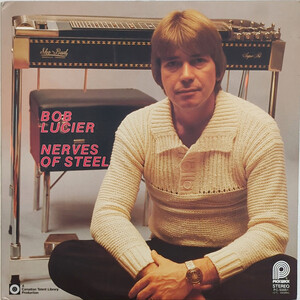
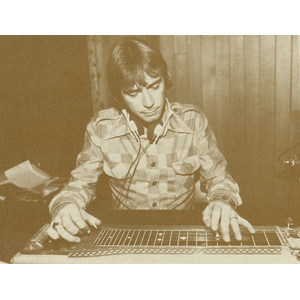
Her studio world expanded in every direction. She sang on sessions for Myles & Lenny, marvelling at Mickey Erbe and Maribeth Solomon’s arrangements. She did work for Tom Middleton, for Roy Payne, for the Corporate Image and Yesterdays compilations, for Siobhan Crawley, John Arpin, Bob Lucier, and Larry Evoy. She remembers Lucier warmly—“a beautiful player”—and the sessions filled with Doug Riley, Brian Russell, Tom Szczesniak, Diane and Jim Pirie, and Bobby Edwards. She remembers country star Carroll Baker handing her a pair of black high heels between takes. She remembers not the details of every credit, but the feel of the room, the musicianship, and the grace of the people around her.
There were television projects too—most memorably Right On, the CBC youth program taped in 1972–73. The vocal trio was Jackie Richardson, Betty Richardson, and Tate, with a young Martin Short—barely out of his teens—as the host. “They had trouble keeping him reined in,” she laughed. “He just wanted to be funny.” Each episode featured a guest performer, a tune from Marty, and a rotating solo spot from the three backup singers. It was early, fresh, chaotic, and full of promise—exactly the sort of show the CBC tucks away for decades, turning into quiet folklore for anyone who still hopes our cultural past might one day be set free.
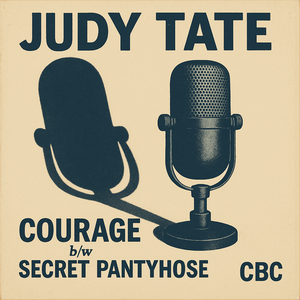
Another highlight was Back to the Beanstalk, a CBC skating special starring Olympic medalist Elizabeth Manley. Peter Mann, the producer and conductor, hired Tate to sing two songs for the soundtrack, including the ballad “Courage,” one of her proudest recorded performances. Mann had noticed Tate and Manley shared the same characteristic lilt in their speech—“She has the same lisp as you, Tate,” he told her—and thought she would be the perfect singing voice for the role.
The jingle world became her financial bedrock. In the 1970s and ’80s, ACTRA rates were high, national campaigns paid handsomely, and Toronto was a hub for commercial music. She sang in countless group sessions—bright children’s voices, soft blends, quick three-part stacks, tight Soprano I lines. She saved dozens of reels of jingles, lugging them from home to home for decades. “It was the cream of the crop work,” she said. “A great time—and working with the best musicians.” When the studio scene shifted—technology changed, big rooms shrank, live singers became less common—she transitioned into music copying, a skill she had learned years earlier from Art Snider at Sound Canada. She copied charts for composers like Jim Pirie, whose manuscript she admired for its clarity and elegance.
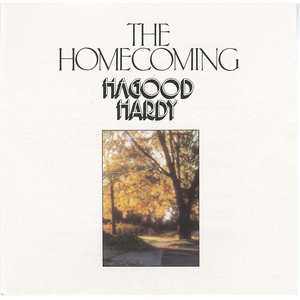
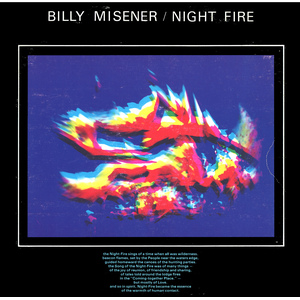
Stories and friendships accumulated: Patty Van Evera, “a wonderful singer”; Bill Misener, whose voice she adored and who moved to New York to great success doing national jingles; Hagood Hardy, “just a lovely man”; the early days of Colina Phillips; Jackie and Betty Richardson; the string players and brass players and rhythm sections who came through the rooms. Many of them are gone now. Tate speaks about them with warmth and a kind of gentle disbelief—how a life lived in music becomes a constellation of people, each remembered in fragments of harmony.
She never sought fame. She had no ambition to be a star, no desire to chase the spotlight. “I just wanted to be in this cocoon of singing,” she said. Harmony was the point. The work was the reward. Her legacy lives not in a single album or hit, but in all the places her voice appears—woven invisibly into Canadian pop, country, gospel, jazz, advertising, and television.
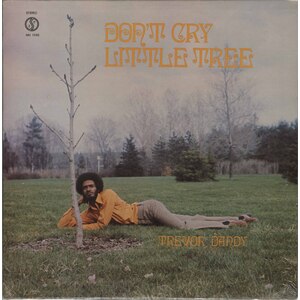
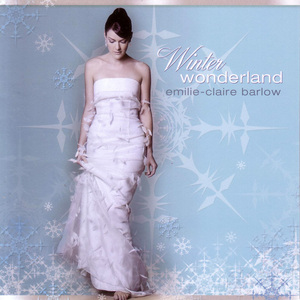
Her musical life continued in quieter ways. She wrote songs for herself and her family, and her daughter Emilie-Claire Barlow recorded her lullaby “Angels’ Lullaby,” carrying the family line of musicians into a new generation. She still sings—to herself, to her grandchildren, to anyone within earshot—drawing on “thousands of songs in my head.” And her past continues to circle back: she once sang backup vocals on a 1970 Trevor Dandy recording, and when she recently heard her own voice in the documentary Play It Loud: The Rise of Jay Douglas and the Jamaican Music Movement in Canada, where Trevor Dandy also appears, the moment sent her searching for more. That’s when she found the Trevor Dandy story on the Museum of Canadian Music, and reached out to share her memories. And over the years, “Is There Any Love?” quietly found a second life, sampled by dozens of hip-hop artists — including Kid Cudi — carrying her voice into places she never expected.
In recent decades Tate has channelled her musical sensibility into poetry. Under the name j tate barlow (Instagram: @jtatebarlow), she has published widely in Canadian literary journals. Her chapbook, The Art of Skipping Stones, was released in July by PinholePoetry.ca. “The song has ended but the melody lingers on,” she said, finding that rhythm, musicality, and emotional phrasing live on in her poems.
Judy Tate’s story is one of quiet excellence—of a singer who made a career from precision, taste, reliability, and joy. Her voice helped define an era of Canadian studio music. Her memories are filled with laughter, long days, and the deep satisfaction of singing with people she loved. And now, through careful archival work and the rediscovery of her recordings, her contributions are being seen in full for the first time. For a singer who never chased the spotlight, her light has travelled far.
-Robert Williston
Tracks
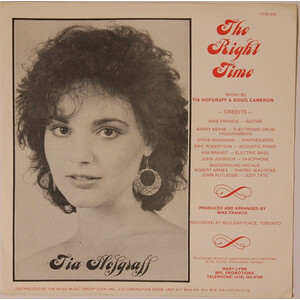



The Right Time

Compilation
Direct to Disc
One Night Lovers
Middleton, Tom

Hofgraff, Tia (Tia McGraff)
Nerves of Steel - Pickwick PC-50001 (1980 re-issue)
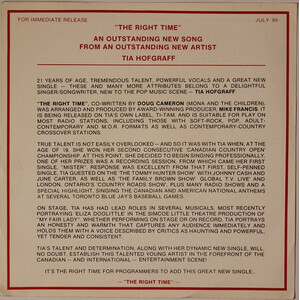
McGraff, Tia - The Right Time (3)
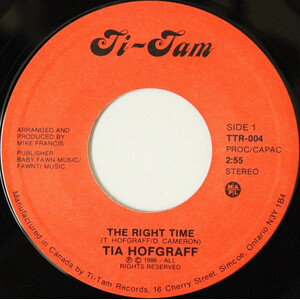
McGraff, Tia - The Right Time (2)
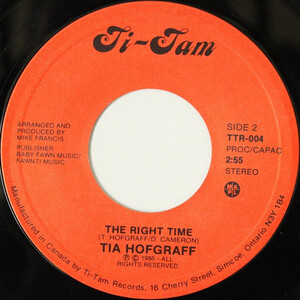
McGraff, Tia - The Right Time (1)
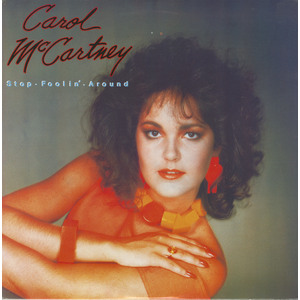
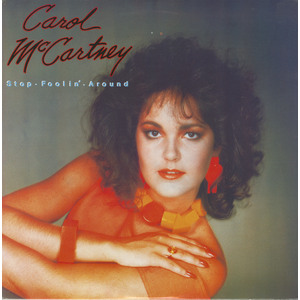
Stop Foolin' Around

McCartney, Carol
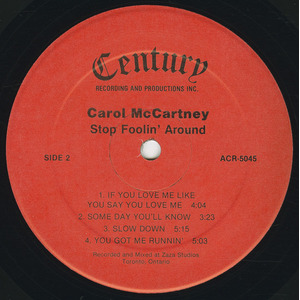
Carol McCartney - Stop Foolin' Around LABEL 02
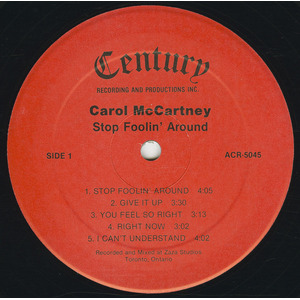
Carol McCartney - Stop Foolin' Around LABEL 01
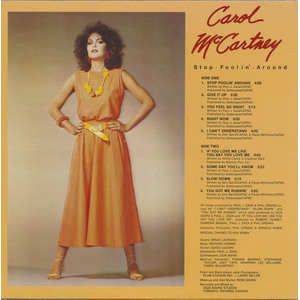
Carol McCartney - Stop Foolin' Around BACK

Molson Christmas '73
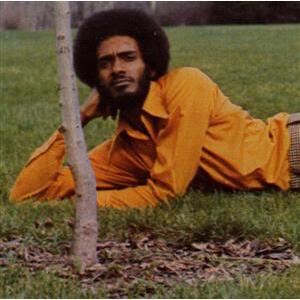
Dandy, Trevor
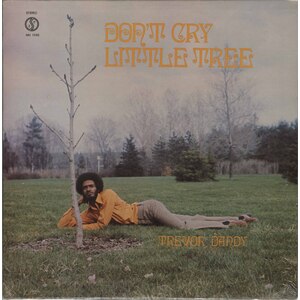
Don't Cry Little Tree
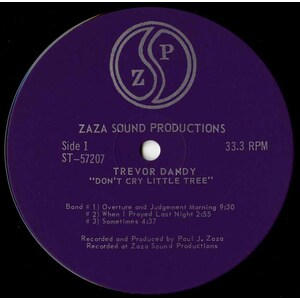
Trevor Dandy - Don't Cry Little Tree
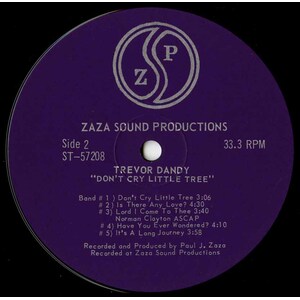
Trevor Dandy - Don't Cry Little Tree
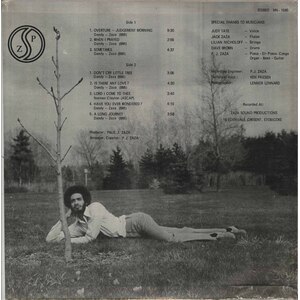
Trevor Dandy - Don't Cry Little Tree
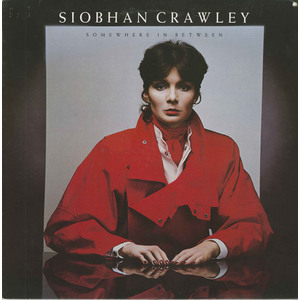
Somewhere In Between
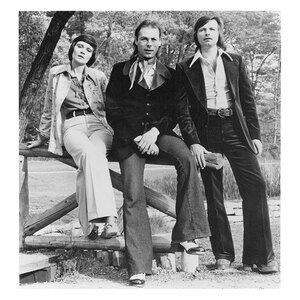
Crawley, Siobhan
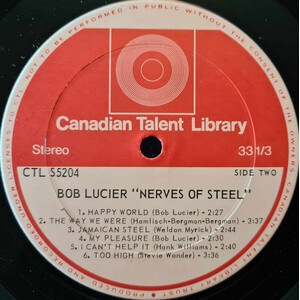
Nerves Of Steel Side Two
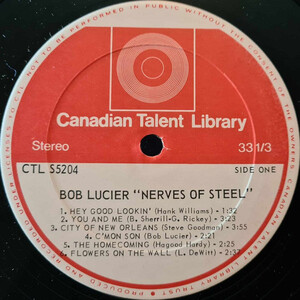
Nerves Of Steel Side One
Courage b/w Secret Pantyhose
Tate, Judy (Judy Barlow)
Lucier, Bob
The Laurie Bower Singers
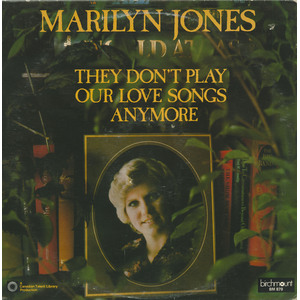
They Don’t Play Our Love Songs Anymore
No Comments