Artist / Band
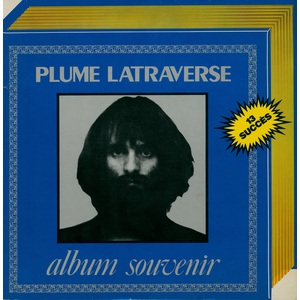
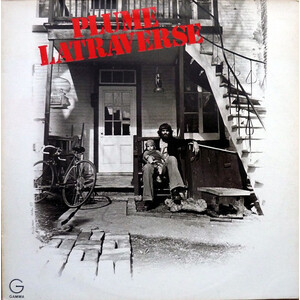
Plume Latraverse (Michel Proulx)

Biography
Born May 11, 1946, Plume Latraverse is one of Quebec’s most original and enduring voices—a fiercely independent singer, writer, and performer whose career has spanned music, literature, visual art, and radical expression. Known for his irreverent wit, biting poetry, and genre-defying style, he remains a counterculture icon whose work continues to challenge convention and celebrate the absurd beauty of everyday life.
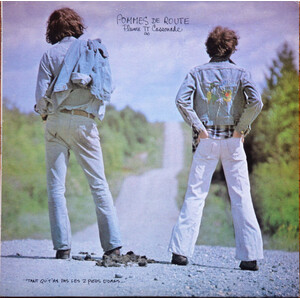
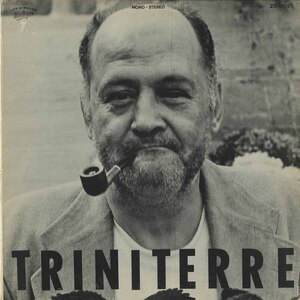
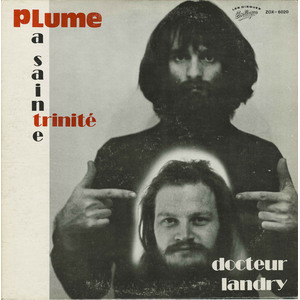
Originally trained in visual arts, Latraverse first turned heads in the late 1960s as a founding member of La Sainte Trinité, a psychedelic folk-rock collective born in the bohemian enclaves of Percé. Alongside poet Pierre Léger and multi-instrumentalist Pierre Landry, the group captured its anarchic spirit on the now-cult 1971 LP Triniterre. After the trio disbanded, Latraverse teamed up with guitarist Steve Faulkner (aka "Cassonade") to form a legendary duo that crisscrossed Quebec until 1975, culminating in the raw and humorous Pommes de route.
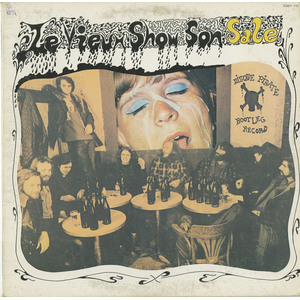
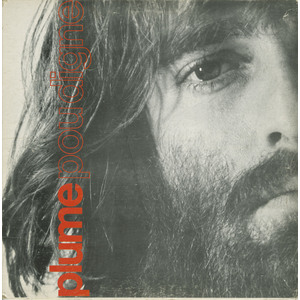
Striking out solo in 1976, Plume quickly established himself as a singular force in the Québécois music scene. Blending blues, folk, Latin, rock ’n’ roll, chanson, and spoken word, his early albums like Plume Pou Digne (1974) and Le Vieux Show Son Sale (1975) became underground landmarks. Songs like “Bobépine,” “Le Mal du pays,” and “Jonquière” struck a nerve with a generation disillusioned by mainstream media and politics. With his tangled beard, raspy delivery, and knack for vivid characters and street poetry, Plume became the voice of the anti-hero: the hitchhiker, the bum, the loner in the tavern who sees through the bullshit.
Throughout the 1970s and ’80s, he released album after album—nearly one per year—with astonishing stylistic range and lyrical force. Whether riffing on social hypocrisy (“Le Blues de la stupidité humaine”), channeling heartbreak through surreal metaphors, or playfully subverting traditional forms, he refused to conform to radio formats or commercial expectations. In 1979–80, he toured France and won the prestigious Prix International de la Jeune Chanson, while back home he continued to deepen his reputation as Quebec’s most fearless chansonnier.
Live, Plume’s shows became theatrical events—wild, unpredictable, often hilarious, and anchored in emotional truth. His 1983 tour with Offenbach (À fond d’train) brought him into arenas, while later years saw him scale back into intimate solo and duo sets, especially with longtime bassist Denis Masson and guitarist Jean-Claude Marsan.
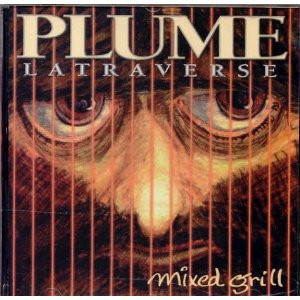
By the mid-1980s, he turned more fully to literature and visual art. His first book, Contes-gouttes (1987), was followed by Pas d’admission sans histoire (1993) and Striboule (1995), adding new dimensions to his creative output. But the music never stopped. Albums like Mixed Grill (1998), Chants d’épuration (2003), and Hors-saisons (2007) proved that age had only sharpened his pen. Songs like “El Niño,” “Le Bleu de la plinthe,” and “Le Migration” showed a more reflective, melancholic Plume—but the sharp tongue and deadpan wit remained fully intact.
Over the decades, Plume has earned near-mythic status in Quebec. He’s received numerous honors, including the Médaille Jacques-Blanchet (1994), the Prix Miroir de la chanson francophone (1994, 2002), the Médaille de l’Assemblée nationale (2018), and the Prix Excellence from SOCAN (2023). But true to form, he’s always remained somewhat apart from the cultural institutions now eager to canonize him.
His songs, once shunned by commercial radio, are now beloved standards. Covered by artists like Éric Lapointe, Manon Brunet, Dan Bigras, and Les Colocs, they live on in pubs, college radio, and road trips through the Laurentians. His influence can be felt in generations of francophone songwriters who embrace language play, poetic resistance, and everyday grit.
As of 2025, Plume continues to write, perform, and record. His latest cabaret-style tour, Rémissionnaire, reflects his enduring commitment to craft over spectacle. Whether wielding a guitar, a paintbrush, or a pen, Plume Latraverse remains—as ever—an unclassifiable force. Fiercely Quebecois. Fiercely himself.
-Robert Williston
Tracks
148 tracks
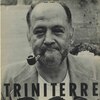
Triniterre-La Sainte-Trinite (1971)
Showing 10 of 11 tracks
-
Chez dieu
-
Conjugaison
-
Ti-Jésus
-
Bleu comme un char de bêu
-
Valse bretonne
-
À moi les étoiles
-
Le picnic sur le métropolitain ( (Sous-titres allemands)
-
U.J.O.S.Q.
-
Agatha (Directement des toilettes du forum)
-
Si un jour je reviens sur terre
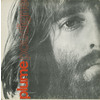
Plume pou digne (1974)
Showing 10 of 11 tracks
-
Rideau
-
Bossa-mota
-
Bonne soirée
-
Encore des mots
-
Strip-tease
-
Leopold Gibouleau
-
Le gros flash mauve
-
Calvaire (volver)
-
Les brassières
-
Ne pleure pas petite fille
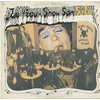
Le Vieux Show Son Sale (1975)
Showing 10 of 11 tracks
-
Le reel du pendu
-
Le lâchage de job
-
Lit vert
-
Stella Daily Breakfeast Blues
-
Charlow's Boogie
-
Le rock 'n' roll du grand flanc mou
-
Adiadyll
-
Le tango des concaves
-
Bobépine
-
Équinoxes
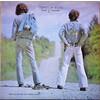
Pommes de Route (1975)
Showing 10 of 14 tracks
-
Pommes de route
-
La 20
-
Les bobettes À bedê
-
Jonquiere
-
La bienséance
-
Y a rien la
-
Ma porte de shed
-
Anecdote
-
U.F.O.
-
Sapolin #148
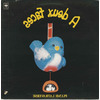
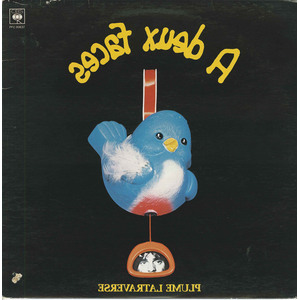
A deux faces (1976)
Showing 10 of 15 tracks
-
La p'tite vingnenne pis l'gros torrieu
-
Samba sabbatiquement fausse
-
Hygiène
-
Chanson À message
-
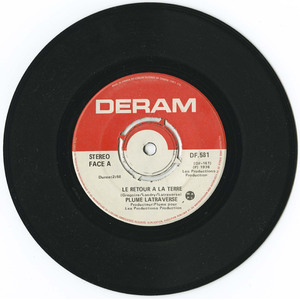
Le retour À la terre
-
Saigne tes brakes
-
Salusoleil
-
Objets inanimes
-
Lettre À Charlot
-
18 piasses de l'heure (Bouche trou: Le rock du plombier)
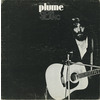
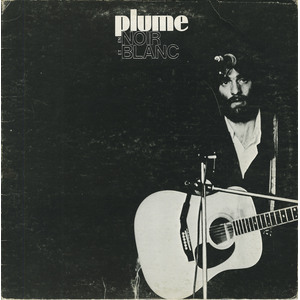
En Noir et Blanc (live) (1976)
Showing 10 of 14 tracks
-
Leon le cameleon
-
Le loup Fuck? Fuck le loup!
-
Parlage
-
Assis
-
A meme l'avis
-
Chanson pour nous-autres
-
La marde
-
Le blues de la bêtise humaine
-
Terre de soleil
-
Blueberry Hill
-
Le retour a la terre
-
Salusoleil
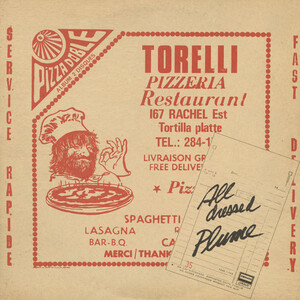
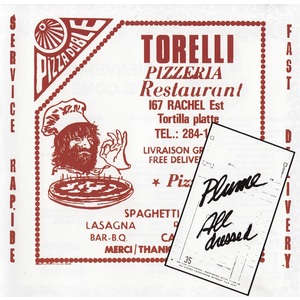
All Dressed (1978)
Showing 10 of 24 tracks
-
Nous autres, on s'en fout
-
Moé , j'aime pas ça travailler
-
Vie d'ange
-
New-Orleans
-
Bébé-Rama
-
Le reel de la Casa
-
Cobaye Blues
-
Mauvaise herbe (bleue)
-
Ça bluffe!
-
Fucké-Fucké
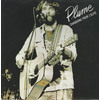
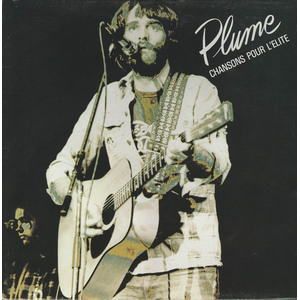
Chansons pour l'élite (1979)
Showing 10 of 12 tracks
-
La 20
-
Marie-Lou
-
Le tango des concaves
-
La porte de shed
-
U.F.O.
-
Motel Horizon
-
Le gros flash mauve
-
La p'tite vingnenne pis l'gros torrieu
-
Le grand barda
-
Hold-up
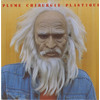
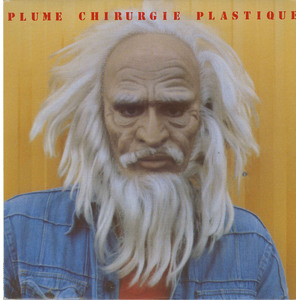
Chirugie Plastique (1979)
8 tracks
-
Morale-a-bras
-
Scenes de la vie conjugale (Hein? Va donc - T'es-tu d'jà fait cracher dans Face? - Les pantalons troués - Mariage Open Blues)
-
Assis ent' 2 chaises
-
Ste-Toutoune express
-
Cul-d'sac rock (cercle vicieux roll)
-
Chanson longue et plate
-
Salut trenet!
-
Le chemin des hommes nouveaux
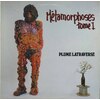
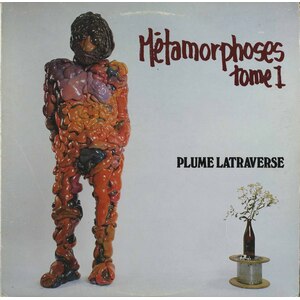
Métamorphose Tôme 1 (1982)
Showing 10 of 15 tracks
-
L'Histoire de l'histoire
-
Babine et babin
-
Le fermier Jean
-
Le souff' du Yab (printemps clin d'ceil)
-
Les humains
-
Minuit, chambre 8
-
La fête du mort
-
Tête fromagée
-
Faux dur (…et trouble-fête)
-
Vivre dans une valise
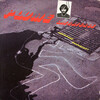
Autopsie canalisée (1983)
1 track
-
P'tit pain... va loin
-
Brassette
-
Last Call
-
Chasse gardée
-
Ainsi soit-il
-
Les sangsues
-
Statu quo
-
Marie-Josée Latour
-
Une ville dans une autre
-
L'assassin sommeille
-
Les coucoudris
Discography
Featured Titles
Albums

Singles
Compilation Tracks
Gallery
Images
1 image

Latraverse, Plume (Michel Proulx)
Media
Videos
0 videos
No videos available for this artist.