Artist / Band
Ishan People
Biography
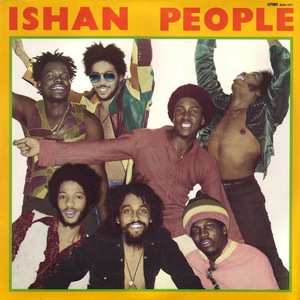
Ishan People emerged in mid-1970s Toronto at a time when reggae had become a lived, community music in Southern Ontario rather than an imported novelty. Decades of Caribbean immigration had established deep cultural roots in the city, and Ishan People grew directly out of that environment—drawing on Jamaican traditions while working comfortably within Canada’s professional studio system.
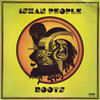
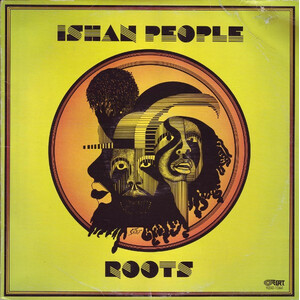
The group’s debut album Roots (1977) captured this balance with unusual clarity. Recorded at Thunder Sound and produced by David Clayton-Thomas for GRT Records, the LP centered on original material written largely by Lloyd Lovindeer, including “Tough Tight And Dread,” “One Way Ticket,” “Lies,” and “Your Money Or Your Life,” while also re-contextualizing roots anthems such as Bob Dylan’s “I Shall Be Released” and Bob Marley’s “Talkin’ Blues.” Anchored by Michael Murray’s lead vocals and guitar, with a rhythm section built on Larry Silvera’s bass and Karl Parris Jr.’s drums, the album blended disciplined studio craft with an unmistakably Caribbean rhythmic feel. Percussionist Glen Daley added depth and swing, while keyboards by Scott James and William “Smitty” Smith and flute contributions from Steve Kennedy broadened the sound beyond strict roots reggae.
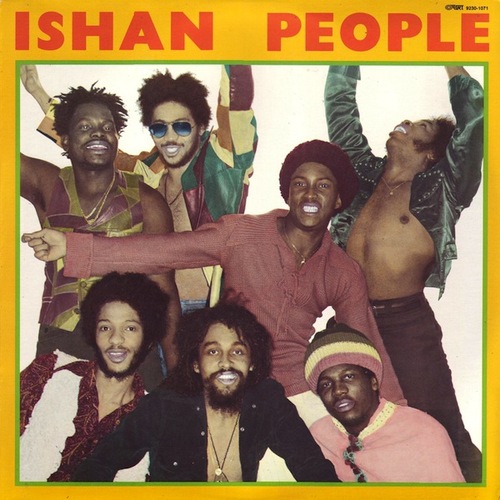
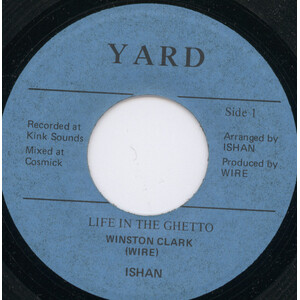
Ishan People followed Roots with a self-titled album later in 1977, expanding their profile and helping place their recordings beyond Canada through international licensing. Songs such as “Come To The Music” and “Trenchtown” reinforced the group’s identity as both celebratory and socially aware, reflecting reggae’s dual role as dance music and cultural commentary. During this same period, the band released several singles in Canada and the UK, including “I Shall Be Released,” “Come To The Music / Trenchtown,” and the UK coupling “Come To The Music / Inflation,” marking their most active and visible phase.
During the post-Roots period, the band also included Jamaican vocalist Johnny Osbourne, who later identified Ishan People as one of the stronger Toronto-based reggae groups he performed with. His involvement followed the recording of the debut album and reflects the band’s close connection to the city’s Jamaican musical network.
Although the group’s recorded output was compact and their lifespan short, Ishan People occupy a significant place in Canadian reggae history.
-Robert Williston
Tracks
16 tracks
Roots (1976)
8 tracks
-
Tough Tight and Dread
-
I Shall be Released
-
One Way Ticket
-
Lies
-
Your Money Or Your Life
-
Talkin' Blues
-
Situation Vacant
-
No Ganja
-
Come to the Music
-
Hold On
-
Inflation
-
Sweet Chariot
-
Let The Rhythm Roll
-
Mighty Warrior
-
Rainbow
-
Trenchtown
Discography
Featured Titles
Albums
Singles
12"

Gallery
Images
1 image
Ishan People
Media
Videos
0 videos
No videos available for this artist.