Artist / Band
Gainsborough Gallery
Biography
Originally called The Skeptics, the band was formed when singer/guitarist Mel Degan (ex of Privelege) and bassist Dennis Paul (real name Dennis Planidin and former member of Wes Dakus and The Rebels) headed down Highway 2 from Edmonton and hooked up with singer Jae Mack, Peter Marley on guitars and Ray McAndrew on drums in late 1964.
After doing the coffee shops and clubs around the Calgary area for a year or so, they changed their name to The Gainsborough Gallery in honour of the Calgary art museum of the same name (and where they also received fan mail), and added Tim McHugh on keyboards.
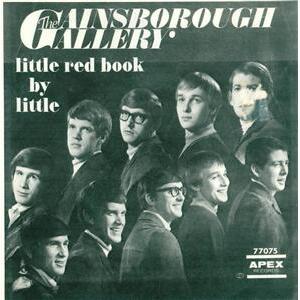
They scraped together enough money to tape some sessions at Porter’s Studio in Las Vegas in the summer of ’68, but nothing materialized from them except some bad recordings and a lot of debt. After returning home to Calgary, they continued on the circuit for another six months while the singles “My Little Red Book” and “If You Knew” were released on Apex Records to little fanfare and even less chart action. The label soon dropped them and they found themselves looking for new studio options.
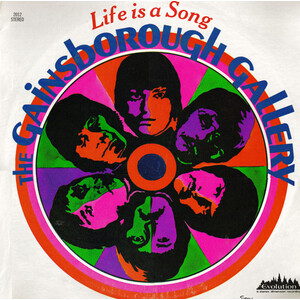
After signing with REO, Paul told them about the good experiences he’d had while with The Rebels working with Norm Petty (Buddy Holly producer) in Clovis, New Mexico. They spent a month there, where he pitched different pre-written songs to the band. They convinced Petty to release the album on his Evolution Records label. By the time it was on the shelves for Christmas in ’69, Degan had left for an ill-fated Privelege reunion. But when that fell apart, he was back in the Gallery fold by the following spring. Meanwhile, Mack also left for other projects once the recordings were done. It was also rumoured the group had lost out on an eastern US tour because some clubs didn’t want a mixed colour group, as Mack was of African descent.
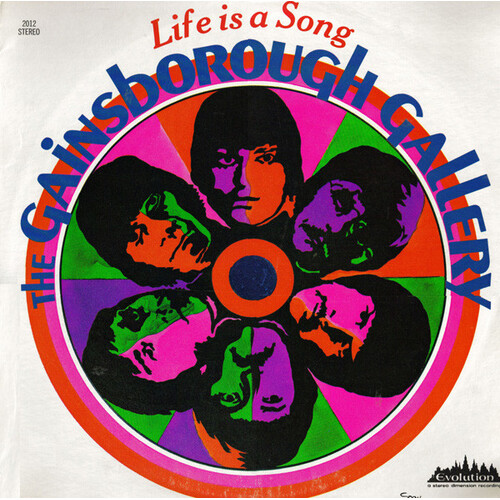
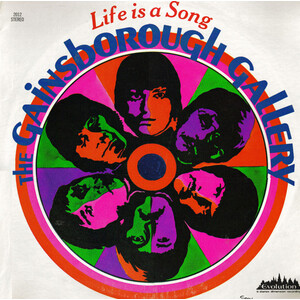
The album was full of experimental melodic and psychedelic garage pop, and not one song was written by anyone in the band. The first single was the title track, written by The Fireballs’ George Tomsco and his wife Barbara. It climbed to #54 on the Canadian charts, and its ten-week stay on the charts fuelled a western Canadian tour. Although Mack appeared on the album, he wasn’t credited. Instead, newcomer Henry Small was, without singing or playing a note, even though his vocals and violin brought another dimension to the group’s live shows.
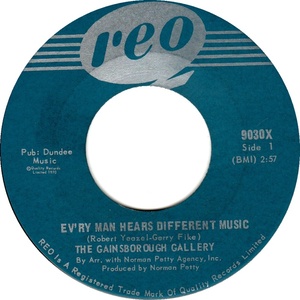
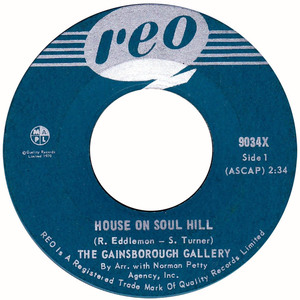
By April a second single was released, but “Ev’ry Man Hear Different Music” was cut from the original sessions with Petty. It made it as high as #78 and stayed on the charts for nine weeks. “House On Soul Hill,” the lead-off track from the album became the third single that summer, but failed to crack the top 100.
Frustrated with where the band was going, they called it quits after their contract with REO was up in March of 1971. Small joined Scrubbaloe Caine, then moved to Vancouver where he formed Small Wonder and then joined Prism after a couple of years on the road as part of Burton Cummings‘ band. He then went solo and currently does production and management work. McHugh also moved to Vancouver and became a producer. McAndrew, Marley and Degan all stayed in Calgary and became session players, while Paul got out of the business all together.
-Pete Roach and Wayne Stevenson
Tracks
12 tracks
Life is a Song (1970)
Showing 10 of 12 tracks
-
House On Soul Hill
-
I Need Someone
-
Thank You, Girl
-
Light in the Window
-
Dreams In a Boxcar
-
Turn Around And Love You
-
Life Is a Song
-
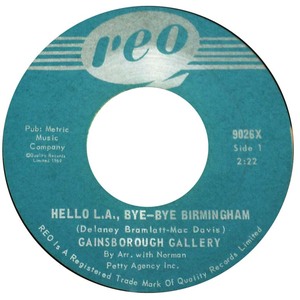
Hello L.A. - Bye Bye Birmingham
-
It’s Growing
-
If She Don’t Turn Your Head
Discography
Featured Titles
Albums
Singles

Compilation Tracks
Gallery
Images
1 image
Gainsborough Gallery
Media
Videos
0 videos
No videos available for this artist.