Artist / Band
Death Sentence
Biography
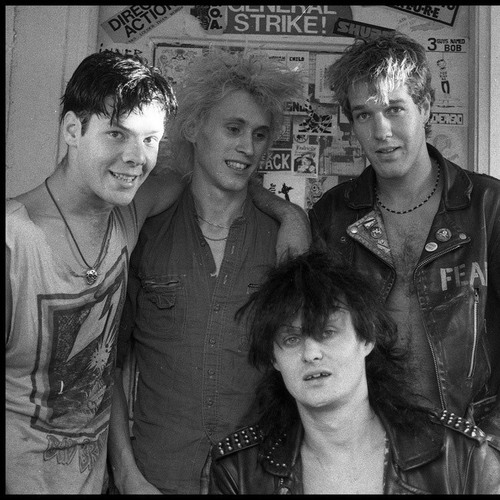
Formed in Vancouver, British Columbia in early 1984, Death Sentence emerged as one of the most volatile and uncompromising forces of Canada’s second-wave hardcore punk movement. Drawing equally from British punk, American hardcore, and hard rock swagger, the band helped define an early form of crossover that rejected genre boundaries in favour of speed, volume, and confrontation. Their sound was aggressive but unpolished, street-level and confrontational, built around fast delivery, shouted manifestos, and an unrelenting live presence that quickly set them apart within the city’s underground.
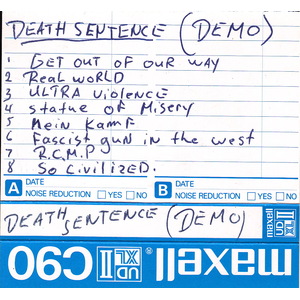
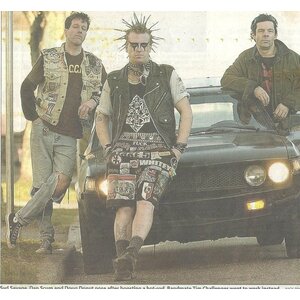
The original lineup featured vocalist and guitarist Pete “Puke” Keller (also known as Pete Cleaver), guitarist Syd Savage, bassist Tim Challenger, and drummer Doug “Donut” Proulx. Death Sentence gained immediate notoriety following a near-riot at Vancouver’s 1984 Shindig battle of the bands, where they placed second after a chaotic performance that included a beer can striking the master of ceremonies. Using their winnings, the band recorded an early demo that captured their raw, confrontational sound and introduced several songs that would later reappear in more developed form.
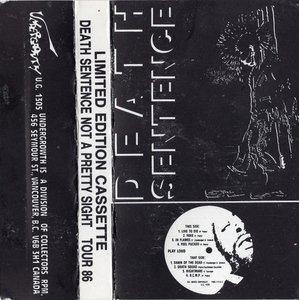
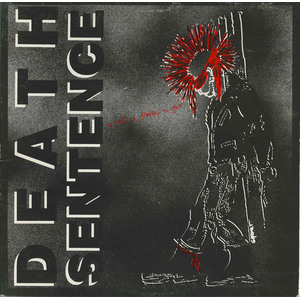
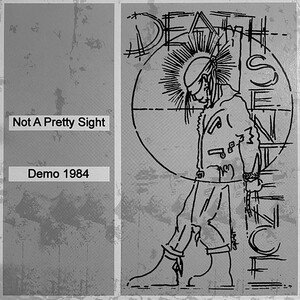
In 1985, Death Sentence recorded their debut release, Not a Pretty Sight, in an East Vancouver basement over the course of four days. Issued on the Undergrowth label, the record quickly became a benchmark of Canadian hardcore punk. Fierce, abrasive, and unapologetically direct, it captured the band at full intensity and established their reputation nationally. Despite its primitive recording conditions, the release proved hugely influential and remains one of the most revered punk records to emerge from Canada during the decade.
By the mid-1980s, Death Sentence were among Vancouver’s most formidable live acts, touring extensively across Canada and the Pacific Northwest alongside bands such as Black Flag, Bad Brains, MDC, D.O.A., and G.B.H. Their shows were loud, aggressive, and unpredictable, earning them a reputation that extended well beyond the punk scene. Lineup changes followed, with Savage returning after a brief absence, Jimmy “Vegas” Sigmund joining on bass, and short-term appearances from Brad Kent of Avengers and D.O.A. The band’s sound began to harden, incorporating heavier rock and metallic elements without losing its hardcore foundation.
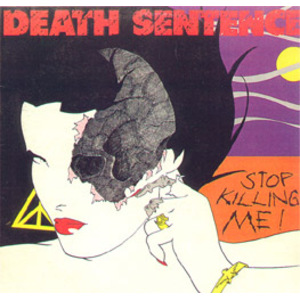
This evolution culminated in the 1987 recording of Stop Killing Me, released the following year by Fringe Product. Recorded at Profile Sound Studios in Vancouver and mastered in Toronto, the album pushed further into crossover territory while retaining the band’s confrontational core. Tracks such as ‘Danger Zone’ and ‘I.W.A.W.F.T. Soviet Union’ reflected a broader sonic reach and became staples of their live sets. A 1989 demo titled Girls, Guns & Guitars hinted at an even more rock-leaning direction, but internal pressures—including substance abuse, financial strain, and constant lineup changes—prevented the completion of a third album.
By 1991, Death Sentence had effectively disbanded. The death of Pete Keller in 1994 marked a defining loss for the band and the Vancouver punk community. Despite this, their reputation continued to grow, aided by strong underground circulation of their records, which reportedly sold in significant numbers despite the absence of CD reissues and ongoing rights issues following the collapse of Fringe Product.
Death Sentence reunited sporadically during the mid-1990s, including an impromptu appearance at the infamous 1010 Seymour after-hours venue. A more substantial return occurred in 2001, when the band reconvened for the Naughty Camp festival with guest vocalist Bernie Coulson, followed by further shows featuring Dan “Jib-Tank” Scum on vocals. Though schedules eventually pulled the members in different directions, these performances reaffirmed the band’s enduring power as a live force and cemented Death Sentence’s place as one of Vancouver’s most dangerous and influential hardcore acts of the 1980s.
-Robert Williston
Tracks
25 tracks
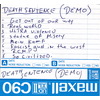
Demo (1984)
7 tracks
-
Get Out of Our Way
-
Real World
-
Ultra Violence
-
Statue of Misery
-
05 Mein Kamf - Fascist Gun in the West
-
RCMP
-
So Civilized
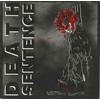
Not a Pretty Sight (1985)
8 tracks
-
Live to Die
-
Fake
-
In Flames
-
Feel Fucked
-
Dawn of the Dead
-
Death Squad
-
Nightmare
-
R.C.M.P.
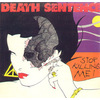
Stop Killing Me (1988)
10 tracks
-
B.M.O.C.
-
Brand New Day
-
Bad News
-
So Civilized
-
Danger Zone
-
I.W.A.W.F.T. (I Wanna Marry a Woman From the) Soviet Union
-
Stop Killing Me
-
Fascist Gun in the West
-
Terminate
-
Use Your Head
Discography
Featured Titles
Albums
Singles

Gallery
Images
23 images
View All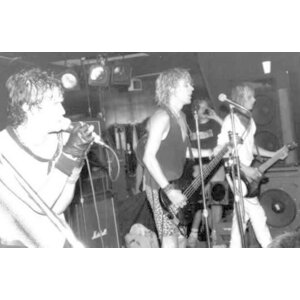
Death Sentence
Death Sentence
Death Sentence
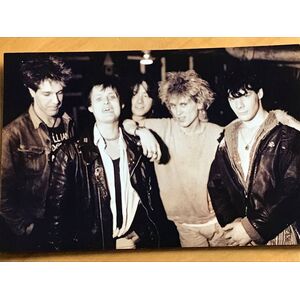
1986 tour rehearsal. Dave Dork's Sk8 shop basement rehearsal we had locked down. Broadway Ontario. L-R Syd Savage, Pete 'cleaver nipplehead Keller, Tim Challenger, Jim Sigmund, me at 20.
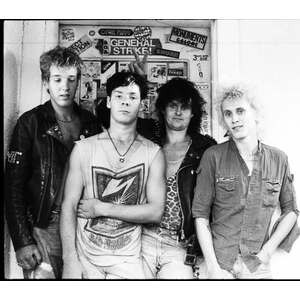
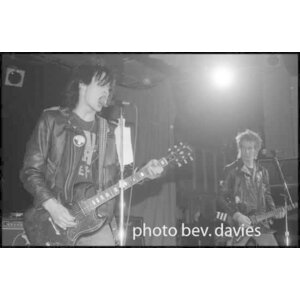
Photo~ Bev Davies ~ Taken in front of the legendary Plaza, 1986 - I had just turned 20. Std, me, Pete (rip) Jimmy -
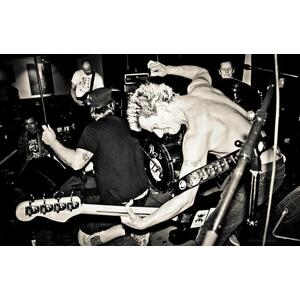
Death Sentence
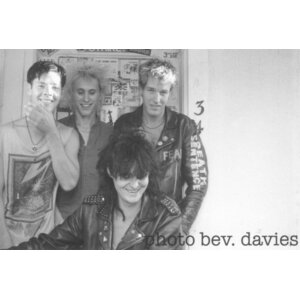
Death Sentence
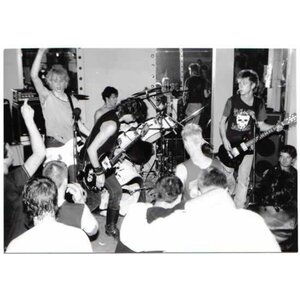
Death Sentence
Media
Videos
2 videos