Artist / Band
Sinister Witch
Biography
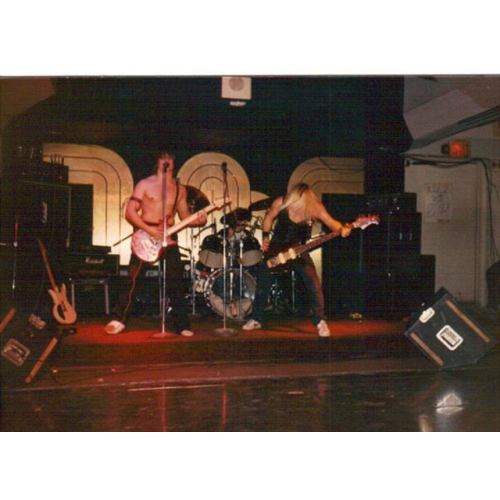
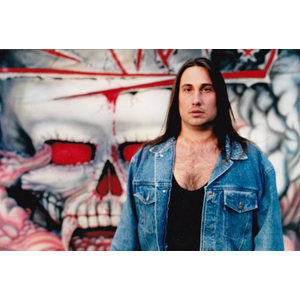
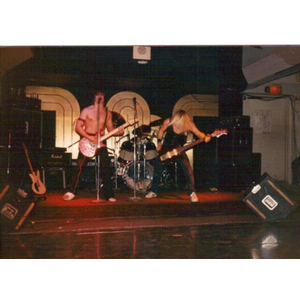
Sinister Witch were a Winnipeg, Manitoba heavy metal band who emerged in the mid-1980s out of the city’s harsher underground, carving out a sound that stood apart from the speed-driven thrash and punk-adjacent aggression that dominated much of the era’s independent metal scene. Formed by musicians who had come out of punk but wanted to push in a darker and more atmospheric direction, the band deliberately slowed the pace, bringing in eerie, melodic riffs and a heavier sense of mood. The result was a distinctive hybrid of underground metal and doom-leaning menace that made them one of the more unusual prairie metal acts of their time.
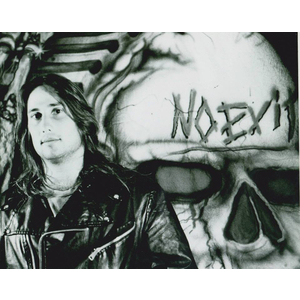
The classic lineup featured Carey Siddorn on lead guitar and lead vocals, Daryn “Pipes” Symonds on rhythm guitar, Dean Jennings on drums, and Mike Cormack on bass guitar. According to the band’s own retrospective notes, Sinister Witch took shape when two disillusioned punk musicians decided to abandon the limitations of the local punk circuit and build something heavier, stranger, and more expressive. Winnipeg itself became part of the story: the reissue notes frame the city as a cold, violent environment whose bleakness and intensity helped shape the band’s music, an atmosphere reflected in the titles and lyrical themes that would define their lone recording.
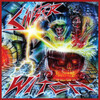
That recording was No Exit, a privately issued 1988 cassette that documented the band in a remarkably concentrated burst of creativity. Only 500 copies were made, sold locally and circulated to labels, but once those were gone the release disappeared, with no repressing and no label pickup. Despite that limited original run, No Exit was a substantial statement rather than a rough demo: nine songs recorded and mixed in just eight hours, capturing a band that the reissue notes later described as exceptionally tight. The material ranged from brooding metal songs such as ‘Warrior’s Pride,’ ‘Savage,’ and ‘Scarred For Life’ to instrumentals like ‘Cranium’ and ‘Doom,’ all anchored by Siddorn’s songwriting, with ‘Is This Tomorrow?’ and ‘Man’ sharing music credits with Cormack and the former drawing lyrics from Venesia. Across the cassette, Sinister Witch sounded far removed from generic garage metal, favouring tension, atmosphere, and an unforced sense of darkness over speed for its own sake.
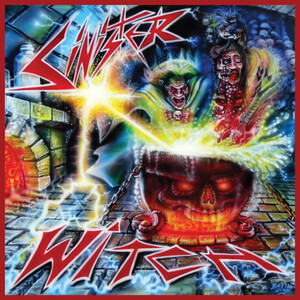
For decades, No Exit remained one of those deeply local underground releases that survived more in memory than circulation — a short-run cassette known to those who had seen the band, bought one at a gig, or encountered it through collector networks. That changed roughly thirty years later, when the material was revived in remastered form by Cult Metal Classics. Rebuilt from the original 1988 recordings, digitally remastered, and issued with new artwork and extensive retrospective notes, the reissue finally gave the project the broader exposure it never received the first time around. The release reframed No Exit not as an obscure regional curiosity, but as a genuinely compelling Canadian underground metal document whose strengths had been hidden in plain sight.
Seen in retrospect, Sinister Witch occupy a fascinating corner of Canadian metal history. They were never prolific, never widely promoted, and never given the industry push that might have carried them beyond Manitoba in their own time. Yet their single surviving release reveals a band that had already found a strong identity: dark, deliberate, melodic, and just idiosyncratic enough to avoid sounding like anyone else around them. In that sense, Sinister Witch were exactly the kind of act Cult Metal Classics was built to rescue — a lost Canadian metal band whose music was too distinctive to stay buried forever.
-Robert Williston
Tracks
9 tracks
Sinister Witch (2018)
9 tracks
-
Scarred for Life
-
No Exit
-
Kill
-
Doom
-
Is this Tomorrow?
-
Cranium
-
Man
-
Savage
-
Warrior’s Pride
Discography
Featured Titles
Albums
Gallery
Images
3 images
Sinister Witch (1)
Sinister Witch (3)
Sinister Witch
Media
Videos
0 videos
No videos available for this artist.