Artist / Band
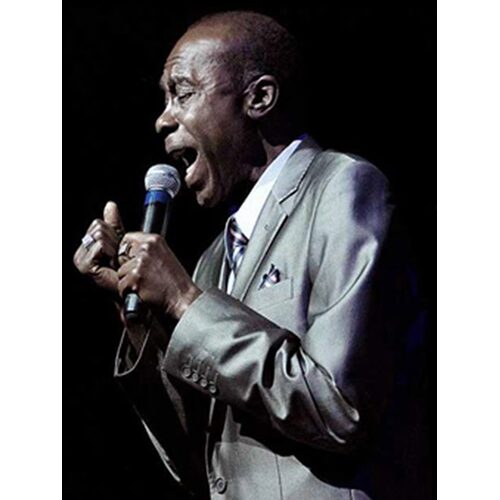
Jay Douglas (Clive Pinnock)
Biography
Jay Douglas’s story begins in the hills of rural Jamaica, where church music, American R&B radio and the early sparks of ska shaped his first ideas about what a singer could be. When he moved to Toronto as a teenager in the early 1960s, he arrived in a city still waking up to Caribbean culture. He carried with him a ready-made musical vocabulary — blues, gospel, Sam Cooke, soul, the rhythmic shift of ska into rocksteady — and an unmistakably warm, conversational voice that would soon become a signature sound in his new home.
Toronto’s West Indian community was still small when Douglas began singing at school dances and downtown clubs, but the demand for a charismatic frontman grew quickly. By the late 1960s he was leading The Cougars, a high-energy outfit that became one of the anchor bands of the Jamaican-Canadian circuit. The group worked Toronto, Montreal and the Ontario–Quebec nightclub and college scene relentlessly, backing visiting Jamaican stars and mixing soul, funk, rhythm and blues, ska and the newly arriving reggae. Their recordings — including “Soul Bird,” “Wishbone,” “Gold Dust,” and a revered cover of “I Wish It Would Rain” — later resurfaced on Jamaica to Toronto: Soul Funk & Reggae 1967–1974, the compilation that reintroduced early Jamaican-Canadian music to the world and cemented The Cougars' legacy.
Douglas transitioned seamlessly into the 1970s and ’80s as a solo act, working both in Toronto clubs and internationally. His deep knowledge of soul and reggae made him a natural collaborator, and over the years he performed or recorded with some of the most important artists to emerge from Jamaica and the diaspora — Beres Hammond, Freddie McGregor, Marcia Griffiths, Luciano, Ken Boothe, Leroy Sibbles, Fab 5, General Trees, Jesse “Dubmatix” King, Ziggy Marley, Lyn Taitt and Ernest Ranglin among them. Producers often noted that Douglas brought the polish of classic R&B and the ease of a jazz singer to Jamaican rhythm tracks, creating a hybrid that was distinctly his own.
In Toronto he became a standard-bearer of the city’s evolving Caribbean sound. Long-running residencies, theatre engagements, festival stages and cruise-ship tours kept him busy through years when live R&B musicians fought for space in a changing industry. Through it all he held onto a tone that critics compared to Lou Rawls — elegant, unhurried, effortlessly expressive — and a stage presence shaped by decades of watching dancefloors light up.
The 2000s brought broader recognition. A new generation discovered Douglas through reissues of the early Toronto reggae scene, while his own recordings — infused with jump blues, vintage soul, jazz phrasing and classic rocksteady — found their way to major venues including Massey Hall, Roy Thomson Hall, the Toronto Jazz Festival, Rastafest, and international stages like the Four Seasons Reggae Cruise in Atlanta. His later singles and albums led to three Juno Award nominations, affirming his place as one of Canada’s defining voices in reggae and soul.
Douglas’s importance to Toronto goes beyond music. He played a central role in the creation of Reggae Lane — the laneway named to honour Little Jamaica’s cultural history — working with Councillor Josh Colle to ensure the neighbourhood’s musical legacy was formally recognized. Adrian Hayles’ massive mural on the lane features Douglas himself, a visual reminder of how deeply he is woven into the city’s cultural fabric.
Today Jay Douglas leads the Jay Douglas All-Star Band, a group built around musicians fluent in the entire Caribbean–North American continuum: ska and rocksteady, lovers rock, deep soul, New Orleans shuffle, jazz, funk and gospel-rooted R&B. He remains a magnetic live performer — warm, gracious, and rooted in a lifetime of listening — carrying the tradition forward while always keeping the room smiling.
As a solo artist he has performed around the world, bringing the sound of Toronto’s Caribbean soul to audiences from the Caribbean to Europe to the United States, and everywhere the music still needs to move a crowd.
-Robert Williston
Tracks
10 tracks
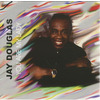
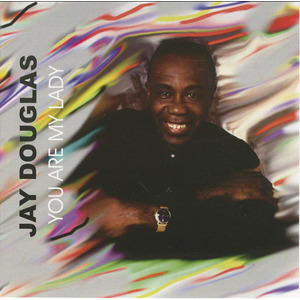
You Are My Lady (1997)
10 tracks
-
Are You Lonely for Me Baby
-
Let's Stay Together
-
You Are My Lady
-
Please Stay
-
Consider Me
-
Soul Trek
-
I Wanna Take You Home
-
Please Stay
-
Every Time You Go Away
-
Soul Trek
Discography
Featured Titles
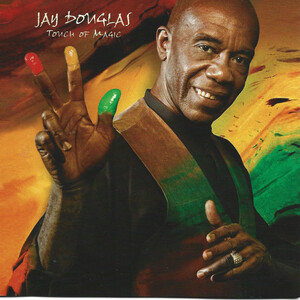
Albums
Gallery
Images
1 image
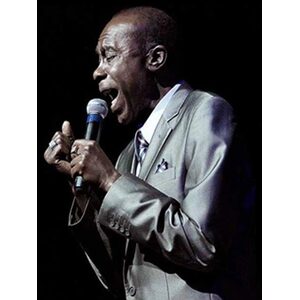
Douglas, Jay (Clive Pinnock)
Media
Videos
2 videos