Artist / Band
Alan Gerber

Biography
Alan Gerber was born May 27, 1947, in Chicago, Illinois, to a family whose roots traced back to Eastern Europe, where earlier generations had fled pogroms before settling in the United States. He was raised in a musically active household where piano and blues were constants. A Wurlitzer baby grand piano stood in the family home, and some of his earliest memories were of sitting beside his mother at the keyboard. His mother played, his father sang, and his uncles were accomplished jazz and blues pianists who encouraged him early. By the age of five he was already participating in four-handed boogie and blues sessions with them, absorbing the form at the keyboard rather than through formal instruction alone. Growing up in Chicago during the late 1950s and early 1960s placed him at the source of modern electric blues and R&B, influences that defined his playing and songwriting from the outset.
In 1963, at just fifteen, he entered the Chess orbit through Earic, a subsidiary imprint, recording a rare single as part of the duo Michael and Lee. The project evolved from his earlier teenage band, The Tools, which performed original material alongside covers at schools, parties and local clubs. Additional tracks were cut but never properly released, surviving on acetates — the first glimpse of a songwriter already blending blues grit with melodic ambition. The Earic single received airplay on Chicago powerhouse station WLS, giving him early exposure to professional recording and radio. Formal study followed at Roosevelt University in 1965, where Gerber immersed himself in classical piano under the respected Rudolf Ganz. Though encouraged toward a concert career, he was increasingly drawn to composition and contemporary forms rather than recital halls.
A chance industry introduction brought him to the attention of producer Paul Rothchild, who was assembling a high-profile Elektra Records project that became Rhinoceros. Gerber joined as singer, songwriter and keyboardist, and by 1968 the band was touring major North American venues during rock’s most combustible years. Rhinoceros released two albums on Elektra and shared stages with leading acts of the era, yet the creative direction increasingly veered toward a harder corporate rock image that clashed with Gerber’s more eccentric, lyrically pointed material. Several of his compositions were left off the albums due to label pressure to emphasize a heavier sound, and by 1969 he departed the project.
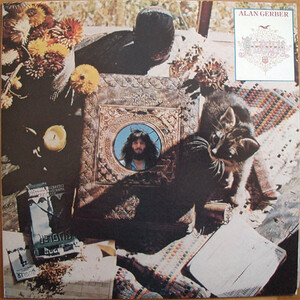
Following his departure from Rhinoceros, Gerber relocated to Northern California, performing in small clubs and rebuilding independently, often transporting his upright piano in the back of a pickup truck. His first solo statement, The Alan Gerber Album (Shelter Records, 1971), was recorded in Memphis with members of the famed rhythm section that included Duck Dunn and Al Jackson, alongside longtime collaborators such as Danny Weis and Michael Fonfara. Produced in association with Denny Cordell, the album fused blues, soul, country inflections and Gerber’s sharp observational writing. Touring followed, including dates alongside Leon Russell, but the experience reinforced his ambivalence toward major-label structures. Control of the work mattered more than scale.
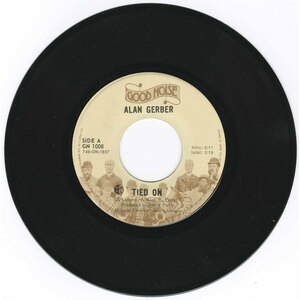
By the early 1970s his life began shifting toward Québec. Session work and contacts with producer André Perry led to the 1974 single “Tied On” on Montréal’s Good Noise label, a record that reached number one on Québec radio and established Gerber as a serious presence in the province’s live circuit. During this same period his music intersected with Bob Dylan’s Rolling Thunder Revue orbit, with two of his compositions appearing in the film Renaldo and Clara. Though not formally billed as a core member of the Revue, his inclusion in the film reflects his proximity to that artistic circle. The move north was not temporary; Montréal and the surrounding region became home, reshaping his identity from Chicago blues prodigy to cross-border artist deeply embedded in Canada’s roots landscape.
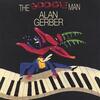
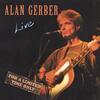
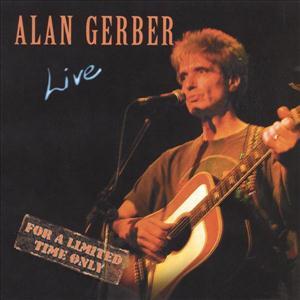
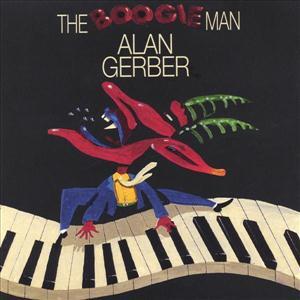
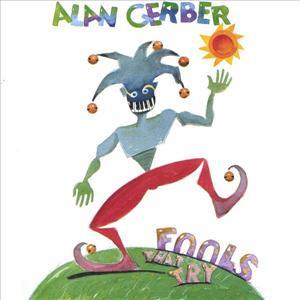
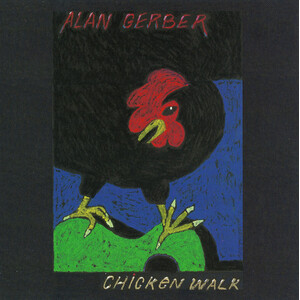
Through the late 1970s and 1980s, Gerber maintained a steady performing profile while deliberately sidestepping industry expectations. Rather than chase another major contract, he waited — and eventually chose independence. The breakthrough came in 1994 with Chicken Walk, self-produced and recorded largely on modest equipment. It marked the beginning of a prolific independent era. Fools That Try (1997) and The Boogie Man (1999) expanded the sonic palette while retaining the boogie-woogie engine and gospel-inflected vocal intensity that had defined his earliest work. Alan Gerber Live (2002) captured his one-man-band ferocity, with Gerber writing, performing, producing and engineering much of the material himself.
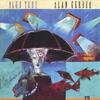
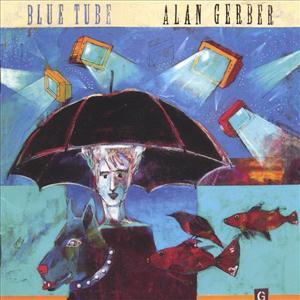
Critically praised releases such as Blue Tube (2005) confirmed that his late-career renaissance was no nostalgia act. The records balanced humour and social commentary with muscular piano work, fiddle, accordion and blues phrasing that drew equally from Chicago tradition and Montréal cosmopolitanism. Later projects, remasters and collaborations — including recordings with Burdened Beast — showed a songwriter still circling the themes that had followed him since adolescence: money and morality, love and consequence, spiritual reckoning beneath barroom laughter.
Over decades, Gerber has appeared at major festivals including the Montréal International Jazz Festival and the Ottawa Blues Festival, but the scale of the stage has never altered the core presentation. His performances remain raw, theatrical and intimate at once — pounding left-hand boogie figures, sudden violin flourishes, wry asides between songs, and a refusal to smooth the edges for comfort.
-Robert Williston
Tracks
140 tracks
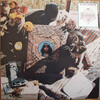
The Alan Gerber Album (1971)
Showing 10 of 12 tracks
-
Sigmund's Blues
-
Lucinda
-
Along Comes Tomorrow
-
Ballad of Dundee
-
Fishing Again
-
Big Bad Momma
-
Jaffe's Lament
-
She Said, He Said
-
Henry the Hog Farmer
-
To Grow
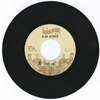
Tied On b/w Tied On (1974)
1 track
-
Tied On
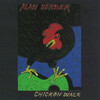
Chicken Walk (1994)
Showing 10 of 12 tracks
-
Solid Ground
-
Lucinda
-
Fishing Again
-
Only the Blues
-
Hold On
-
Say Wah?
-
Five & Dime
-
Quick Service
-
Big Bad Mama
-
Minstrel Blues
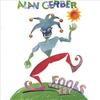
Fools That Try (1997)
Showing 10 of 12 tracks
-
White Lightnin' Blues
-
Stay at Home
-
Henry the Hog Farmer
-
Party Goin' On
-
Believe
-
Sweet Micheline
-
66 Chevy
-
Above the Blue
-
Corina
-
Hard Times
The Boogie Man (1999)
Showing 10 of 13 tracks
-
Fall for Me
-
Keys to Paradise
-
My Situation
-
Boogie Man
-
Peace of Mind
-
Bye Bye Baby Blues
-
Take Me In
-
Y'all I need
-
Glad Dead
-
Work to Do
Live for a Limited Time Only (2002)
Showing 10 of 14 tracks
-
Above the Blue
-
Should be Happy
-
Bar Room Blues
-
Bad But Not Too Bad
-
Lucinda
-
Slidewinder
-
Sin to Take Life
-
Sweet Micheline
-
Happy Now
-
Me and My Dog
Blue Tube (2005)
Showing 10 of 14 tracks
-
Bad Boy
-
Piece of the Pie
-
Get High
-
Lunenburg County
-
Blue Tube
-
She Said He Said
-
Letting Go
-
Roll On
-
Stuck On You
-
Embarrassed

Queen of Hearts (2009)
Showing 10 of 13 tracks
-
Doodah
-
The Animals Are Acting Strange
-
Feed Myself
-
Engagement Song
-
Fashion Reaction
-
Tears of Yesterday
-
Queen of Hearts
-
Dog Dog
-
Uncle Boogie
-
Waiting for You

Just a Slice (2014)
10 tracks
-
Boogie Man
-
Y'all I Need
-
Should be Happy
-
The Pain and the Wine
-
Take Me In
-
The Keys to Paradise
-
Tied On
-
Ballin' the Jack
-
Dyin' Bed
-
Corina
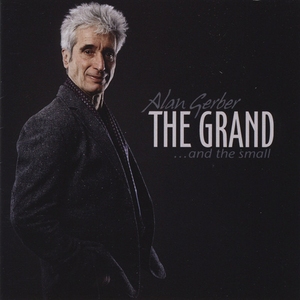
The Grand ...And The Small (2014)
Showing 10 of 14 tracks
-
Zombie Nation
-
Should be Happy
-
Flow Along
-
Leave Your Old Fish at Home
-
Gordian Knot
-
Believe
-
Funky Knees
-
Bonehead Stew
-
Made That Way
-
Tied On
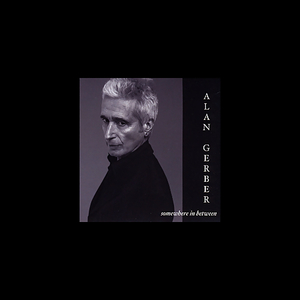
Somewhere In Between (2018)
Showing 10 of 13 tracks
-
Four Riders
-
Catfish in the Hole
-
Village of the Damned
-
Silk Stockings
-
Hard Times at Your Door
-
Candy Red Cadillac Ride
-
No Need to Hide
-
Naked Man
-
Bird Man
-
Dear Old Friend
Money Can't Save You (2020)
1 track
-
Money Can't Save You
Groundcover (2023)
Showing 10 of 11 tracks
-
Ballin' the Jack
-
Help
-
Corinna
-
Wild Thing
-
Great Balls of Fire
-
Darlin' Cory
-
I Shall Be Released
-
Love in Vain
-
Goodnight Irene
-
Hurt
Discography
Featured Titles



Albums
Singles
Gallery
Images
1 image

Gerber, Alan
Media
Videos
0 videos
No videos available for this artist.