Artist / Band
Sucking Chest Wound
Biography
Sucking Chest Wound were a Canadian experimental cassette, video and performance collective formed in Waterloo, Ontario in the winter of 1982-83 by PnrH and Jeff-0. Built from industrial noise, tape manipulation, punk fragments, dub, funk, disco and art-school absurdity, SCW developed into one of the stranger and more ambitious projects to move from the Waterloo underground into Toronto’s Queen Street West performance scene.
By 1984 the group’s first stable lineup of PnrH, Jeff-0, Roba and dWM was working out of a house on Willow St. in Waterloo, where the basement became a rehearsal room, recording space and sound laboratory. Their early equipment was crude but flexible: cassette decks, a Fostex 4-track, Roland drum machines and synths, junk percussion, tapes, feedback and whatever else could be forced into service. Access to the University of Waterloo’s electronic music studio also gave the group time with a Roland Juno-60, E-mu Drumulator and Moog modular synthesizer, parts of which fed into their first cassette release.
Their 1984 debut cassette Arbeit Macht Frei was a 90-minute collage of more than 30 pieces, moving through industrial post-punk, primitive electronic sequencing, found audio, dub, disco mutations and tape experiments. A second cassette, Model 152 Blow Gun, followed in 1985, mixing new studio material with live recordings from an April 17, 1985 performance at Level 21 in Kitchener, where the group appeared as Sweet Children of the West. After relocating to Toronto in 1985-86, SCW released A Collection, drawing from the first two tapes and earlier live material.
In Toronto, SCW changed shape again. The group moved away from the free improvisation approach of its early performances and, by 1987, had developed a new live identity built around a chaotic disco-funk-punk-jazz sound. Guitarist Scott “Skill” Casey joined for live shows, and the band’s performances became increasingly theatrical, folding music into costumes, DJs, MCs, prepared video, slide projection, gallery events and Queen Street West party culture. Their annual New Year’s shows at ARC and other Toronto spaces placed the group somewhere between underground band, art collective and multimedia prank.
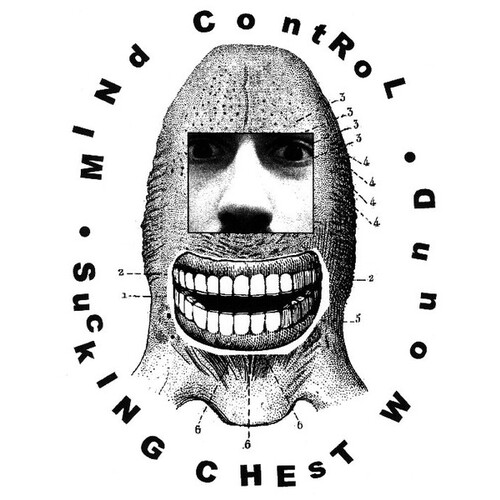
SCW’s visual world was as important as its music. PnrH designed posters, cassette artwork and packaging, while Cathie Whittaker created the group’s costumes and stage wear, including the silver lamé jackets, robes, fezzes and the “Who Shot the Pope?” hats later used in performance. The group’s extended circle included video artists, DJs, designers, engineers and performers such as Karen Young / DJ FunKY, Michelle Geister / DJ Force MG, Geoff Hendry / GBH, Charles “Militant” Doubt, Bruce Becker and Catherine Willson. Through those collaborations, SCW’s work moved well beyond conventional band presentation and into handmade video, early computer graphics, cassette packaging, live processing and performance installation.
Their most ambitious project was God Family Country, first performed on November 9, 1989 at Toronto’s Music Gallery as part of the 20th Century and how to leave it series curated by Myke Dyer. Built around the three themes of God, Family and Country, the show combined taped introductions by Charles “Militant” Doubt, CGI animated sequences, pre-recorded video, live Amiga processing by Bruce Becker and Catherine Willson, and sequenced and improvised music by SCW. The band performed from the back of a darkened hall while the processed video became the centre of the show.
Although the original video recording of the Music Gallery performance was lost before it began, a live audio recording survived. SCW later rebuilt the project as a deluxe three-cassette package in December 1990, using repurposed plastic fold-out cassette cases originally found at Toronto’s Active Surplus. God Family Country was then issued on CD by Toronto label Death of Vinyl in 1992, adding The Pope is a Hustler, a live reinterpretation of Who Shot the Pope? recorded at Foufounes Electriques in Montreal in August 1991.
Sucking Chest Wound remained active into the 1990s, leaving behind a body of work that sits between industrial cassette culture, post-punk, live funk chaos, experimental video and multimedia performance. Their archive captures a distinctly Canadian underground path: from Waterloo basements and university electronic music studios to Toronto’s Queen Street West galleries, The Music Gallery, Amiga-era video processing and the strange outer edges of cassette-era performance art.
-Robert Williston
Tracks
0 tracks
No tracks available for this artist.
Discography
Albums

Gallery
Images
1 image
Sucking Chest Wound
Media
Videos
0 videos
No videos available for this artist.