Artist / Band
Painter
Biography
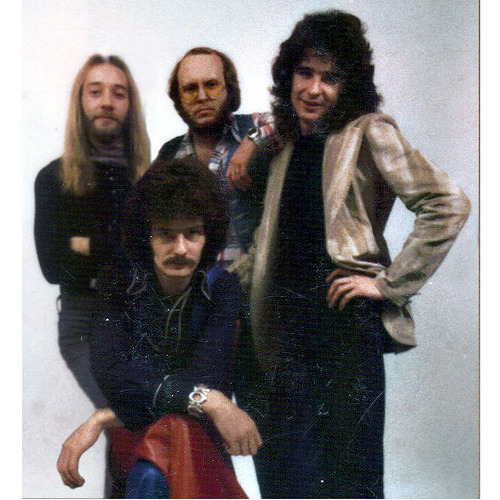
Painter emerged in 1970 from the last working lineup of Calgary’s 49th Parallel, a band that had spent four years pushing Prairie rock into the national conversation. When 49th Parallel dissolved at the start of the decade, guitarist–producer Dan Lowe and vocalist Doran Beattie chose not to abandon the momentum they had built. Instead, they regrouped in Edmonton, adding bassist Royden Morice and drummer Bob “Herb” Ego (fresh from Witness Inc) and began refining a leaner, more contemporary direction that moved beyond garage-psych toward tightly structured rock with strong melodic focus. The Alberta bar circuit became their proving ground, where the band forged a disciplined sound built around Lowe’s inventive guitar work, Beattie’s clear pop-rock tenor, and a rhythm section that grew increasingly formidable.
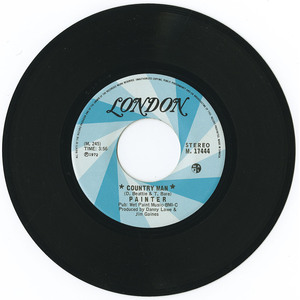
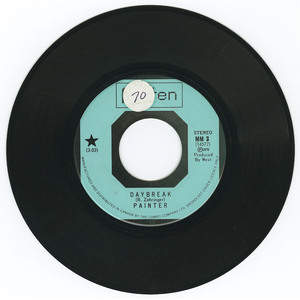
By late 1971 Painter had attracted the interest of London Records, which brought them to Wally Heider Studios in San Francisco—a premier early-70s recording hub. Their debut single, ‘Country Man,’ appeared that year, followed by ‘Daybreak’ through Randy Bachman’s Molten Records imprint. Neither record charted widely, but both captured a band shedding its psychedelic skin and moving confidently toward the harder, more radio-ready sound that would soon define them.
A pivotal shift arrived when the band based themselves in Seattle and added Barry Allen—well known for his work with Wes Dakus & The Rebels—as second guitarist and studio-seasoned arranger. Allen’s presence sharpened the band’s arrangements and elevated their vocal blend, while the move to Seattle connected Painter to a larger, more active industry network. Manager Bob Zimmerman soon guided them to a deal with Elektra Records, and the group began work at both Wally Heider and Kaye-Smith Studios with engineer Jim Gaines, then at the beginning of a career that would later include sessions with Steve Miller, Santana, Tower of Power and Stevie Ray Vaughan.
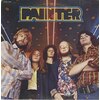
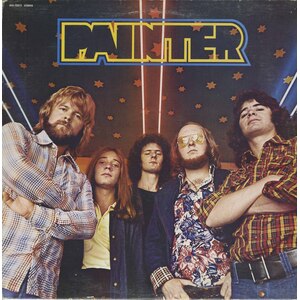
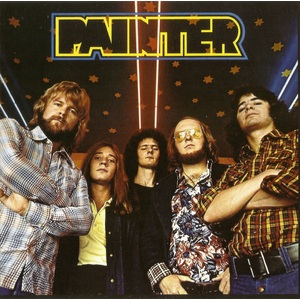
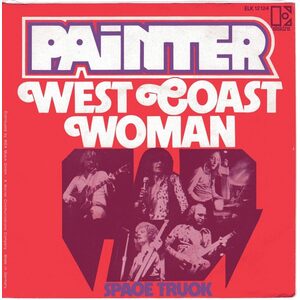
Painter’s self-titled album appeared in 1973. Its lead single, ‘West Coast Woman’—written by Lowe and Beattie shortly after relocating—quickly became their breakthrough. The track gained heavy regional airplay in Seattle, Atlanta and Houston, earned rotation on Dick Clark’s American Bandstand, and climbed to #16 nationally on the RPM charts in Canada. Backed by Elektra’s U.S. promotion team, the band toured extensively, including dates at the Whisky a Go Go in Los Angeles and support slots with Steely Dan, Canned Heat, Rod Stewart, Bob Seger, Jethro Tull and even early Kiss.
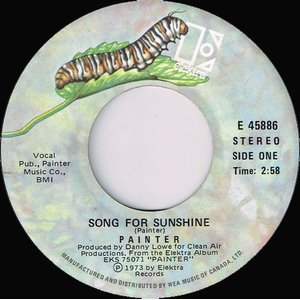
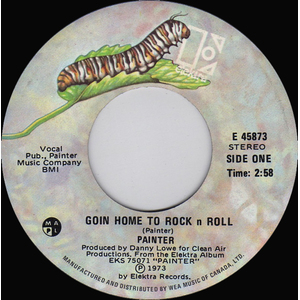
Despite the clear potential, Painter struggled to maintain momentum. Follow-up singles in 1974—‘Goin’ Home to Rock’ and ‘Song for Sunshine’—received modest airplay but failed to match the impact of ‘West Coast Woman.’ Elektra’s internal restructuring further limited promotional support. Allen departed, touring pressure mounted, and by late 1974 the group accepted that the Painter chapter had reached its natural endpoint.
Rather than dissolve, Lowe, Beattie, Morice and Ego regrouped with a heavier sound and a new identity: Hammersmith, which signed with Mercury and released two albums between 1975 and 1977. Their creative partnership continued across later projects including 451, Prototype and various studio collaborations.
Lowe went on to international prominence as the creator of Q-Sound, the 3-D spatial audio system used by Madonna, Sting, Pink Floyd and countless others. Beattie later fronted All the Rage in Paris and pursued a solo career; Ego joined Streetheart and became a Juno-winning studio drummer; Morice remained an in-demand bassist throughout Western Canada.
Today Painter stands as a key bridge between two eras of Alberta rock: the independent spirit of 49th Parallel and the FM-radio sheen of Hammersmith. Their lone album remains prized for its musicianship, its crisp production and its snapshot of a Western Canadian band stepping confidently into the North American mainstream.
-Robert Williston
Painter – Lineups
Lineup (1970)
Dan Lowe: guitar
Doran Beattie: lead vocals
Alf Cook: bass
Paul Burton: drums
Lineup (late 1970 – early 1971)
Dan Lowe: guitar
Doran Beattie: lead vocals
Alf Cook: bass
Terry Bare: drums
Lineup (1971 – early 1973)
Dan Lowe: guitar
Doran Beattie: lead vocals
Royden “Wayne” Morice: bass
Bob “Herb” Ego: drums
Lineup (early 1973 – late 1974)
Dan Lowe: guitar
Doran Beattie: lead vocals
Royden “Wayne” Morice: bass
Bob “Herb” Ego: drums
Barry Allen: guitar, backing vocals
Lineup (late 1974 – early 1975)
Dan Lowe: guitar
Doran Beattie: lead vocals
Royden “Wayne” Morice: bass
Bob “Herb” Ego: drums
Brad Steckel: guitar
Lineup (1975)
Dan Lowe: guitar
Doran Beattie: lead vocals
Royden “Wayne” Morice: bass
Bob “Herb” Ego: drums
Jeff Boyne: guitar
Tracks
15 tracks
-
Daybreak
-
I Do the Best I Can
-
Country Man
-
Lost the Sun
-
West Coast Woman
-
Tell Me Why
-
Song for Sunshine
-
Goin' Home to Rock n Roll
-
Space Truck
-
Kites and Guiders
-
Oh! You
-
Slave Driver
-
For You
-
Crazy Feeling
Discography
Featured Titles
Albums
Singles
Gallery
Images
9 images
View All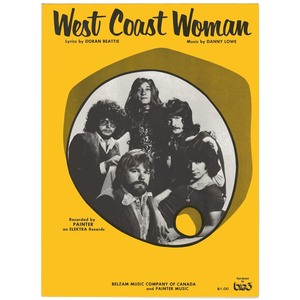
“West Coast Woman” – published sheet music, 1973
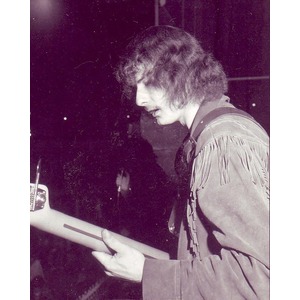
Wayne Morice, bassist, concert at McMahon Stadium, Calgary, 1971
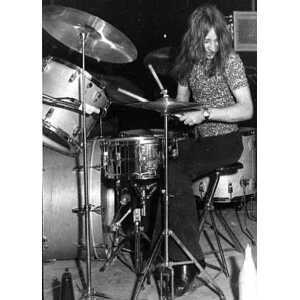
Bob Ego, drummer
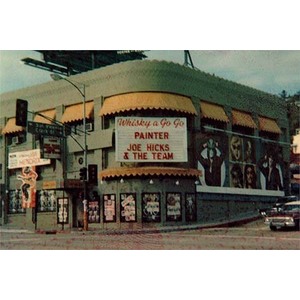
Marquee of Whisky A-Go-Go, Los Angeles, January 1974
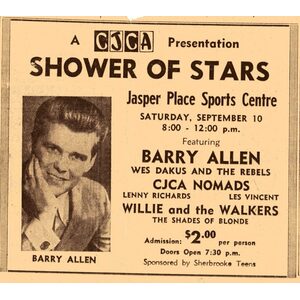
Advertisement for Barry Allen concert, Edmonton Journal, September 1966
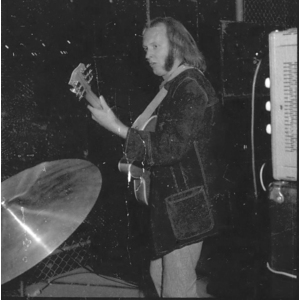
Dan Lowe, guitarist, concert at McMahon Stadium, Calgary, 1971
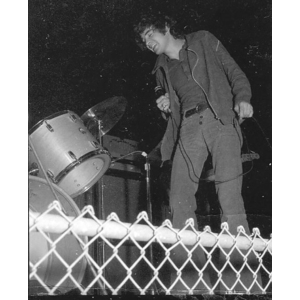
Doran Beattie, lead singer, concert at McMahon Stadium, Calgary, 1971
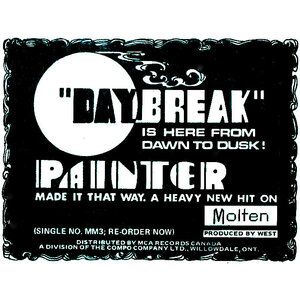
Advertisement for “Daybreak” – first 45 rpm single by Painter, R.P.M. Magazine, August 1970
Media
Videos
0 videos
No videos available for this artist.