Artist / Band
Octobre
Biography
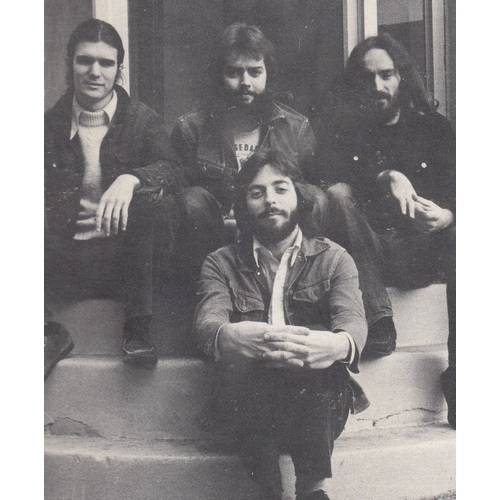
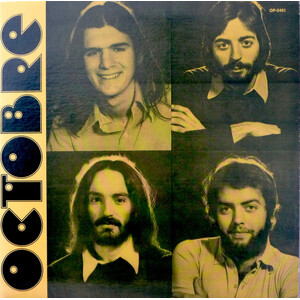
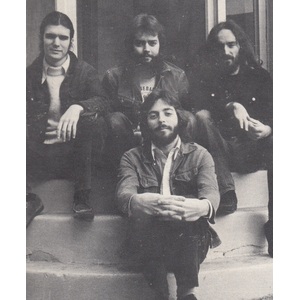
Octobre were one of the most accomplished and quietly influential progressive rock groups to emerge from Québec in the 1970s. Formed in Montréal in the early part of the decade, the band brought together childhood friends Pierre Flynn (keyboards, vocals), Jean Dorais (guitar), Mario Légaré (bass), and Pierre Hébert (drums), all of whom shared a deep interest in jazz harmony, classical structure, and contemporary rock. Singing exclusively in French at a time when many progressive acts were opting for English, Octobre carved out a distinctive identity rooted in Québec culture while remaining musically adventurous.
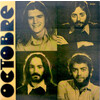
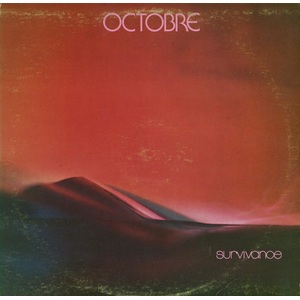
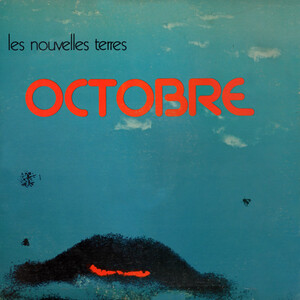
The group’s early recordings established a sophisticated blend of progressive rock and jazz-rock, marked by complex arrangements, shifting time signatures, and Flynn’s literate, socially aware songwriting. Their self-titled debut and the follow-up Les nouvelles terres (1974) positioned Octobre as peers to the era’s leading Québec progressive acts, though their sound was often more angular and urban. With Survivance (1975), released on the Trans-World International label, the band sharpened its musical focus while retaining an exploratory edge, expanding their palette with richer vocal harmonies and more concise compositions.
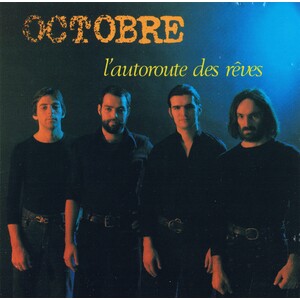
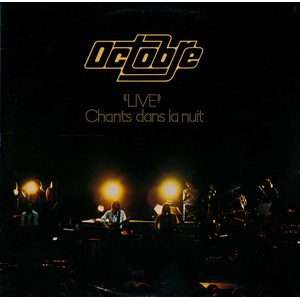
Octobre reached a creative peak in the mid-to-late 1970s. L’autoroute des rêves (1977), released on CBS, showcased a broadened sonic scope that incorporated orchestration and expanded ensemble arrangements, reflecting both the band’s musical ambitions and the era’s willingness to support large-scale productions. That same period was documented on the double live album Live: Chants dans la nuit (1978), recorded at Montréal’s Théâtre Saint-Denis, which captured Octobre as a powerful live unit capable of navigating long-form compositions with precision and intensity.
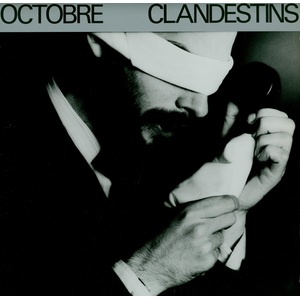
The band’s final studio album, Clandestins (1981), marked a subtle stylistic shift. While still grounded in progressive structures, the material reflected a more contemporary sensibility, with tighter songs and updated textures that mirrored the changing musical climate of the early 1980s. Shortly after its release, Octobre disbanded, bringing an end to a body of work that had consistently balanced artistic ambition with emotional depth.
Although Octobre never achieved the mass popularity of some of their Québec contemporaries, their legacy has endured among listeners, musicians, and collectors. Their albums remain respected examples of francophone progressive rock, notable for their musicianship, thoughtful lyrics, and refusal to compromise artistic identity. Today, Octobre are recognized as an essential chapter in Canada’s 1970s progressive music story, bridging jazz, rock, and Québec chanson with uncommon discipline and vision.
-Robert Williston
Tracks
38 tracks
-
Si on partait
-
Ça prend presque rien
-
Dans ma ville
-
Les vivants
-
Viens vivre
-
Au fond de tes yeux
-
Bonjour
-
La maudite machine
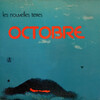
les nouvelles terres (1974)
9 tracks
-
Les nouvelles terres
-
Le chant du guerrier
-
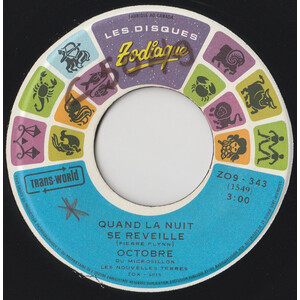
Quand la nuit se reveille
-
Ma chanson
-
Violence
-
La passe du grand flambeau
-
Li est deja tard
-
Voyage en mer
-
Génération
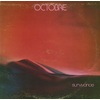
Survivance (1975)
8 tracks
-
Tendre Torture
-
Cet Instant
-
La valse à onze temps
-
En famille
-
Baptème de l'air
-
Tu t'en vas encore ce soir
-
L'oiseau rouge
-
Survivance
l'autoroute des rêves (1977)
6 tracks
-
Le vent se leve
-
Insurrection
-
L'autoroute des reves
-
La prochaine decennie
-
Sud profond
-
Le grand depart
Clandestins (1981)
7 tracks
-
Pour te retrouver
-
Clandestins
-
L'imposteur
-
Je veux rouler
-
Prière d’asphalte
-
L’imaginoir
-
Le bout de la ligne
Discography
Featured Titles
Albums
Singles
Compilation Tracks
Gallery
Images
1 image
Octobre
Media
Videos
0 videos
No videos available for this artist.